
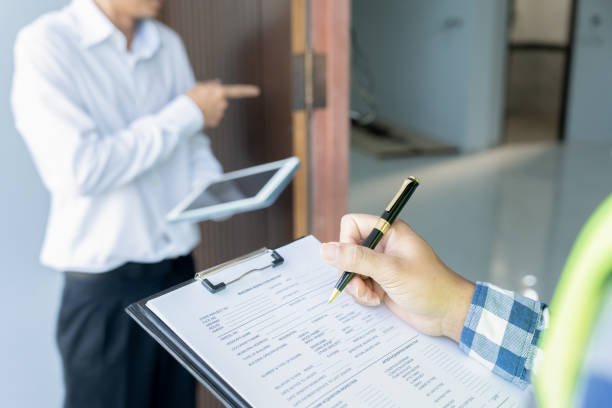
An apartment may look perfect during a quick viewing, but small problems can become frustrating once you move in.
A careful apartment inspection gives you a chance to check the condition of the unit, understand how it functions, and identify questions that should be answered before you sign a lease.
The goal is not to look for perfection. It is to make sure you know what you are agreeing to rent and whether the apartment suits your everyday needs.
Check the Apartment Room by Room
Walking through the unit in a fixed order helps you avoid missing important details. Start near the entrance and inspect each room rather than relying on the overall appearance.
1. Test Doors, Locks, and Windows
Open and close every accessible door and window. Check that locks work properly and that doors do not stick, scrape the floor, or fail to close fully.
Windows should open and close as intended. Look at the frames for visible damage, gaps, or signs that water has entered around them.
2. Look Closely at Walls, Floors, and Ceilings
Fresh paint can make an apartment look clean, but take time to inspect the surfaces underneath. Look for cracks, stains, damaged flooring, loose tiles, or areas that appear recently patched.
If you are comparing Calgary apartments for rent, documenting the visible condition of each unit can make it easier to distinguish cosmetic issues from problems you may want the landlord to address before move-in.
Photographs taken with permission can also help you remember which unit had which condition when comparing several properties.
3. Check for Signs of Moisture
Pay particular attention to bathrooms, kitchens, windows, and areas below sinks. Look for water stains, peeling material, warped surfaces, or persistent damp smells.
Do not assume a stain is harmless. Ask what caused it, whether the source was repaired, and whether any affected material was replaced.
Test the Fixtures You Will Use Every Day
An apartment viewing should include more than looking at rooms. Testing basic fixtures can reveal problems that are easy to miss during a short tour.
4. Run the Faucets and Check Water Pressure
Turn on kitchen and bathroom faucets. Check both hot and cold water where possible, and notice whether water drains normally from sinks and tubs.
Flush the toilet and watch for leaks around its base or tank. If drainage seems unusually slow, ask whether maintenance has inspected it.
5. Inspect Appliances
If appliances are included with the rental, check their visible condition and ask whether they are working.
Look inside the refrigerator, oven, dishwasher, washer, or dryer when applicable. You should also ask which appliances are included in the lease so there is no confusion later.
6. Test Lights and Electrical Outlets
Turn on light switches throughout the apartment. Bring a small phone charger if appropriate and test a few accessible outlets during the viewing.
When comparing apartments for rent, it is worth noting where electrical outlets are located. A room may have enough space for your furniture but still be awkward if outlets do not suit your desk, television, lamps, or other everyday equipment.
Inspect More Than the Apartment Interior
The condition of the unit matters, but so does the building around it. Common areas and building systems can affect convenience, noise, security, and daily routines.
7. Listen for Noise
Spend a few quiet moments inside the apartment. Listen for traffic, neighbouring units, lifts, mechanical equipment, hallways, or nearby construction.
Noise can vary by time of day, so a daytime viewing may not fully represent evenings or weekends. Ask about the building layout and consider returning to the area at another reasonable time before deciding.
8. Check Storage and Parking Arrangements
Do not assume advertised storage or parking is included automatically. Ask whether the apartment comes with a specific parking space, locker, bicycle area, or other storage.
Check whether the available storage can actually accommodate what you own. Limited closet space can become a daily inconvenience even when the rest of the apartment feels spacious.
9. Review Shared Areas and Entry Points
Walk through the lobby, hallways, laundry room, parking area, and other shared spaces you are allowed to inspect.
Check how residents enter the building, how visitors gain access, and how deliveries or packages are handled. These details often matter more after moving in than they do during the first viewing.
Confirm the Details Before Signing
The final inspection step is making sure the condition you saw matches the agreement you are about to sign.
10. Document Problems and Ask What Will Be Fixed
Write down any damage or maintenance concerns you notice. Ask which issues will be repaired before move-in and, when appropriate, have agreed repairs documented in writing.
Read the lease carefully and check details such as rent, included utilities, parking, pet rules, maintenance responsibilities, and move-in procedures. If something discussed during the viewing does not appear in the agreement, ask about it before signing.
Conclusion
A good apartment inspection is less about finding faults and more about understanding exactly what you are renting. Testing fixtures, checking surfaces, listening for noise, reviewing shared areas, and documenting existing issues can help you make a more informed decision.
Taking a little extra time before signing a lease can prevent misunderstandings later and help you choose an apartment that works well for your daily routine.
