Across the United States, riders invest heavily in bikes and accessories. Many assume basic coverage will protect them, only to learn that gaps in traditional insurance leave them exposed. These risks grow in active cycling communities. Whether commuting through downtown streets or exploring long-distance trails, recognizing financial vulnerabilities early protects both your budget and your peace of mind.
The True Cost of Bicycle Theft
Bicycle theft remains one of the most common risks for cyclists nationwide. Thousands of bikes disappear every year in cities and suburbs alike, and the financial impact extends far beyond the frame itself. Many riders lose accessories such as GPS units, lights, racks, tools, or panniers that can double the total value of a stolen bike. This is where the financial impact of bike theft becomes even clearer, as these added losses often exceed what riders expect when evaluating their total risk.
The biggest surprise for most cyclists is that standard insurance rarely replaces a stolen bike at full value. Homeowners and renters policies often apply low limits for sporting equipment and may only cover part of the cost. Many policies calculate payouts using depreciated value, which can be far below the current replacement price. A bike that costs several thousand dollars can receive a payout equal to a used, lower-grade model, leaving the rider to cover the difference.
Theft risk is especially high near transit hubs, shopping districts, and university campuses. Even in well-lit areas, bikes locked for long periods attract attention from thieves who know what components to target. Some riders use multiple locks or GPS trackers, but documentation remains essential. Keeping receipts, serial numbers, and detailed photos helps streamline claims and increases the chance of recovering a stolen bike.
Medical Expenses Beyond Health Insurance
Even careful cyclists face the possibility of accidents, and medical costs can rise quickly. Health insurance helps, but many riders underestimate the out-of-pocket expenses that follow an injury. Emergency care may be covered, yet the financial strain usually continues long after the initial hospital visit.
Recovery often requires physical therapy, imaging tests, follow-up appointments, and medications. Dental damage from a fall can add unexpected bills. If the injury affects daily movement or work capacity, the loss extends beyond medical fees. Self-employed cyclists are particularly vulnerable when an accident limits their ability to work.
Some riders take extra steps to strengthen their financial safety net by adding layers of coverage. Those who frequently ride in unfamiliar terrain, commute daily, or travel with their bikes sometimes rely on supplemental options such as colorado bicycle insurance to manage gaps in traditional plans. This becomes valuable when medical limits are reached or when specialized coverage provides better protection for cycling-related incidents.
Liability Exposure When Cycling
Liability is one of the most overlooked risks for cyclists. Many riders don’t realize they can be held financially responsible if they cause an accident that injures a pedestrian, another cyclist, or damages personal property. Even minor collisions can lead to large compensation claims, and serious accidents may involve long-term costs that exceed standard coverage limits.
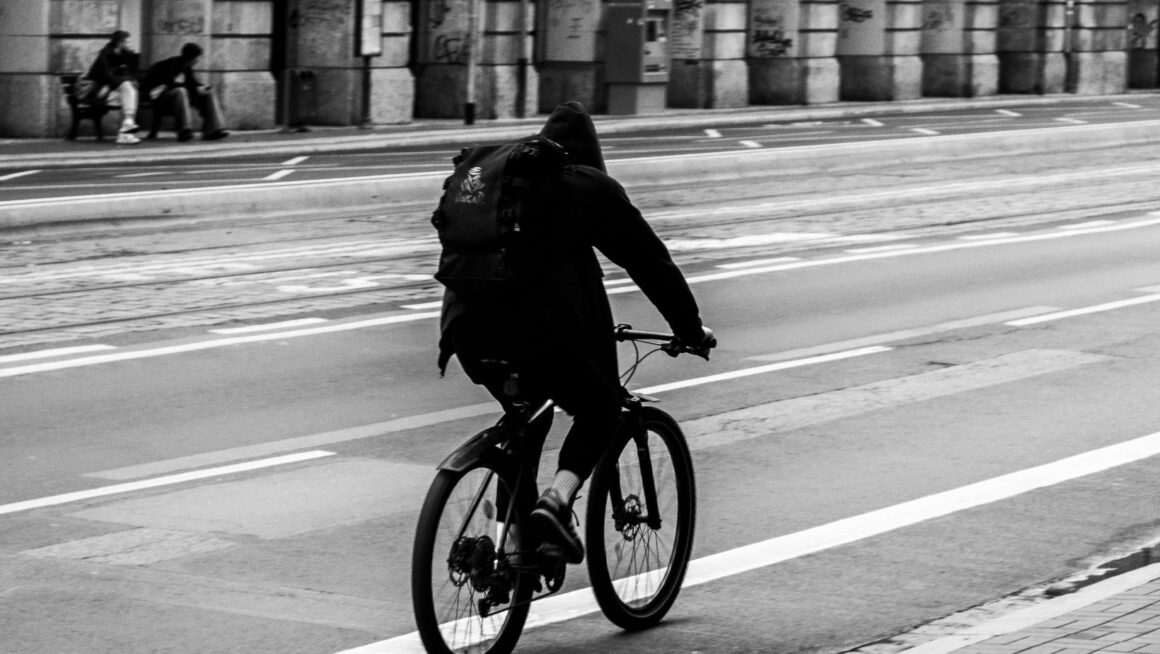
Most homeowners or renters policies include some liability protection, but coverage is often limited and may exclude cycling-related incidents under certain conditions. Auto insurance typically does not apply when riding a bicycle, leaving cyclists exposed without realizing it. If a rider is found at fault and damages exceed policy limits, personal assets may be used to cover the remaining amount.
Court-ordered judgments or settlements can affect savings accounts, investments, or even future earnings. This is why experienced cyclists review their liability coverage and ensure it aligns with real-world risks. Riding in crowded urban areas, participating in group rides, or navigating shared-use paths increases interactions where liability becomes relevant.
Protecting High-Value Equipment
Modern bicycles include specialized components, electronic systems, and lightweight materials that significantly increase value. Riders who invest in carbon frames, power meters, aerodynamic wheels, or electric-assist systems often discover that standard policies do not provide adequate protection.
Depreciation is a major issue. Insurers evaluate the current value of equipment rather than its purchase price, which reduces payouts when filing a claim. A bike that cost four thousand dollars two years ago may be valued at half that amount during an insurance review, even if it remains in excellent condition.
Replacement limits for accessories present another challenge. Components such as helmets, pedals, cycling computers, lighting systems, and other essential cycling safety gear may not be fully covered unless specifically listed.
Technology helps, but only to a point. GPS trackers increase the chance of recovering stolen bikes, while secure storage solutions reduce risk at home or work. Still, having layered coverage that matches the value of the bike and its components remains the most reliable way to avoid heavy expenses after a loss.
Understanding the Broader Financial Picture
Cyclists often think about risk in terms of physical safety, yet the financial dimension can be just as impactful. A single incident involving theft, injury, or liability can create long-term financial strain. These costs accumulate quickly for riders who use their bikes daily or travel with expensive equipment.
Awareness is the first step. Riders who regularly review their financial risks are better prepared for unexpected situations. This includes understanding insurance terms, checking coverage limits, and confirming whether cycling-specific incidents qualify for reimbursement. Documentation also plays a central role. Saving receipts, tracking component upgrades, and maintaining current photos helps support claims when needed. Riders who stay aware of broader cycling safety considerations are better prepared for the financial impact of unexpected incidents.
Practical Steps to Strengthen Financial Protection
Proactive security measures remain essential. Quality locks, secure storage areas, and mindful parking habits reduce theft risk. Regular bike maintenance helps prevent mechanical failures that could lead to accidents. When combined with clear financial planning, these efforts build a practical foundation for safer and more confident riding.
Cycling brings joy, freedom, and daily convenience, but hidden financial risks deserve as much attention as safety gear and route choices. Theft, medical expenses, liability claims, and equipment losses can strain any cyclist’s budget, especially when traditional insurance falls short. These pressures grow alongside the broader economic impact of cycling as more riders invest in high-value equipment and depend on their bikes for transportation.
Taking time to understand these risks empowers riders to make informed decisions. Reviewing policy details, updating documentation, strengthening security habits, and considering supplemental protection help ensure that financial surprises don’t overshadow the benefits of cycling. Riders who invest in high-value bikes or spend significant time on the road often benefit from coverage designed specifically for cycling-related incidents.
By staying proactive and informed, cyclists protect both their equipment and their long-term financial stability. With the right preparation, every ride becomes safer, smarter, and more secure on the road, on the trail, and in your finances.