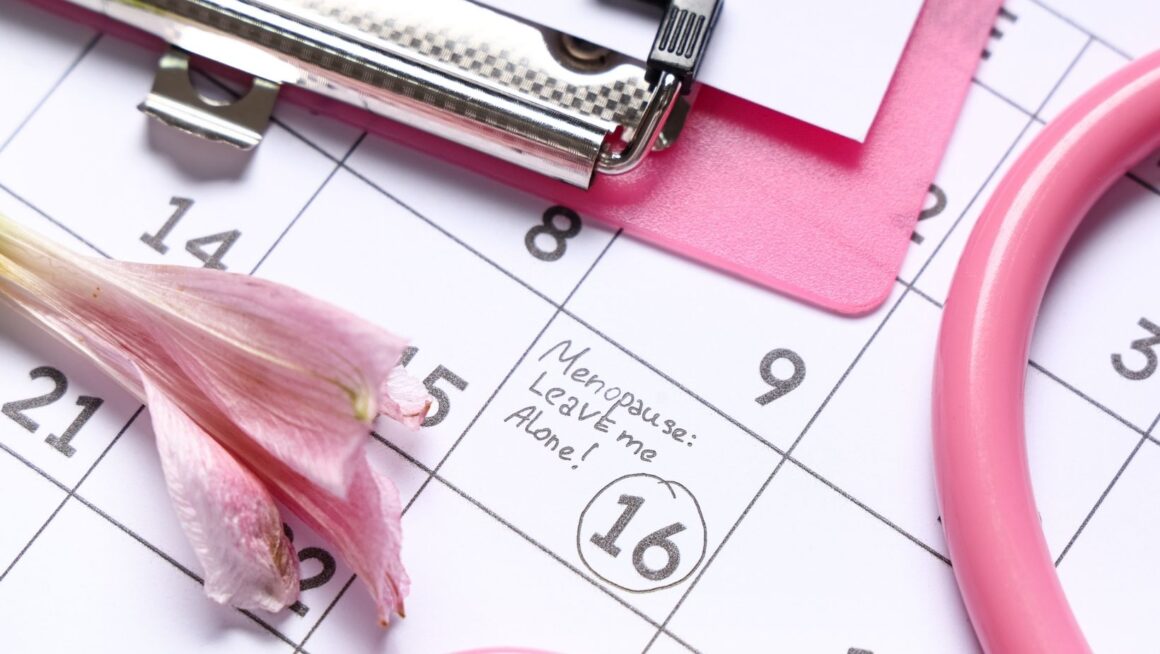
If you’ve already crossed it off mentally and are now seeing things like womens vitamins pop up in your searches, you’re probably wondering whether something new is happening or if menopause is somehow making a comeback.
The answer is yes, it is absolutely possible to have menopause-related symptoms in your 60s. Menopause isn’t a single moment in time. It’s a hormonal shift with long-lasting effects.
Menopause Is a Transition, Not a Switch
Menopause is officially defined as 12 consecutive months without a period, but that definition doesn’t capture what actually happens in the body. Hormonal changes begin years before that milestone and continue long after it.
Estrogen doesn’t simply stabilize once periods stop. For many women, levels remain lower and can fluctuate for years. Those changes continue to influence temperature regulation, sleep, mood, and energy well into the postmenopausal years. This is why symptoms don’t always follow a neat timeline.
Postmenopause Still Comes With Hormonal Effects
The years after menopause are called postmenopause, but that doesn’t mean hormones stop mattering. Lower estrogen continues to affect how the brain, nervous system, and metabolism function.
Hot flashes and night sweats can persist for years, and in some cases, they reappear after a quiet stretch. Sleep disturbances, anxiety, and brain fog can also surface or intensify later on. These symptoms can feel unexpected, but they’re not unusual.
Aging and Menopause Symptoms Can Overlap
One reason menopause symptoms in your 60s can feel confusing is that they overlap with normal aging changes. Sleep patterns shift, stress tolerance changes, and recovery slows with age.
When these changes intersect with low estrogen, symptoms can feel amplified. It’s not always easy to tell where one ends and the other begins. That overlap doesn’t mean something is wrong. It means your body is adapting to multiple changes at once.
Stress Still Influences Symptoms Later in Life
Stress doesn’t stop affecting hormones after menopause. Chronic stress can exacerbate hot flashes, disrupt sleep, and increase anxiety at any age.
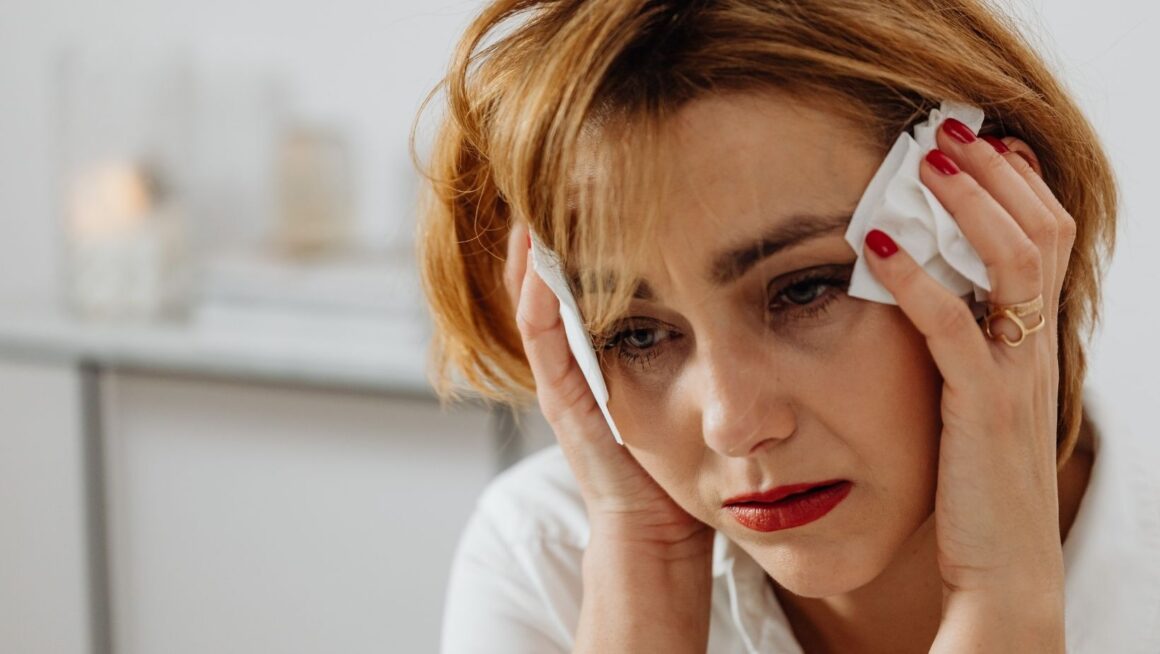
Life in your 60s often comes with its own stressors. Health changes, caregiving responsibilities, retirement transitions, or shifts in identity can all affect the nervous system. When stress hormones rise, menopause-related symptoms often become more noticeable again.
Why Do Symptoms Reappear After Years of Calm?
Some women experience a long symptom-free period after menopause, only to have issues resurface later. This can be triggered by illness, weight changes, medication adjustments, or major life stress.
Hormonal balance is influenced by the whole body, not just the ovaries. Changes in overall health can affect how symptoms show up. Reappearance doesn’t mean menopause restarted. It means your system is responding to new inputs.
When To Rule Out Other Causes
While menopause symptoms in your 60s are possible, it’s still important not to assume everything is hormonal. Thyroid issues, sleep disorders, anxiety, and certain medications can mimic menopause symptoms.
If symptoms are new, severe, or changing quickly, checking in with a healthcare provider is a good idea. Getting clarity can be reassuring and help rule out other causes.
Menopause explains a lot, but it shouldn’t be the only explanation considered.
Why Menopause Education Often Ends Too Early
Most menopause conversations focus on perimenopause and the final period. Postmenopause gets far less attention, even though it can last decades.
This gap leaves many women feeling unprepared when symptoms continue or return later in life. Awareness often lags behind lived experience. More open conversations are helping shift that narrative, but there’s still ground to cover.
What Support Looks Like in Your 60s
Supporting your body in your 60s often looks different from how it did earlier. Sleep quality, stress management, movement, and nutrition become even more important.
The goal isn’t to chase your pre-menopause body, but to support the one you’re in now. Understanding that symptoms can still be hormone-related helps you make informed choices rather than feeling blindsided. Adaptation, not denial, tends to bring the most relief.
Thriving in Your Golden Years
Menopause doesn’t end at a certain birthday. Its effects can linger, change, or resurface years later, depending on your body and life circumstances.
If you’re experiencing menopause-like symptoms in your 60s, you’re not late or alone. You’re experiencing a long-term hormonal transition that doesn’t follow a clean script.