
The way people watch football changed years ago. The payment infrastructure for betting on it is only catching up now.
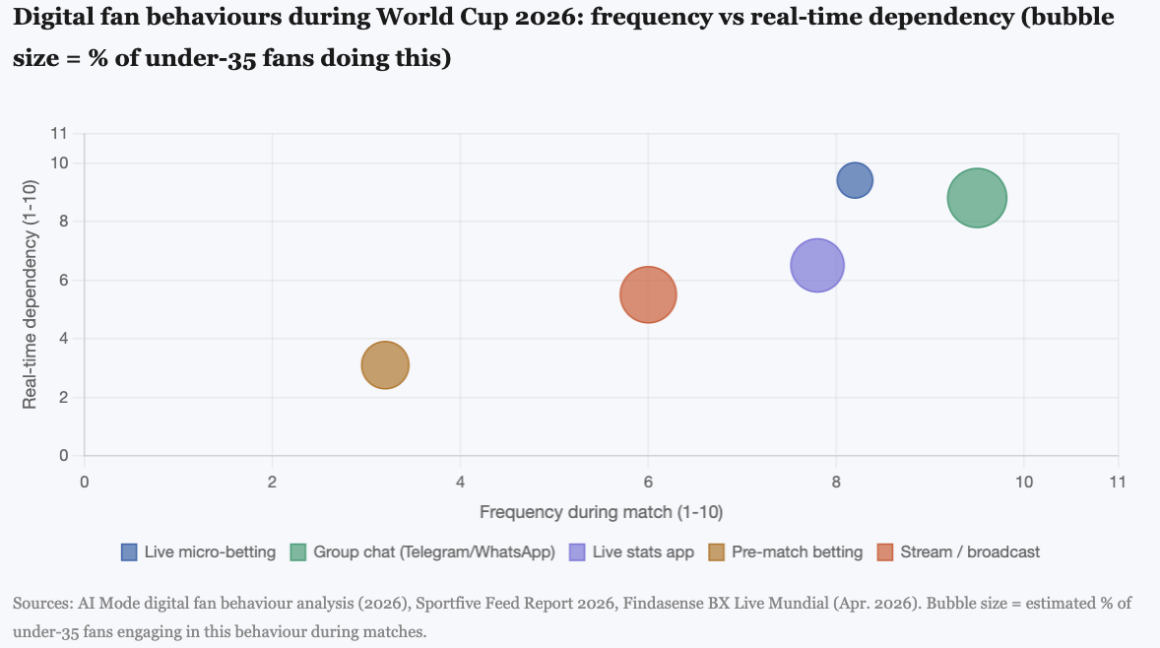
Here is something worth thinking about. The average modern football fan watching the 2026 World Cup is doing four things at once: following the match on a television or laptop, commenting in a group chat on Telegram or WhatsApp, checking live stats on a separate app, and placing or considering a micro-bet on what happens in the next five minutes of play. The television part of that routine has not changed much in thirty years. Everything else is completely different from how anyone watched a tournament a decade ago, and most of it happened faster than anyone in the sports media or betting industry planned for. The interesting question is not why Bitcoin fits this routine. The interesting question is why it took this long for the payment infrastructure to catch up with the way fans were already behaving.
Traditional banking operates on schedules that predate the internet. Banks close on weekends. International wire transfers take two to five business days. Card processors apply fraud rules written for a world where gambling transactions were unusual rather than routine. None of that is compatible with a tournament that runs continuously for 39 days across three countries and multiple time zones, with four matches sometimes happening in a single day and live betting markets updating every 30 seconds. Bitcoin networks settle transactions continuously, 24 hours a day, every day of the year, including Sunday evenings and public holidays. That single fact explains why Bitcoin betting for the FIFA World Cup 2026 has grown so fast that any amount of crypto marketing could never keep up.
How micro-betting changed what the payment layer needs to do
The betting behaviour that has grown fastest over the past three years is not pre-match outright wagering. It is micro-betting: short-form wagers on specific live occurrences within a match, placed rapidly and repeatedly across the 90 minutes. Who takes the next corner kick? Whether the next shot is on target. Which team wins the next five-minute segment? These markets open and close within seconds, and the odds fluctuate based on what is happening on the pitch in real time. A fan engaged in this kind of betting is not making a careful decision before kick-off and then watching the match. They are making ten or fifteen small decisions throughout the game, each time-sensitive and requiring the payment layer to work immediately rather than eventually.
Card processors and bank transfers were not designed for this. They were designed for transactions that could tolerate a 30-second delay, a fraud-check pause, or a weekend processing queue. Crypto on-chain settlement was. A USDT transaction confirming in under two minutes is not a luxury feature for this type of betting. It is a functional requirement, and the platforms that understood this early built their infrastructure around it, while traditional sportsbooks were still trying to optimize their card-processing approval rates.
The social layer that Bitcoin slots into naturally
Something changed about how football fans experience tournaments when Telegram, Discord, and X became the primary venues for real-time match conversation. The group chat during a World Cup game is not a secondary activity. For a large portion of the audience, particularly fans under 35, it is where the tournament’s experience happens. The match on the screen is the shared reference point. The commentary, the memes, the arguments over predictions, and the collective reaction to goals and red cards all happen in the chat. This is where a significant amount of betting discussion also happens, and it is where the connection between social fandom and financial participation in the tournament has become most direct.
Telegram-integrated betting bots, which let users place bets without leaving the messaging app they are already using, fit into this routine in a way that opening a separate browser and going through a traditional sportsbook cashier does not. Prediction markets like Polymarket and Kalshi, which operate via wallet connections rather than account registrations, fit into it as well. The friction of switching between a social context and a financial transaction context has been reduced to the point where many users do not experience them as separate activities anymore, and Bitcoin’s native compatibility with the internet-first ecosystem that underpins all of this is a large part of why it became the default payment choice for this audience.
What cross-border access means when the tournament is physically in three countries
The 2026 World Cup is hosted across the United States, Canada, and Mexico, which means the tournament is physically distributed across three different national banking systems, three sets of sports betting regulations, and three currencies. A fan travelling from Europe to watch their team play in New York faces foreign exchange conversion fees, potential card blocks on international gambling transactions, and the geographic restrictions of US state-by-state sports betting licensing that may or may not cover the state they are visiting. A fan watching from Brazil, Japan, or Nigeria faces all of those problems without even being in the room.
Bitcoin operates as a universal digital asset with no built-in notion of borders. The same wallet that works in Lagos works in Toronto, works in Mexico City. There are no foreign exchange conversion fees because the asset is the same everywhere. There are no geographic restrictions at the payment layer, which is the layer that most international fans actually run into problems with.
For a genuinely global event involving fans from every part of the world, this is not a minor convenience. It is the difference between being able to participate and not being able to participate, and it is the reason why platforms built around World Cup Bitcoin betting have grown their international user base faster than any licensed regional operator during this tournament.
Frequently asked questions
Why does Bitcoin fit the modern football fan routine better than traditional payment methods?
Because modern fans bet live, bet frequently, and operate across multiple screens and time zones simultaneously. Bitcoin networks settle transactions 24 hours a day, including weekends and public holidays. Traditional banking does not. During a 39-day tournament with matches almost every day, that difference compounds into a meaningfully better experience for active bettors.
What is micro-betting and why does it need crypto?
Micro-betting means placing short-form wagers on specific live events within a match, like the next corner kick or yellow card. These markets open and close in seconds. Card processors and bank transfers cannot respond fast enough. Crypto on-chain settlement can, which is why live in-play betting grew 73 percent year on year on blockchain platforms in 2026.
Can fans outside the US, Canada, and Mexico bet on the 2026 World Cup with Bitcoin?
Yes. Bitcoin has no geographic restrictions at the payment layer. A wallet in Europe, Asia, or Latin America works the same way as one in the host nations. This is a key reason why crypto sportsbooks are capturing such a large share of the international betting audience that licensed regional operators cannot reach.
How do Telegram betting bots connect to Bitcoin?
Some crypto sportsbooks have built Telegram bots that let users place bets directly within the messaging app by connecting a crypto wallet. The bot handles the transaction on the blockchain without the user needing to open a separate browser or go through a sportsbook cashier. It reduces the steps between a conversation in a group chat and an actual bet to a handful of taps.