The Ghanaian economy has experienced renewed growth since 2023 and is expected to continue expanding over the coming years. Investors are now laying the groundwork for new projects, focusing mostly on the real estate landscape. Why is it growing this fast, and how is it expected to develop?
To understand Ghana’s property market, it’s important to first look at broader growth trends across Africa.
The Structural Reasons for African Growth
Many factors contributed to the growth of the whole continent, not just Ghana. Among these are remarkable:
- Rapid urbanisation: according to a UN projection, urbanisation will be most concentrated in African countries. By 2050, the African cities’ population will increase by 60%
- Growth of younger generations: the average age in Africa is 19 years, making it the youngest population worldwide
- Better incomes: research conducted by McKinsey & Company estimates that over 300 million Africans now belong to an emerging middle class, demanding quality housing
- Improvements in connectivity and infrastructure: Countries like Kenya, Ghana, Rwanda, and Morocco are already well-developed and leading in real estate markets, thanks to these improvements. Locations near new transport links are already seeing measurable price increases.
What Is Driving Ghana’s Property Boom
Within this continental scenario, Ghana occupies a distinctive position. It is actually the leading African country in this growing context. Few property markets on the African continent have attracted as much investor attention as Ghana’s over the past two years.
Some structural improvements are consistently encouraging this steady growth.
- Residential demand: Migration from rural areas to urban centres continues to drive housing demand. There is a current deficit of residential sites estimated at around 1.8 million units, placing severe pressure on existing housing stocks. This is a strong opportunity for investors.
- Commercial estates: As the population grows, the need for amenities increases. The African Continental Free Trade Area (AfCFTA) Secretariat has attracted institutional presence from across the continent, creating direct demand for Grade A office space. The continued expansion of technology hubs and innovation centres is also supporting demand for commercial property across major urban areas.
- Industry and logistics: Representing the country’s future, the development of national airports and Tema Port, along with the spread of e-commerce, has made Ghana a hub for distribution and global connections.
- Diaspora phenomenon: Remittances from Ghanaians living abroad continue to make a significant contribution to the national economy. Ghanaians living abroad are bringing significant capital for investment, especially to the real estate market.
The Real Value of Ghanaian Real Estate
The current value of real estate in the country is $77.23 billion and is projected to reach $98 billion by the end of 2029. The largest share in this amount, around 56%, is in the residential market, where luxury apartments sit in the first segment. In Accra neighbourhoods where the market behaves almost like a different country, prime property values have surged by 20–25% since 2020, with three-bedroom houses commanding between $450,000 and $600,000 and high-end apartments ranging from $250,000 to $400,000.
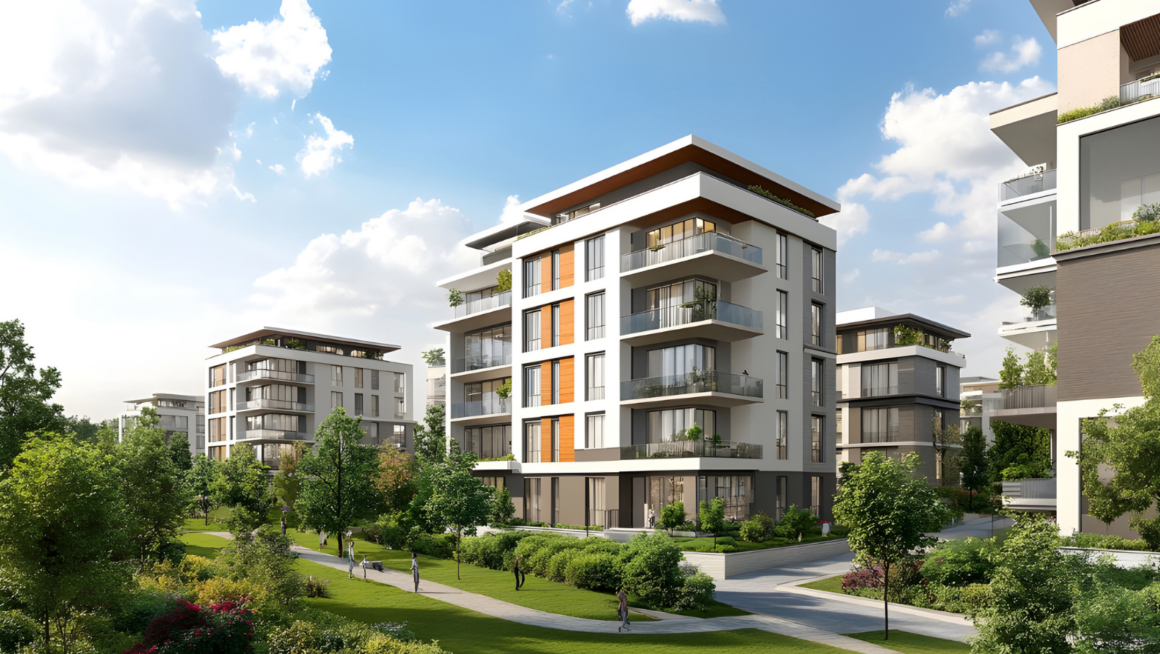
One example is Selton Skye Ghana, a luxury residential development designed to meet the growing demand for premium urban living in Accra. The iconic building includes 125 residences, pools, gardens, and amenities such as grocery stores. It is meant to represent the rise of the luxury market, including concierge service and room service. Along with the numerous advantages inside the building, the location plays a significant role for travelling professionals and international corporations:
- Minutes from Kotoka International Airport
- Proximity to major business districts
- Access to premium dining and retail
- Secure, well-connected neighbourhood
The Reforms Making Ghana’s Future Possible
This future is supported by national reforms underway: a $165 million digital overhaul of the Lands Commission is creating a national database of land records, targeting 30-day title registration, whereas the process once took years and was complicated by land ownership issues. Moreover, the Bank of Ghana has significantly cut its policy rates, reducing lending costs and increasing mortgage participation.
If current economic reforms continue, Ghana’s property market is well-positioned for sustained long-term growth. It will host buyers, investors, and international corporations, along with the current welcoming of international students, locals, and NGO workers.