Jewelry often arrives in a small box, quietly radiant and complete. What we rarely see is the intricate collaboration behind it, the hands, decisions, and disciplines that shape raw materials into something deeply personal. Every finished piece carries a story, not just of the wearer, but of the team that brought it into existence.
Behind every necklace, bracelet, or ring lies a carefully orchestrated process that blends artistry with technical precision. From initial concept to final polish, jewelry creation is rarely the work of a single individual. It is a layered journey where designers, artisans, and specialists contribute their expertise to transform an idea into something tangible and lasting.
The Design Phase: Where Ideas Take Shape
Every piece of jewelry begins with an idea, often inspired by emotion, symbolism, or cultural meaning. Designers sketch concepts that balance aesthetics with practicality, considering proportions, wearability, and how materials will behave under different conditions. This stage is as much about storytelling as it is about structure, as the design must resonate with the person who will ultimately wear it.
Modern jewelry design often blends traditional sketching with digital tools. While hand-drawn concepts remain foundational, computer-aided design allows teams to refine dimensions and visualize the final piece before production begins. This hybrid approach ensures that creativity is supported by precision, reducing the risk of errors later in the process.
Collaboration begins early. Designers frequently consult with production specialists to confirm that their ideas can be executed without compromising quality. This exchange of knowledge helps bridge the gap between imagination and feasibility, ensuring that the design is both beautiful and buildable.
Material Selection and Ethical Considerations
Choosing the right materials is a critical step that influences not only the look of a piece but also its durability and meaning. Metals such as gold and silver must meet specific purity standards, while gemstones are evaluated for cut, clarity, and color. Each decision shapes the final identity of the jewelry.
In recent years, ethical sourcing has become a defining factor in material selection. Industry standards promoted by organizations focused on responsible jewelry practices emphasize transparent supply chains and responsible mining. Many jewelry teams now prioritize recycled metals and conflict-free stones, reflecting a broader commitment to sustainability and accountability.
Material selection is also where the customer’s preferences come into play. Customization options, such as engraving or gemstone choices, allow individuals to participate in the creative process. Many modern jewelry providers, including the team at Oath Jewelry, offer personalized features that align craftsmanship with personal meaning, reinforcing the connection between maker and wearer.
Craftsmanship in Action: From Model to Metal
Once a design is finalized, it moves into production, where skilled artisans bring it to life. This phase often begins with the creation of a model, which serves as the blueprint for the final piece. Techniques such as wax carving or digital modeling are used to establish the structure before metal is introduced.
The transition from model to metal typically involves casting, a process where molten metal is poured into a mold to form the basic shape. From there, the piece undergoes extensive refinement. Bench jewelers, who are highly trained artisans, handle tasks such as filing, shaping, soldering, and assembling components. Their role is central to transforming a rough casting into a refined object.
This stage demands both technical skill and patience. Each adjustment must be precise, as even minor imperfections can affect the integrity of the piece. The craftsmanship involved is not merely mechanical; it requires a deep understanding of materials and an eye for detail that only experience can provide.
Stone Setting and Detailing
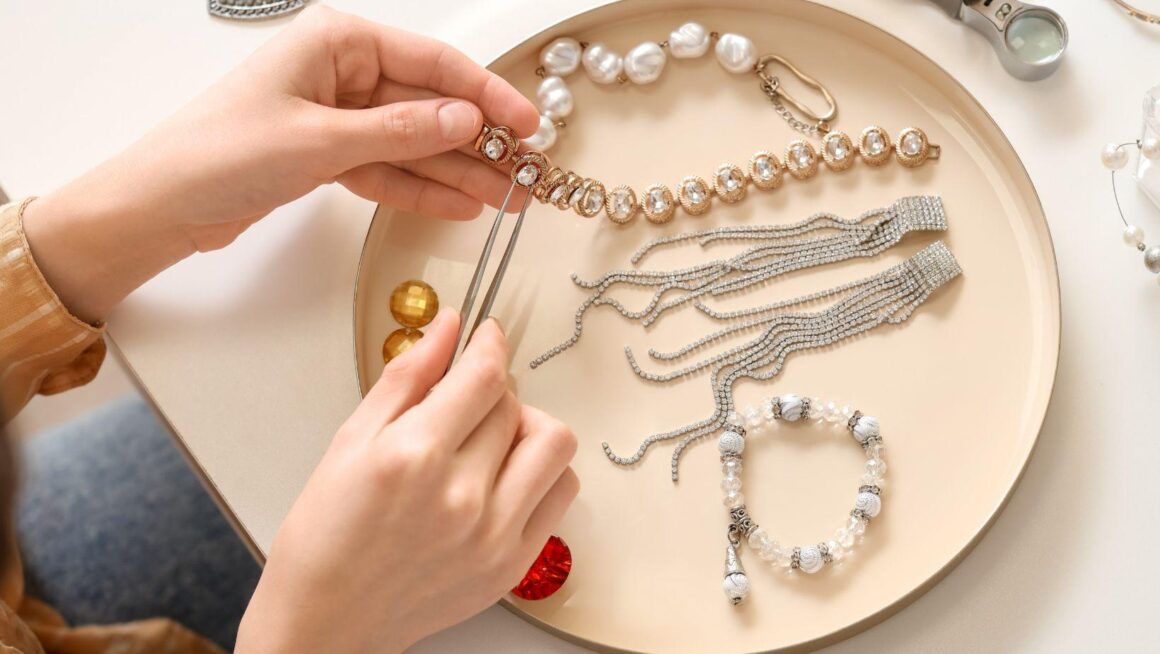
For pieces that include gemstones, the setting process is one of the most delicate stages. Stones must be securely placed while maximizing their brilliance and visibility. This requires careful alignment and a steady hand, as even slight misplacement can diminish the overall effect.
Different setting techniques, such as prong, bezel, or pavé, are chosen based on the design and the type of stone. Each method offers a distinct aesthetic while serving a functional purpose. The goal is to enhance the stone’s natural beauty while ensuring it remains secure during everyday wear.
Detailing extends beyond stone setting. Engraving, texturing, and polishing add layers of character to the piece. These finishing touches are where individuality truly emerges, turning a technically sound item into something emotionally resonant.
Quality Control and Final Finishing
Before a piece reaches the customer, it undergoes rigorous quality control. This stage ensures that every element meets the highest standards, from structural integrity to visual appeal. Teams inspect for flaws, test durability, and confirm that all components function as intended.
Polishing is a critical part of this phase. It enhances the surface, bringing out the metal’s natural luster and ensuring a smooth, refined finish. Depending on the design, different polishing techniques may be used to achieve matte, satin, or high-gloss effects.
Packaging and presentation also play a role in the final experience. Jewelry is often associated with significant moments, so the way it is delivered matters. A thoughtfully presented piece reinforces the care and craftsmanship that went into its creation.
The Human Element Behind Every Piece
While technology has streamlined many aspects of jewelry production, the human element remains irreplaceable. The collaboration between designers, artisans, and specialists is what gives each piece its character. It is this shared expertise that allows jewelry to transcend functionality and become meaningful.
Handcrafted processes, in particular, highlight the dedication involved. From intricate soldering to precise stone placement, these techniques require hours of focused work. The value lies not only in the final product but in the time, skill, and intention invested in its creation.
This collaborative approach also fosters innovation. Teams continuously refine their methods, experimenting with new materials and techniques while preserving traditional craftsmanship. The result is a dynamic balance between heritage and modernity.
Conclusion
Jewelry creation is far more than a linear process. It is a collaborative journey that brings together creativity, technical expertise, and careful decision-making at every stage. From the first sketch to the final polish, each step contributes to a piece that carries both aesthetic and emotional value.
Understanding how jewelry teams work behind the scenes offers a deeper appreciation for what might otherwise seem like a simple accessory. Every detail, every decision, and every pair of hands involved adds to the story. When you wear a piece of jewelry, you are not just wearing metal and stone. You are carrying the result of a thoughtful, human-centered craft that transforms ideas into something lasting and meaningful.