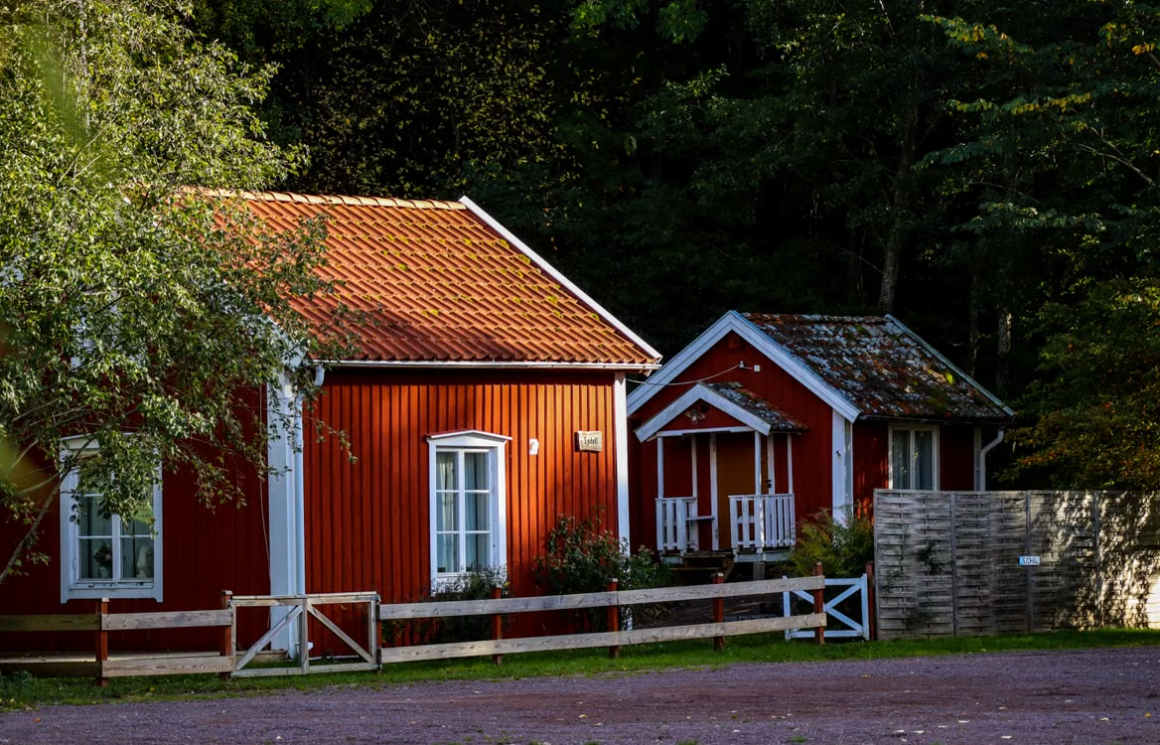
A growing number of homeowners these days are discovering that the most valuable part of their property sits just beyond the back door. Rising housing demand nowadays, including the need for flexible work and neighborhood-based services, has crafted new ways to earn from underused outdoor space.
The World Bank and International Energy Agency both highlight trends supporting these opportunities. With smart planning and local compliance, your backyard can produce steady income.
1. Build An ADU For Long-Term Rental Income
An accessory dwelling unit (ADU), for instance, often delivers the highest long-term earning potential because it creates or can be crafted into a complete living space. In many parts of North America, Australia, and parts of Europe, housing challenges continue pushing rental demand sky-high.
Before building, you need to review different financing options alongside local zoning laws, utility requirements, and permit ordinances. You need careful planning to help you control costs, while a well-designed ADU can increase both rental income and overall property value, especially in neighborhoods with limited housing options.
2. Convert A Garage Into A Junior ADU
A garage conversion can usually cost less than building an accessory unit from the ground up, creating another rentable space. It may be more practical if you can work with a premier ADU builder to effectively help you maximize your property’s potential, navigate permitting, optimize layouts, and plan efficient construction before investing.
With professional planning on your side, you can easily reduce expensive design changes later. This advantage can be quite material, especially when permitting delays and code corrections often become the highest unexpected costs during residential conversion projects.
3. Offer Medium Term Housing For Traveling Professionals
Most of the time, traveling professionals like nurses, visiting professors, construction managers, and corporate consultants often seek no-fuss furnished housing for months. With medium-term rentals, you can typically offer steadier occupancy all year round than short stays while reducing frequent guest turnover and costly end-of-term cleanup.
Research employers, hospitals, universities, and infrastructure projects near your area. These organizations regularly bring temporary workers who need comfortable housing close to their assignments.
4. Lease A Backyard Office
Remote professionals nowadays increasingly value quiet workspaces outside crowded homes. A reasonably detached office space with reliable internet, climate control, and privacy, for instance, can be quite attractive and convenient for digital nomads and those just starting their small business.
Also, flexible monthly agreements often appeal to local entrepreneurs who want affordable workspace without signing elaborate commercial leases.
5. Rent Parking Or Electric Vehicle Charging
If parking remains limited in your locality, having an unused driveway or backyard access may become a good source of recurring and steady income. Installing a residential EV charger can create another revenue stream as electric vehicle ownership continues expanding worldwide.
Also, you may have to keep an eye on insurance coverage and local regulations before accepting paid vehicle access to avoid legal hassles later.
6. Generate Passive Income Through Solar Leasing
Some homeowners lease rooftop or backyard solar capacity through local energy programs where available. Savings on electricity, combined with lease payments or energy credits, can shorten overall payback periods.
Available incentives, on the other hand, can vary by locality or State, so you may need to compare current policies before you commit to anything.
Unlock Value Already Waiting Outside
Your backyard may already represent an investment you have not maximized. With more thoughtful planning, careful budgeting, and compliance with local regulations, it can also become a dependable source of income.
Choose one opportunity that matches your property, your budget, and your local market, then take the first practical step toward turning unused space into lasting financial value.