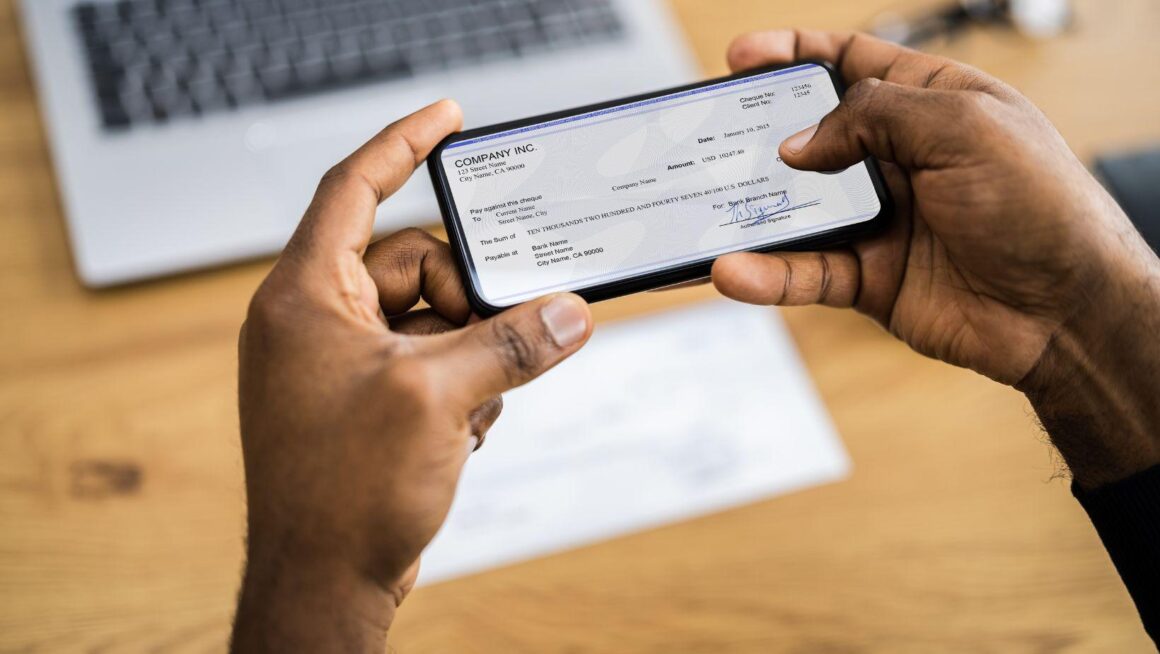
Mobile check deposit has moved from a premium feature to a baseline expectation in retail banking. Most banks offer it in some form, which means the relevant question is no longer whether a bank has a mobile check deposit but how well it actually works when you need it. The difference between a mobile deposit experience that is genuinely useful and one that is frustrating, slow, or unreliable determines how much value the feature actually adds to your banking relationship.
Here is what separates the banks that do mobile check deposit well from those that merely offer it.
1. Availability of Funds and How Quickly They Actually Clear
The most important dimension of mobile check deposit for most customers is not the technology that captures the check image but the timeline on which the deposited funds become available. A deposit that is processed instantly in theory but holds funds for five to seven business days before they can be accessed is not delivering meaningful value relative to walking into a branch.
The best banks with mobile check deposit provide instant or same-day availability for a meaningful portion of deposits rather than applying maximum hold periods to every mobile deposit regardless of the customer's account history, deposit amount, or check type. Availability policies vary significantly across institutions, and understanding the actual hold timeline for your typical deposit amounts and check types before choosing a bank is more useful than comparing the feature lists that do not surface this distinction.
Banks that offer tiered availability, where longer customer relationships and stronger account standing produce faster fund access, reward loyal customers in a way that benefits the customers who use mobile deposit most consistently.
2. Deposit Limits and Whether They Match Real Customer Needs
Daily and per-check deposit limits determine whether mobile check deposit is useful for your actual banking needs or only for a subset of them. A limit that handles personal checks from friends and family but cannot accommodate a paycheck, a tax refund, or a check received in a business transaction forces customers back to branch visits for the deposits that matter most.
Deposit limits vary enormously across banks, from a few hundred dollars per day at some institutions to tens of thousands at others. The limit that is appropriate depends entirely on the types of checks you regularly deposit, and choosing a bank whose limits match your actual deposit patterns eliminates the friction of discovering a limit only when you are trying to deposit something above it.
Some banks offer higher deposit limits for customers who have maintained accounts for a defined period or who maintain minimum balances, which is worth understanding before making a banking decision based on advertised limits that may apply only to new customers.
3. Image Capture Technology That Works in Real Conditions
The quality of the image capture experience determines how many attempts are required to successfully submit a mobile deposit, which directly affects how useful the feature is in practice. Capture technology that requires specific lighting conditions, a flat surface, and multiple attempts before accepting an image is not delivering the convenience that mobile deposit is supposed to provide.
The best mobile deposit implementations use image processing that guides the customer to produce a usable image on the first attempt, automatically detects when the check is properly framed and in focus rather than requiring the customer to judge this manually, and processes images that are imperfect without rejecting deposits that a reasonable system could accept.
Testing the mobile deposit capture experience before committing to a bank is more informative than reading feature descriptions, because the quality of the implementation is apparent immediately and does not require extended use to evaluate.
4. Banks With Mobile Check Deposit That Also Offer Instant Availability
The banks that lead the mobile check deposit category are those that combine reliable capture technology with the fastest fund availability timelines in the market. Instant availability for eligible deposits is the standard that the best mobile banking experiences now deliver, and it changes the practical utility of the feature significantly compared to next-day or multi-day availability.
SoFi's instant mobile check deposit provides eligible members with immediate access to deposited funds rather than making customers wait through hold periods that no longer reflect the speed at which check processing actually occurs in the modern banking system. For customers whose cash flow depends on timely access to deposited funds, this availability timeline is a meaningful differentiator rather than a minor convenience feature.
Other banks that have moved toward faster availability for mobile deposits include Chime, Ally, and several credit unions that have invested in reducing hold periods as a competitive differentiator. Comparing the actual availability timelines of specific institutions for your typical deposit types gives you a more accurate picture of the real-world difference than feature comparisons at the category level.
5. Daily and Monthly Deposit Limits That Scale With Customer Needs
The limits that apply to mobile check deposit at different banks reflect very different assumptions about what customers need the feature for. Banks that set conservative limits across all customers without adjustment for account history or customer standing are making a different tradeoff between fraud risk management and customer convenience than those that offer higher limits to customers who have demonstrated reliable behavior.
For customers whose banking needs include regular deposits of larger checks, whether from employer payments, rental income, freelance work, or other sources, the deposit limit is a practical constraint that determines whether mobile deposit covers their actual use case or only part of it. Understanding the specific limits at any bank you are considering, and whether those limits can be increased based on account tenure or standing, should be part of the evaluation before making a banking decision.
6. The Mobile App Experience That Surrounds the Deposit Feature
Mobile check deposit does not exist in isolation. It is one feature within a mobile banking application whose overall quality determines how useful the banking relationship is day to day. A deposit feature that works well within an app that is unreliable, slow, or difficult to navigate is a better individual feature within a worse overall experience than one delivered within a well-designed application that makes every banking task straightforward.
The quality of the surrounding mobile banking experience, including account management, payment features, customer service access, and notification systems that keep you informed about your account, matters as much as the deposit feature itself for a banking relationship that is primarily managed through the phone.
Reading current user reviews of the mobile application rather than relying on bank-provided feature descriptions gives you a more accurate picture of the actual experience, including the friction points that do not appear in marketing materials but significantly affect daily use.
7. Notification and Confirmation Systems That Keep You Informed
A mobile check deposit that is submitted successfully and then disappears into a processing black hole until the funds appear or do not appear in your account is not providing the transparency that effective mobile banking should deliver. The best mobile deposit implementations provide immediate confirmation that the deposit has been received, notification when it has been processed and approved, and clear communication if there is any issue with the deposit that requires action.
Push notifications that update you on deposit status without requiring you to log in and check manually reduce the uncertainty that mobile deposits create when the confirmation experience is poor. Knowing immediately that your deposit has been accepted and when funds will be available changes the practical utility of the feature for cash flow management purposes.
8. Check Endorsement Requirements That Are Clear and Consistently Applied
Many mobile deposit rejections occur not because of image quality issues but because of endorsement requirements that were not clearly communicated before submission. Banks increasingly require specific endorsement language on the back of checks submitted via mobile deposit, often including the phrase for mobile deposit only alongside the standard signature, and checks that do not include this language may be rejected after submission rather than flagged before it.
Clear communication of endorsement requirements before the customer prepares the check for submission, and consistent application of those requirements rather than selective rejection that creates uncertainty about what is actually required, distinguishes banks that have thought carefully about the customer experience from those that have not.
9. Handling of Rejected Deposits and Customer Support Quality
The quality of a mobile deposit experience is also revealed in how the bank handles situations where a deposit is rejected or held longer than expected. Clear communication about why a deposit was rejected, what the customer needs to do to resolve the issue, and how quickly customer support is accessible when something goes wrong are all dimensions of service quality that do not appear in feature comparisons but significantly affect the real experience.
Banks with responsive customer support available through the mobile application, whether through chat, phone, or other channels, handle deposit issues more effectively than those that require customers to visit a branch or wait on hold for extended periods to resolve what should be a straightforward banking question.
10. Security Architecture That Protects Deposited Checks and Account Information
Mobile check deposit involves transmitting images of financial documents through a mobile application, which creates security considerations that the underlying technology needs to address through encryption, secure data handling, and appropriate retention policies for check images after processing.
Understanding how long a bank retains check images after deposit, what encryption protects the transmission and storage of those images, and what fraud monitoring is in place to detect anomalous deposit activity gives you a complete picture of the security architecture rather than assuming that the convenience of mobile deposit does not come with security tradeoffs worth understanding.