Never thought a random gaming session would actually teach me something useful about handling money.
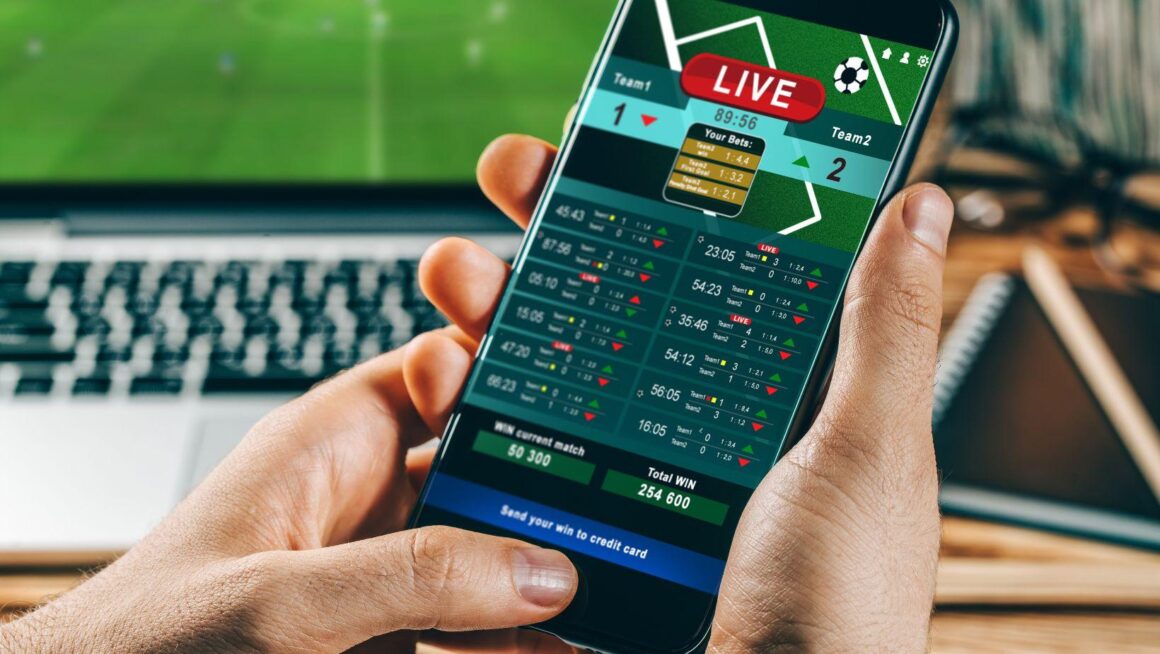
Last month I was scrolling through my phone and came across the jetx app. What grabbed my attention wasn't the game itself—it was how it made me rethink how I approach risk.
Why Small Stakes Changed My Perspective
I've read countless articles about budgeting and they all say identical things about tracking expenses and saving some magical percentage that never works out in practice.
But here's what nobody explains: how to actually understand your own risk tolerance when making real decisions with actual consequences.
When you put down $3 or $5 on something where the outcome isn't guaranteed, you naturally start asking questions that matter. Can I afford to lose this? Where's my exit point? Am I chasing losses or making a logical choice?
Those aren't just questions for gaming. They're the exact questions I should've been asking about money decisions for years.
The Psychology Behind Decision-Making
Most people make terrible financial choices because we never practice making decisions under pressure. We consume content about investing and emergency funds, but freeze up the second we need to actually do something.
I noticed something fascinating with $10 at stake. My brain shifted into a different mode—not freaking out, just working through the math. Should I take 1.5x? Hold out for 2x? What am I trying to accomplish?
Pretty much identical to questions I should ask before buying stocks, getting into crypto, or purchasing that $497 course everyone promotes.
What I Actually Learned
Gaming apps aren't sophisticated financial education platforms. But they did something my textbooks never managed—making abstract money concepts feel immediately real.
Risk isn't binary where choices are either safe or dangerous—there's a whole spectrum. Timing matters more than I expected. Controlling emotional reactions beats having a perfect strategy. Small experiments with quick results teach you faster than reading theory.
I'd dropped $200 on finance books over two years and retained maybe 15% of what I read. Three weeks of actually experiencing risk and reward? That information stuck permanently.
Applying This To Real Money
Started testing this mindset with actual financial decisions.
My savings account hit $2,847 last month and instead of leaving it collecting 0.3% interest, I moved $1,500 into a high-yield account paying 4.7%. That's an extra $58 per year—not life-changing, but my money's working now.
Stopped overthinking small purchases too. Used to waste 20 minutes debating a $12 book. Now I just ask if losing that $12 would matter tomorrow. Usually it doesn't, so decision made in 30 seconds.
I became way more conservative with big purchases. Before dropping $380 on work software, I calculated the return. Will this save me 8 hours monthly? What's my hourly rate worth? Does the math work?
Either it does or it doesn't. Simple when you break it down.
The Broader Pattern I'm Seeing
Most friends struggle with the exact problem I had—being so terrified of making the wrong financial move that they make no moves at all.
Their money just sits there doing nothing. In checking accounts earning zero. In investment portfolios set up in 2018 and never adjusted.
You can't get better at making decisions without making decisions. And you can't practice with your entire life savings on the line. You need some safe space to build that decision-making muscle.
Some people use paper trading for stocks. Others use budget simulators. I stumbled into mine through a gaming app. The specific method doesn't matter as much as getting the practice.
What matters is feeling the real weight of making a choice, watching the outcome unfold, and adjusting based on feedback you can measure—not just theory you read about.
Building actual financial confidence comes from direct experience, and I wish someone had broken this down for me when I was completely paralyzed by conflicting advice.