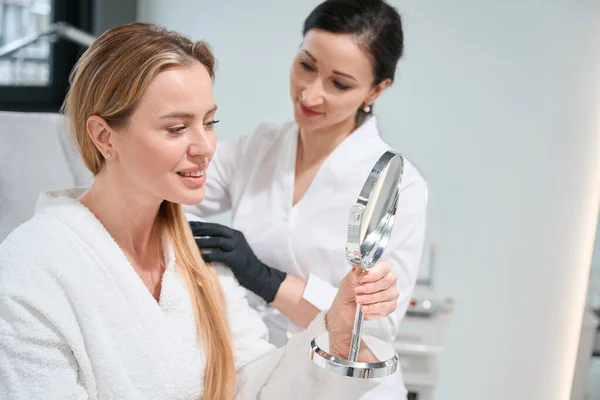
Have you ever considered an aesthetic treatment but felt unsure about where to begin?
With so many cosmetic procedures available today, choosing the right one can feel confusing. Some treatments focus on skin quality, while others aim to change facial features or body contours.
Making thoughtful choices about aesthetic treatments means understanding your personal goals, learning what each procedure involves, and considering the possible risks. The idea isn’t to follow every beauty trend. It’s to make informed decisions that feel right for you.
Understanding What You Really Want From an Aesthetic Treatment
Before booking any cosmetic procedure, take some time to think about what you hope to achieve. A clear goal can help you avoid treatments that don’t match your needs.
Identify Your Personal Reasons
People consider aesthetic treatments for different reasons. Some want to address visible signs of ageing, while others wish to change a feature that has bothered them for years.
Ask yourself a few simple questions:
- What specific concern do I want to address?
- How long have I been thinking about this change?
- Am I doing this for myself or because of outside pressure?
- What results would I consider satisfactory?
These questions can help you separate personal preferences from temporary trends.
Keep Your Expectations Realistic
Aesthetic treatments can change certain physical features, but they cannot guarantee perfection or solve personal confidence issues.
For example, a skin treatment may improve the appearance of fine lines without completely removing them. Understanding these limits before proceeding can help prevent disappointment.
Choosing a Qualified Professional for Aesthetic Treatments
The experience and qualifications of the person performing your procedure matter just as much as the treatment itself. Different cosmetic procedures require different medical skills and safety precautions.
Check Qualifications and Clinical Standards
When considering surgical procedures, visiting a reputable plastic surgery clinic can provide an opportunity to discuss treatment options with appropriately qualified professionals.
However, don’t choose a provider based only on attractive photographs or online ratings.
Instead, check:
- The practitioner’s professional licence and relevant qualifications.
- Their experience performing your chosen procedure.
- The facility’s safety standards and applicable accreditation.
- How complications and follow-up appointments are managed.
A responsible professional should explain the benefits, limitations, and potential complications without pressuring you into making an immediate decision.
Make the Most of Your Consultation
A consultation should be more than a discussion about appearance.
Your practitioner should review your medical history, medications, allergies, and treatment expectations. You should also understand the recovery process and any restrictions on everyday activities.
If an explanation feels unclear, ask for more information before agreeing to treatment.
Comparing Surgical and Non-Surgical Cosmetic Procedures
Not every aesthetic concern requires surgery. Understanding the differences between available treatments can help you choose an approach that matches your expectations.
When Non-Surgical Treatments May Be Suitable
Non-surgical procedures include certain laser treatments, chemical peels, and cosmetic injectables.
These treatments may address concerns such as uneven skin texture, fine lines, or facial volume changes.
However, non-surgical doesn’t automatically mean risk-free. Injectable treatments, for instance, can cause bruising, swelling, infection, and occasionally serious complications.
When Surgical Treatments May Be Considered
Some changes require a surgical approach, especially when the goal involves removing tissue or changing body contours.
For example, liposuction removes localized fat deposits from specific body areas. It is intended for body contouring rather than general weight loss and does not reliably tighten loose skin.
Surgical treatments also require careful consideration of anaesthesia, recovery time, scarring, and possible complications.
The right option depends on your health, anatomy, goals, and professional medical assessment.
Planning for Recovery, Costs, and Long-Term Results
Choosing an aesthetic treatment involves more than the procedure itself. Recovery requirements and ongoing costs can affect your everyday routine.
Understand the Full Financial Commitment
Before making a decision, request a clear breakdown of expenses.
Depending on the procedure, costs may include consultation fees, anaesthesia, facility charges, medication, and follow-up care.
Ask what happens financially if complications require additional treatment.
Allow Enough Time for Recovery
Recovery varies depending on the treatment and your individual health.
Some procedures involve temporary redness or swelling, while surgery may require several weeks of activity restrictions.
Avoid scheduling treatments immediately before important events without discussing recovery expectations with your practitioner.
Also, understand that results may change with ageing, weight fluctuations, and other natural body changes.
Making Beauty Decisions Without Outside Pressure
Social media photographs and beauty trends can influence how people view their appearance. However, a procedure that suits someone else may not suit your facial structure, body type, or personal preferences.
Give yourself enough time to consider your options. Compare professional advice, understand the risks, and avoid making decisions because of limited-time offers.
Thoughtful choices about aesthetic treatments should always prioritize personal comfort, medical safety, and realistic expectations.
Conclusion
Beauty with a purpose means making aesthetic treatment decisions based on your own goals rather than outside expectations. Understanding procedures, checking professional qualifications, and planning for recovery can help you make more informed choices.
Whether you’re considering a small cosmetic improvement or a surgical procedure, taking time to assess your options is worthwhile. The most thoughtful approach to aesthetic treatments is one that respects your health, preferences, and long-term well-being.