For decades, investing knowledge was often tied to financial firms, professional traders, and people who already had access to experienced advisers. Learning how markets worked could mean paying for expensive courses, working in finance, or relying on someone with industry experience to explain the basics.
That has changed quickly. Today, investment educators are taking lessons from trading floors, investment firms, and real-world market experience and bringing them to online platforms. YouTube, podcasts, webinars, online courses, communities, and social media have made financial education easier to access for people who have never worked in finance.
The shift matters because more people are making their own investment decisions. The latest FINRA Foundation Investor Survey found that YouTube was the most commonly used social media platform for investment information, with 30% of investors using it. Among investors under 35, 61% reported making investment decisions based on influencer recommendations.
That creates a bigger opportunity for investment educators, but it also creates a need for better education, stronger judgment, and clear information.
Why Investment Education Is Moving Online
Traditional financial education has often focused on books, classroom courses, financial advisers, and professional training. These resources still matter, but they can be difficult for a beginner to understand or access.
“Online education removes many of those barriers. Someone interested in stocks, options, forex, real estate, or business investing can now search for a specific topic and find an explanation within minutes.
The format has changed as well. Instead of sitting through a long lecture, investors can learn through short videos, market breakdowns, live trading sessions, interactive courses, newsletters, and online communities.” – Gilberto Valzania, CMO at Joined Crypto
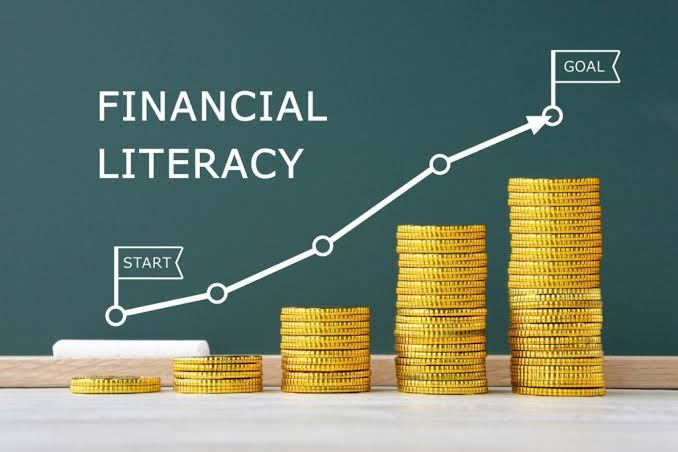
This makes financial literacy more practical. A beginner can learn what a stock is, how an earnings report works, why interest rates affect markets, or how risk management works before putting money into an investment.
The SEC itself provides free investor education through Investor.gov, including financial planning tools, investment information, and resources for avoiding fraud. The agency says more than 8 million Americans visit the site each year.
What People Are Learning From Investment Educators
Modern investment educators are covering topics that go beyond basic definitions. Good educators explain how different parts of the financial system connect.
A beginner learning about stock investing, for example, may start with basic concepts such as market capitalization, dividends, earnings, valuation, and diversification. From there, education can move into financial statements, economic indicators, portfolio construction, and risk management.
Real estate education follows a similar path. Students can learn how to evaluate rental income, operating expenses, financing costs, cap rates, cash flow, property values, and local market conditions.
Trading education can become even more technical. Students may learn about technical analysis, position sizing, stop-loss orders, market structure, leverage, and trading psychology.
The important change is that this knowledge is now available in smaller pieces. People can learn one concept, apply it, and then move to a more advanced topic.
Real-World Experience Is Becoming Part of the Lesson
One reason investment educators are gaining attention is their ability to connect theory with actual market experience.
A textbook can explain what a market correction is. An experienced investor can explain what it feels like to hold an investment when prices fall 20% and why emotional decisions can make the situation worse.
Jake Miakota, CEO at Subdivisions, said, “The biggest shift I’ve seen isn’t the technology or the platforms. It’s that retail investors are finally demanding the same contextual knowledge that institutional players take for granted. Real estate and business investment have always rewarded those who understood the full picture, not just the mechanics of a transaction, and that’s exactly what good educator-practitioners are now bringing to the table.”
That context can be valuable because investing rarely happens in isolation. A company may look attractive based on its earnings, but interest rates, competition, consumer demand, debt levels, and the wider economy can all affect its future performance.
Good financial education helps students understand those connections instead of simply memorizing terms.
The Rise of the Finfluencer
Social media has created a new category of financial educator often called a “finfluencer.” These creators use platforms such as YouTube, Instagram, TikTok, X, and podcasts to discuss investing and personal finance.
The audience is large. According to the 2024 FINRA Investor Survey, 26% of investors said they use recommendations from social media influencers. Among investors under 35, that figure reached 61%.
This shows why social media has become such an important part of financial education. A person may discover investing through a short video and then move into a longer course, a book, or professional resources.
However, access does not automatically mean quality.
The same FINRA research found that investors who rely on social media can face knowledge gaps and greater exposure to investment fraud.
That makes financial literacy especially important. Investors need to understand the difference between education and a recommendation, and between learning a strategy and blindly copying someone else’s trade.
Why Independent Thinking Matters
One of the biggest tests for investment educators is whether students become more independent or more dependent.
A useful course should teach someone how to evaluate an investment rather than simply tell them what to buy. It should explain the reasoning behind a decision, the risks involved, and the situations in which the strategy may fail.
Samuel Leach, Founder of Samuel & Co Trading, described, “The credentialing question is legitimate, but it’s also somewhat missing the point. A track record of real capital at risk will always tell you more about an educator’s competence than a qualification earned in a classroom. The accountability gap we should actually be talking about is whether these educators are teaching people to think independently or just creating dependency on someone else’s calls.”
That distinction is important. An educator who explains risk, research, and decision-making gives students tools they can use independently. Someone who mainly provides buy and sell signals can create a very different relationship.
Technology Is Making Financial Education More Interactive
Technology is also changing how investment education is delivered.
Online platforms allow educators to combine recorded lessons with live market discussions, calculators, spreadsheets, simulations, quizzes, and community discussions. AI tools are adding another layer by helping students explain financial terms, compare scenarios, organize research, and ask follow-up questions.
This creates a learning experience that can be much more interactive than traditional financial education.
For example, someone learning about compound growth can change the investment amount, time period, and expected return to see how each variable affects the result. A real estate student can change rent, expenses, financing costs, or vacancy assumptions to understand how those changes affect cash flow.
The goal is to make financial concepts easier to understand through examples rather than relying only on theory.
Financial Literacy Still Has a Long Way to Go
The need for this type of education remains strong. The FINRA Foundation’s 2024 research found that investment knowledge has not improved significantly overall, while many investors still show gaps in understanding risk and fraud.
That matters because investing mistakes can be expensive. A misunderstanding about leverage, fees, taxes, diversification, or risk can affect someone’s finances for years.
“Financial education can help reduce those mistakes by giving people a framework for asking better questions before committing money,” adds Devon Howard, CEO of Andor Willow
The SEC also continues to emphasize basic principles such as investing consistently, maintaining diversification, understanding risk, paying down high-interest debt, and keeping an emergency fund.
What the Future of Investment Education Looks Like
Investment education is moving toward a model where knowledge is easier to access, easier to personalize, and easier to apply.
The best educators will likely be those who combine real experience with clear teaching. They will explain complex ideas in simple language, show how strategies work in real situations, discuss risks openly, and help students build their own decision-making process.
The growth of online investment education does not mean everyone will become a successful trader or investor. Markets will always involve uncertainty, and education cannot remove investment risk.
What it can do is give more people access to the knowledge needed to understand that risk.
The move from trading floors to teaching platforms is therefore bigger than a change in where financial education happens. It is changing who gets access to investment knowledge and how that knowledge is shared. As more investors learn online, the strongest educators will be those who focus less on making predictions and more on teaching people how to think, research, manage risk, and make informed financial decisions.