Heating is an essential part of maintaining comfortable, productive, and safe environments in commercial and industrial buildings. However, managing indoor temperatures across large facilities can be challenging. Different areas often have varying heating requirements depending on occupancy, equipment, production activities, and external weather conditions.
Traditional heating systems frequently rely on fixed schedules or manual adjustments. These approaches can result in unnecessary energy consumption, uneven temperatures, and inefficient equipment operation. Automated heating systems offer a more precise alternative by adjusting heating output according to real-time conditions and operational requirements.
Through sensors, programmable controllers, and centralized monitoring, building operators can improve temperature regulation while reducing energy waste. These technologies also support better equipment management, predictable operating costs, and more sustainable facility operations.
Understanding Automated Heating Systems
Automated heating systems use electronic controls, sensors, and software to regulate heat production and distribution. Instead of depending entirely on manual adjustments, they continuously collect information about indoor conditions and modify system operation accordingly.
These systems can operate independently or form part of a broader building automation system (BAS). A BAS coordinates different building functions, including heating, ventilation, air conditioning, lighting, and energy monitoring.
The Department of Energy explains that building controls act as an integrated management system, helping facilities maintain comfortable conditions while minimizing energy and operating expenses.
Main Components of Automated Heating Systems
Several components work together to maintain stable indoor temperatures and efficient equipment operation.
- Temperature sensors: Measure indoor and outdoor temperatures to identify heating requirements.
- Programmable thermostats: Maintain predetermined temperature settings according to schedules and operating conditions.
- Control units: Process sensor information and determine when heating equipment should activate, deactivate, or adjust its output.
- Automated valves and actuators: Regulate the movement of heated water, steam, or air throughout the building.
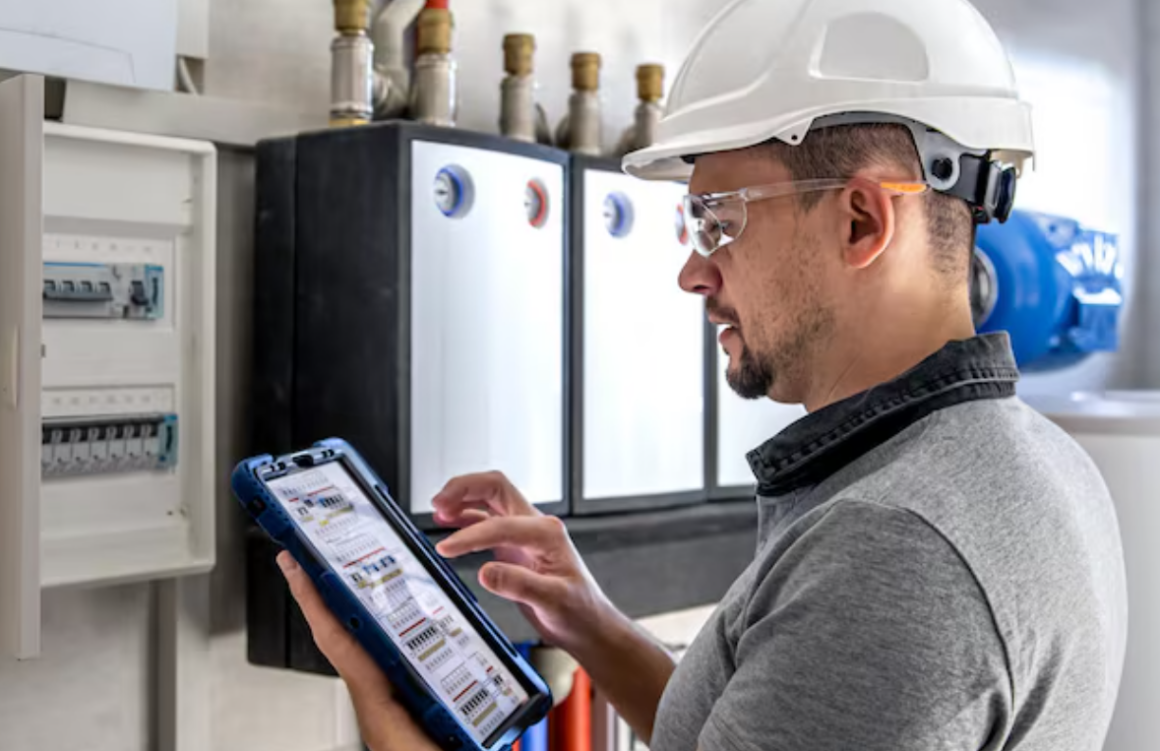
- Monitoring interfaces: Allow facility managers to review system performance, identify irregularities, and modify operating parameters.
The complexity of these components depends on the building’s size, heating infrastructure, and operational requirements. A small commercial property may need relatively simple programmable controls, while a manufacturing facility may require coordinated management across multiple heating zones.
Improving Energy Efficiency Through Intelligent Temperature Regulation
One of the main advantages of automated heating is its ability to match energy consumption with actual heating demand.
Large buildings rarely require the same temperature throughout every room. Warehouses, offices, production areas, meeting rooms, and storage facilities have different thermal requirements. Heating every space equally can therefore generate unnecessary energy consumption.
Automated systems address this problem by continuously adjusting heating output.
Maintaining Appropriate Temperature Setpoints
A temperature setpoint represents the desired indoor temperature for a particular space. Automated controllers maintain these settings by comparing sensor readings with programmed requirements.
When temperatures fall below the selected setpoint, the system increases heating output. Once the desired temperature is reached, it reduces or stops heating as appropriate.
This approach prevents excessive heating and reduces unnecessary equipment operation. It also helps maintain consistent conditions without requiring employees to repeatedly adjust thermostats.
Adjusting Heating According to Occupancy
Not every building area requires heating throughout the day.
For example, administrative offices may remain occupied during standard business hours, while warehouses and production areas may operate according to different schedules. Meeting rooms, storage spaces, and temporary work areas may experience significant variations in occupancy.
Automated heating systems can incorporate occupancy sensors and scheduling information to adjust temperatures accordingly.
During periods of reduced activity, the system can lower heating settings while maintaining appropriate conditions for equipment, materials, and building protection. Before employees arrive, heating can resume automatically.
This strategy helps avoid heating empty spaces unnecessarily without compromising workplace comfort.
Responding to Outdoor Weather Conditions
External temperatures directly influence how much energy buildings need to maintain comfortable indoor environments.
Advanced control systems can incorporate outdoor temperature sensors and weather information to anticipate changes in heating demand. For example, a facility may gradually increase heating output before a particularly cold period affects indoor temperatures.
This predictive approach can reduce sudden temperature fluctuations and help heating equipment operate more steadily.
Supporting Efficiency Across Different Industrial Environments
Commercial and industrial buildings have different heating requirements. Automated systems provide flexibility by adapting heating strategies to specific activities and environmental conditions.
Manufacturing and Production Facilities
Manufacturing environments often require stable temperatures to support equipment performance, material handling, and employee comfort.
Certain production processes are sensitive to temperature fluctuations. In these situations, automated heating controls can maintain predefined environmental conditions and coordinate heating equipment with production schedules.
For facilities using industrial gases, automated monitoring can also help coordinate heating requirements with broader operational processes. Depending on the application, systems supporting industrigasser handling and other industrial activities may operate alongside independently controlled heating infrastructure.
The objective is to maintain appropriate environmental conditions without consuming more energy than necessary.
Warehouses and Distribution Centers
Warehouses frequently contain large open spaces with high ceilings, making temperature management particularly challenging.
Warm air naturally rises, potentially creating significant temperature differences between occupied working areas and upper sections of the building.
Automated systems can address these conditions through zoned heating, temperature monitoring, and controlled air distribution. They can also adjust operating schedules according to warehouse activity and seasonal requirements.
This is particularly important when facilities store temperature-sensitive products or materials that require stable environmental conditions.
Commercial Offices and Retail Buildings
Offices, shops, and other commercial properties experience changing occupancy throughout the day.
Automated heating systems can coordinate temperature settings with working hours, opening schedules, and individual room requirements. This helps maintain comfortable environments while avoiding unnecessary heating during evenings, weekends, and holidays.
Consistent temperature regulation can also contribute to employee comfort and customer experience.
Reducing Operational Costs and Equipment Wear
Energy consumption represents an important part of building operating expenses. However, heating efficiency also depends on how frequently equipment operates, how effectively it responds to demand, and whether maintenance problems are identified early.
Automation supports better management in several ways.
Preventing Unnecessary Heating Cycles
Traditional systems may operate according to fixed schedules regardless of actual indoor conditions.
Automated controllers use sensor information to determine whether heating is necessary. This reduces unnecessary activation and helps prevent excessive temperature variations.
Properly configured control sequences can also coordinate boilers, pumps, valves, and other components to avoid inefficient operation.
The U.S. Department of Energy reports that high-performance building control strategies can deliver average annual HVAC energy savings of approximately 30% across a range of commercial building types. Actual results depend on building characteristics, existing equipment, and control implementation.
Identifying Equipment Problems Earlier
Modern automated heating systems can monitor operating temperatures, equipment status, and other performance indicators.
When readings fall outside expected parameters, the system can generate alerts for facility managers. These notifications may indicate sensor failures, abnormal operating conditions, or equipment performance issues.
Early identification helps maintenance teams investigate problems before they develop into more expensive failures.
Monitoring also provides historical information that can support maintenance planning and equipment performance assessments.
Supporting More Predictable Operating Expenses
Automated heating makes it easier to understand how energy consumption changes throughout different operating periods.
Facility managers can compare heating demand across seasons, shifts, and building zones. This information helps identify inefficient schedules and areas where temperature settings may need adjustment.
For buildings using automated fuel-based heating, including systems associated with propan automat applications, accurate monitoring and coordinated controls can support more consistent fuel management.
Nevertheless, fuel consumption also depends on equipment efficiency, building insulation, ventilation requirements, and the quality of system maintenance.
Integrating Heating Automation With Building Management Systems
Heating automation becomes particularly valuable when integrated into a centralized building management system.
Rather than controlling heating equipment through separate interfaces, facility managers can monitor multiple systems from a shared platform.
This integration provides a broader understanding of building performance and helps coordinate activities that influence energy consumption.
Centralized Monitoring and Remote Management
A centralized interface allows authorized personnel to review temperatures, operating schedules, equipment status, and system alerts.
Depending on the installation, monitoring may also be available remotely through computers or mobile devices.
This functionality is particularly useful for facilities with multiple buildings or geographically separated operational areas. Managers can identify abnormal conditions without physically visiting every heating installation.
Remote access also supports faster responses to unexpected temperature changes and equipment problems.
Coordinating Heating With Ventilation
Heating and ventilation systems influence each other’s energy requirements.
Introducing cold outdoor air increases the amount of energy needed to maintain indoor temperatures. However, reducing ventilation without considering indoor air quality can create unhealthy working conditions.
Automated building controls can coordinate heating and ventilation according to occupancy, environmental measurements, and established ventilation requirements.
This coordination helps maintain appropriate indoor conditions while avoiding unnecessary heating and excessive equipment operation.
Improving System Interoperability
Modern building automation systems frequently use digital communication protocols to exchange information between controllers and equipment.
ASHRAE Guideline 13 provides recommendations for specifying building automation systems used in HVAC control, monitoring, and management.
Compatibility between components is important because poorly integrated equipment may operate independently, reducing the effectiveness of centralized management.
Selecting appropriate communication standards and documenting control sequences helps create a more reliable automation infrastructure.
The Importance of Proper Installation and System Configuration
Automation alone does not guarantee energy savings. The effectiveness of an automated heating system depends heavily on its design, installation, calibration, and ongoing maintenance.
Incorrect sensor placement, unsuitable temperature settings, or poorly configured control sequences can undermine system performance.
Accurate Sensor Placement and Calibration
Temperature sensors must represent the actual conditions of the spaces they monitor.
Placing sensors near windows, heating outlets, machinery, or direct sunlight can produce misleading readings. Controllers may then increase or decrease heating output unnecessarily.
Regular calibration helps maintain accurate measurements and ensures that automated responses reflect real environmental conditions.
Commissioning and Performance Testing
Commissioning involves checking whether installed systems operate according to their intended design.
This process should include testing sensors, controllers, valves, heating equipment, schedules, and communication between components.
Facility managers should also verify that different heating zones respond correctly to changing temperatures and occupancy conditions.
After commissioning, monitoring actual performance helps identify settings that require adjustment.
Regular Preventive Maintenance
Automated systems still depend on mechanical equipment that requires routine inspection.
Maintenance activities may include checking pumps, filters, valves, electrical connections, combustion components, and safety controls.
Keeping equipment clean and properly adjusted supports reliable operation and helps prevent unnecessary energy losses.
Control software and operating schedules should also be reviewed periodically, particularly when building occupancy or production requirements change.
Automated Heating as Part of More Sustainable Building Operations
Energy efficiency is increasingly important for organizations seeking to reduce operating expenses and environmental impacts.
Heating automation contributes to these objectives by limiting unnecessary energy consumption and improving how buildings respond to changing requirements.
Reduced fuel and electricity consumption can also lower associated greenhouse gas emissions, although the overall environmental impact depends on the energy source and system efficiency.
Furthermore, automated controls provide information that supports long-term building improvements. Energy managers can identify inefficient zones, compare performance over time, and evaluate the results of insulation upgrades or equipment replacements.
The combination of intelligent controls, efficient heating equipment, appropriate building insulation, and regular maintenance creates a stronger foundation for sustainable facility management.
Conclusion
Automated heating systems help commercial and industrial buildings operate more efficiently by matching heat production with actual environmental and operational requirements.
Through temperature sensors, programmable controls, occupancy monitoring, and centralized management, these systems reduce unnecessary heating while supporting consistent indoor conditions.
Their effectiveness depends on proper installation, accurate calibration, equipment compatibility, and continuous performance monitoring.
As commercial and industrial facilities increasingly prioritize energy efficiency and operational reliability, automated heating provides a practical way to improve building management while supporting long-term sustainability objectives.