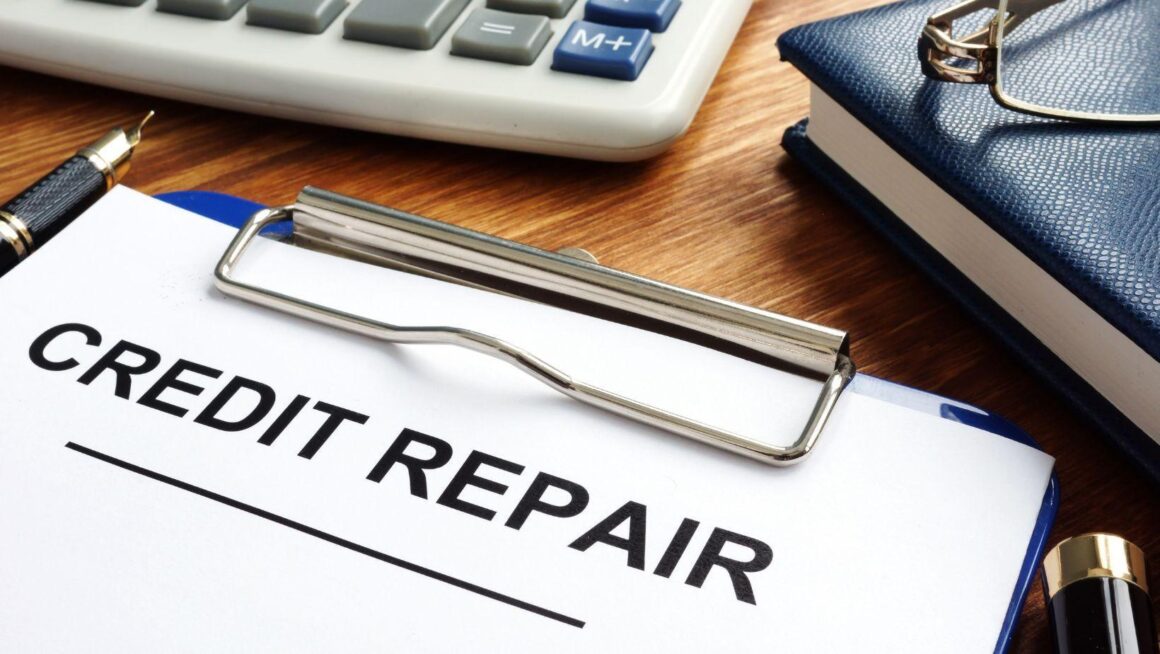
Consider a household preparing to apply for a mortgage or refinance an auto loan after a rough financial year. Their credit reports show two genuine late payments and a utility collection incorrectly listed as unpaid even though it was settled months earlier. They need to distinguish an error in the reported balance from accurate payment history. Yet an online search immediately presents ads promising dramatic score jumps in thirty days. Without organized records and careful contract reading, it can be difficult to judge what paid assistance would actually accomplish.
Everyday money habits do far more than keep a monthly budget balanced. They create the exact documentation, awareness, and financial discipline needed to tell legitimate dispute assistance apart from expensive, ineffective services. When consumers build structured habits around their credit files and cash flow, they evaluate third-party providers from a position of clarity rather than urgency.
Why Financial Habits Shape How You Evaluate Providers
Consumers may look for credit help during a stressful milestone, such as a rejected rental application or an upcoming vehicle purchase. Urgency narrows attention, making bold marketing claims look appealing. Strong day-to-day financial habits help reduce that guesswork by turning vague credit worries into concrete facts.
A consumer who reconciles statements monthly has records to compare with reported payment dates and balances. That makes it easier to investigate possible mistakes instead of assuming that every negative entry is wrong. That distinction matters because no company can legally erase accurate, current negative entries from a credit file. Recognizing the difference between an error and an accurate late payment prevents shoppers from hiring firms that promise impossible outcomes.
Consistent budgeting also clarifies what a household can actually afford to spend on administrative help. Instead of guessing whether a monthly retainer fits their cash flow, disciplined savers compare service fees directly against the cost of handling disputes themselves or paying down revolving balances.
Reviewing Your Own Credit Reports First
Before comparing any external service, a practical habit is pulling and auditing your own credit files from Equifax, Experian, and TransUnion. Consumers have the legal right to check their reports and challenge inaccurate or incomplete items directly with the bureaus and data furnishers at no cost.
When you examine your reports line by line before speaking with a representative, you gain a realistic baseline for every sales conversation. You can ask specific questions about how a provider handles a duplicate collection entry or an outdated balance rather than settling for generic assurances.
Good record-keeping makes this audit straightforward:
- Save digital or paper receipts for every settled debt, closed account, and payment confirmation.
- Highlight unfamiliar accounts, incorrect balances, or wrong dates across all three bureau reports.
- Separate reporting errors from accurate late payments, which generally remain until the applicable reporting period ends.
Once those categories are clear, you can assess whether administrative help has value. Disputing errors and building a stronger payment history are different tasks; neither promises a particular score change.
Using Routine Due Diligence to Compare Service Models
Consumers who practice careful comparison shopping for insurance, utilities, or banking bring those same standards to credit services. Rather than judging providers by flashy testimonials or bold claims, they look closely at fee structures, contract terms, and state-specific rules.
For example, someone researching regional options might review an informational guide comparing credit repair companies in Texas to see how different providers structure monthly tiers, what dispute methods they outline, and how state regulations affect local operations. Reading a directory or comparison breakdown with a critical eye helps buyers spot differences in transparency before making a phone call.
From there, strong financial habits guide the next set of questions:
- Fee timing and billing clarity: Under federal rules, credit repair organizations cannot demand or accept payment before they have fully performed the promised services. Telephone sales may face additional timing and evidence requirements under the Telemarketing Sales Rule. Ask how each charge complies with the applicable rules, not merely what the company calls its fee.
- Written contracts and cancellation rights: Careful consumers read the entire agreement before signing. Federal law requires a written contract detailing the services, total cost, estimated completion timeline, and a three-business-day right to cancel without penalty.
- Realistic communication: Reputable organizations explain what you can do yourself for free and never advise you to avoid contacting credit bureaus directly.
Spotting Red Flags Through Everyday Financial Discipline
People who track their finances closely tend to notice when numbers or promises do not add up. The Consumer Financial Protection Bureau guidance on credit repair scams warns consumers to watch out for companies that demand upfront fees, guarantee specific credit score increases, or tell clients to dispute accurate information on their reports.
Another warning sign is any suggestion to apply for an Employer Identification Number to replace a Social Security number and build a separate credit profile. Knowingly submitting false identity information on a credit application can be illegal. A proposal to create a substitute credit identity is a reason to stop and verify the advice through official consumer resources.
Similarly, a provider that refuses to send written disclosures before asking for payment information fails a basic consumer protection test. Walking away from high-pressure sales tactics is much easier when you already have a structured plan for your money.
Combining Healthy Habits With Informed Decisions
Even when a consumer hires a firm to organize disputes about genuine inaccuracies, ongoing payment habits still matter. Paying on time and keeping revolving balances manageable can support credit health, but scoring models consider several factors and results vary. Payment reminders or automatic payments may help, provided the account has sufficient funds and the amount due is checked regularly.
Regular reviews also help assess paid assistance. Ask for copies of disputes and responses, compare them with the promised work, and track unresolved issues. A credit-score change alone does not prove what caused it. If the service provides little additional value, review its cancellation terms and any remaining obligations rather than assuming every recurring charge can be stopped without notice.
Building steady financial habits turns credit comparison from an anxious search for a shortcut into a calm, practical decision. By keeping accurate records, verifying every claim against federal consumer rules, and maintaining consistent payment routines, consumers protect both their wallets and their long-term borrowing power.