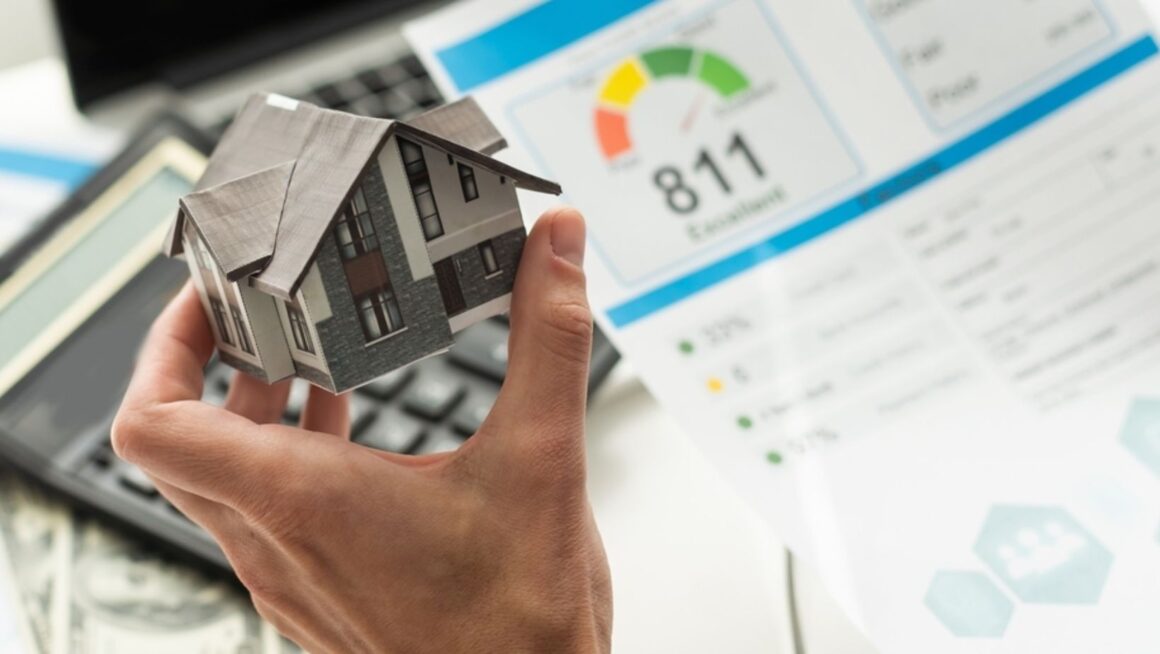
For many people facing overwhelming debt, one of the biggest concerns about filing for Chapter 13 bankruptcy is its impact on their credit score. While it’s true that bankruptcy can significantly affect your credit, it’s important to understand the full picture. For individuals already struggling with missed payments, collections, and mounting debt, Chapter 13 may actually be the first step toward rebuilding their financial future.
Rather than viewing bankruptcy as the end of your credit journey, it helps to think of it as a financial reset. With a structured repayment plan and responsible financial habits, many people successfully improve their credit over time after completing Chapter 13.
How Chapter 13 Affects Your Credit Score
When you file for Chapter 13 bankruptcy, the filing is reported to the three major credit bureaus and becomes part of your credit history. As a result, your credit score will likely decline, particularly if you had a strong credit score before filing.
However, many people considering bankruptcy have already experienced significant credit damage due to:
- Missed credit card payments
- Loan defaults
- Collection accounts
- Foreclosures
- Vehicle repossessions
- High credit utilization
In these situations, bankruptcy isn’t usually what causes the majority of the credit damage. Instead, it often follows months or even years of financial hardship that have already lowered a person’s credit score.
How Long Does Chapter 13 Stay on Your Credit Report?
A Chapter 13 bankruptcy generally remains on your credit report for seven years from the filing date. While this may sound discouraging, it’s important to remember that lenders evaluate more than just the presence of a bankruptcy.
As time passes, the bankruptcy becomes less significant, especially if you’ve demonstrated responsible financial behavior since filing. Payment history, debt management, and overall financial stability all play an important role in future lending decisions.
Why Chapter 13 Can Be Better Than Continuing to Fall Behind
Many people delay filing for bankruptcy because they’re worried about their credit score. Unfortunately, continuing to miss payments often causes even greater financial harm.
Late payments, charge-offs, collection accounts, lawsuits, and repossessions continue to accumulate, making recovery increasingly difficult.
Chapter 13 offers a structured repayment plan that allows individuals to catch up on certain debts while receiving protection from creditor collection efforts. Instead of watching financial problems grow worse each month, filers can begin working toward long-term financial stability.
For many people, stopping the cycle of missed payments is the first step toward improving their overall credit profile.
How to Start Rebuilding Your Credit
Recovering from Chapter 13 takes time, but rebuilding credit is absolutely possible. Many lenders are willing to work with borrowers who demonstrate consistent financial responsibility after bankruptcy.
Here are several strategies that can help.
Make Every Payment on Time
Payment history is one of the most important factors affecting your credit score.
Whether it’s a mortgage, car loan, utility bill, or secured credit card, making every payment by its due date helps establish a positive credit history.
Even one late payment can slow your progress, so setting up automatic payments or calendar reminders can be helpful.
Keep Credit Card Balances Low
If you qualify for new credit after bankruptcy, use it carefully.
Keeping balances well below your available credit limit demonstrates responsible borrowing habits. Financial experts often recommend using no more than 30% of your available credit, though lower utilization is generally better.
Using a credit card for small purchases and paying the balance in full each month can help strengthen your credit profile over time.
Consider a Secured Credit Card
Many people begin rebuilding credit with a secured credit card.
These cards require a refundable security deposit that typically becomes the credit limit. Because the lender assumes less risk, approval is often easier for individuals recovering from bankruptcy.
Responsible use of a secured card can establish positive payment history and improve credit over time.
Monitor Your Credit Reports
Regularly reviewing your credit reports allows you to verify that information is being reported accurately.
After your bankruptcy is completed, check that discharged debts are properly reflected and that no accounts continue reporting inaccurate balances.
Federal law allows consumers to obtain free credit reports from each of the major credit bureaus on a regular basis.
Avoid Taking on Too Much Debt
Receiving new credit after bankruptcy can be tempting, but borrowing more than you can comfortably repay may lead to future financial problems.
Instead, focus on building a manageable budget, maintaining an emergency fund, and borrowing only when necessary.
Responsible financial habits matter far more than opening multiple new accounts.
The Importance of Budgeting After Bankruptcy
Chapter 13 encourages individuals to develop disciplined financial habits through a court-approved repayment plan. Continuing those habits after completing bankruptcy can help prevent future debt problems.
A realistic monthly budget should include:
- Housing expenses
- Utilities
- Food
- Transportation
- Insurance
- Savings
- Emergency expenses
- Debt payments
Tracking your spending allows you to identify unnecessary expenses and maintain better control over your finances.
Don’t Expect Overnight Results
Credit recovery is a gradual process.
While some individuals begin seeing improvements within a year of filing or completing Chapter 13, significant improvement usually requires consistent financial responsibility over several years.
The good news is that lenders generally place greater value on recent financial behavior than mistakes made many years earlier.
With patience and responsible money management, many former bankruptcy filers qualify for credit cards, auto loans, mortgages, and other financing again.
Final Thoughts
Although Chapter 13 bankruptcy can temporarily lower your credit score, it doesn’t permanently prevent you from achieving financial success. In many cases, filing for bankruptcy allows individuals to stop the downward spiral of missed payments, eliminate overwhelming financial pressure, and begin rebuilding their credit on a stronger foundation.
The key to recovery is consistency. Making on-time payments, using credit responsibly, maintaining a realistic budget, and avoiding unnecessary debt can all contribute to long-term financial improvement.
Scura, Wigfield, Heyer, Cammarota & Gonzalez helps individuals and families throughout New Jersey navigate Chapter 13 bankruptcy and other debt relief options. By providing experienced legal guidance and practical financial solutions, the firm assists clients in protecting their assets, managing overwhelming debt, and working toward a stronger financial future.