A home renovation can improve comfort, function, and property value. But if it is not planned carefully, it can also create financial stress.
Many homeowners start with inspiration. They look at kitchens, bathrooms, flooring, paint colors, outdoor spaces, and storage ideas. This is useful, but it is not enough. A successful renovation should begin with a clear budget, realistic priorities, and a plan that protects your finances.
A beautiful home upgrade should not leave you with high-interest debt, drained savings, or unfinished work. The goal is to improve your home while still keeping your financial life stable.
Start With the Reason for the Renovation
Before setting a budget, ask why the renovation matters.
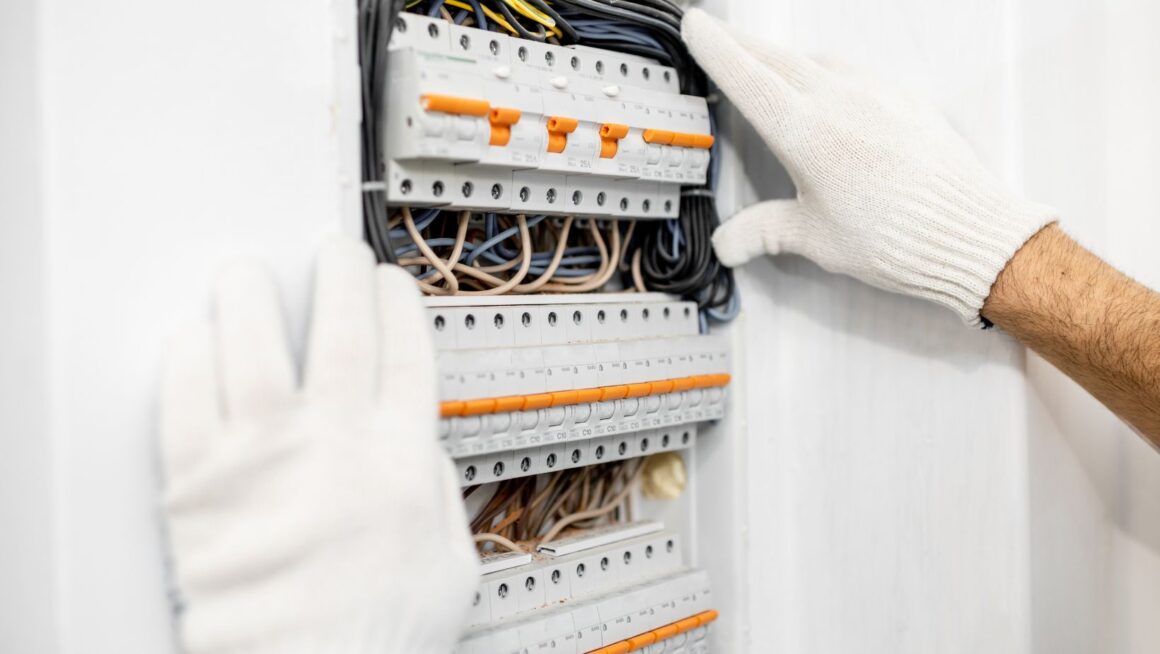
Some projects are mainly cosmetic. Others solve real problems. A dated room may be annoying, but a leaking roof, unsafe flooring, poor wiring, or water damage should usually come first.
Common renovation goals include:
Improving daily comfort
Fixing damage
Adding storage
Making the home safer
Increasing resale value
Creating more usable space
Reducing energy costs
Once you know the reason, it becomes easier to decide how much money the project deserves.
Separate Needs From Wants
One of the biggest budgeting mistakes is mixing needs and wants.
A need is something that affects safety, function, or long-term property condition. A want is something that improves style, comfort, or personal preference.
For example, replacing damaged flooring may be a need. Choosing premium imported tile may be a want. Improving a poor kitchen layout may be a need. Adding luxury fixtures may be a want.
This does not mean wants are bad. They are part of making a home feel personal. But they should not take money away from the most important work.
If you are planning a larger home update, working with a company such as GoodLife Home Renovations can help you understand what parts of the project should be handled first.
Build a Realistic Budget
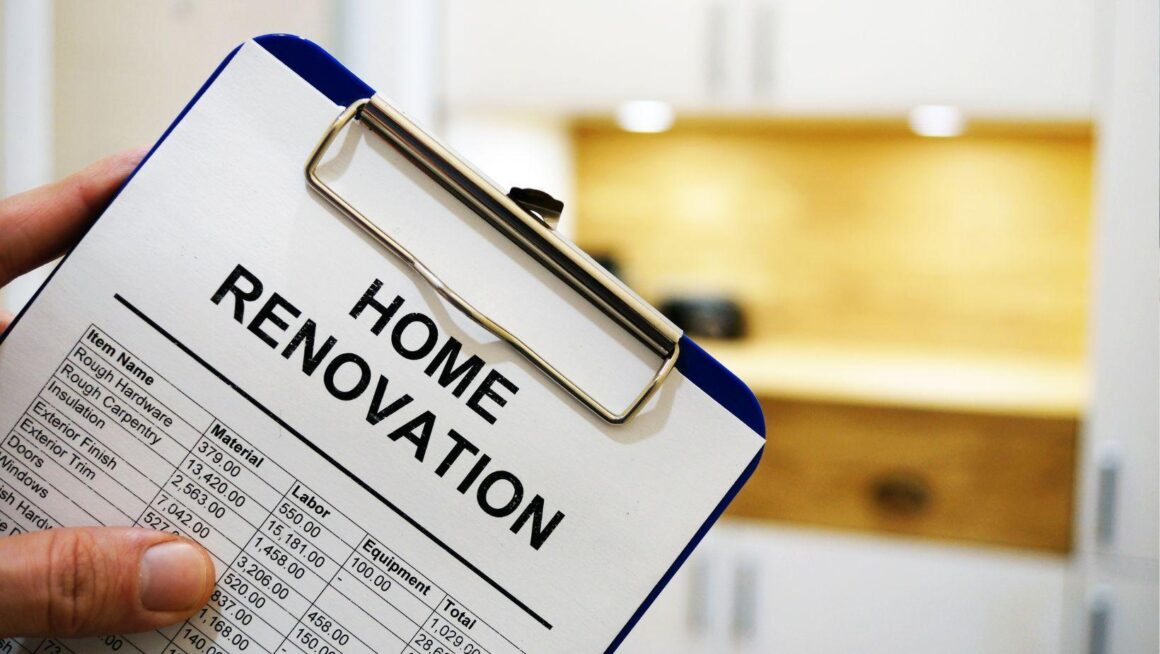
A renovation budget should include more than the obvious costs. Many homeowners only think about materials and labor, but there are often other expenses.
Your budget may need to include:
Permits
Design help
Demolition
Cleanup
Delivery fees
Temporary storage
Unexpected repairs
Finishing details
A backup amount should also be included. Renovations often reveal hidden problems, especially in older homes. Once walls, flooring, or fixtures are removed, contractors may find plumbing issues, electrical problems, mold, rot, or structural concerns.
A simple rule is to set aside an extra 10% to 20% for unexpected costs. This helps prevent panic if something changes during the project.
Avoid Financing Every Upgrade
Financing can be useful for some projects, but it should be used carefully. Not every upgrade is worth taking on debt.
Before borrowing money, compare the cost of the loan with the value of the project. Look at interest rates, monthly payments, fees, and repayment time. A renovation that seems affordable at first may become expensive if financed over many years.
If the project is cosmetic, it may be better to save first and do the work later. If the project is urgent, such as repairing serious damage, financing may make more sense.
The key is to avoid using borrowed money for upgrades that are not necessary and do not add enough value.
Focus on High-Impact Areas
Some renovations give more value than others. Kitchens, bathrooms, flooring, exterior repairs, storage, and energy improvements often have a bigger effect on daily life and resale appeal.
But this depends on the home. A family with poor storage may benefit most from built-ins or closet improvements. A homeowner with high energy bills may get better value from windows, insulation, or HVAC-related upgrades. A home with an outdated bathroom may need that project first.
Do not choose a renovation only because it is popular online. Choose the project that solves the biggest problem in your home.
Get More Than One Estimate
It is smart to compare estimates before choosing a contractor. But do not choose based only on the lowest price.
A very low estimate may leave out important details. It may not include materials, cleanup, permits, or preparation work. It may also mean lower-quality materials or rushed labor.
When comparing estimates, look at the full scope. Check what is included, what is excluded, and how changes will be handled.
Ask clear questions before signing anything. This can prevent confusion later.
Do Renovations in Phases
If the full project is too expensive, consider doing it in phases. This can help you avoid taking on too much debt at once.
For example, you may start with repairs and layout changes first. Then you can upgrade finishes later. Or you may remodel one room this year and another room next year.
Phased renovations are not always perfect, but they can be financially safer. They give homeowners more time to save, adjust, and make better decisions.
Think About Long-Term Costs
The cheapest option is not always the most affordable over time. Some materials cost less upfront but wear out faster. Others need more maintenance.
Before choosing materials, ask:
How long will this last?
How much maintenance does it need?
Will it be easy to clean?
Can it handle daily use?
Will it still look good in a few years?
A smart renovation budget should consider both the upfront cost and the long-term cost.
Protect Your Emergency Fund
A renovation should not leave you with no safety net.
Unexpected life costs still happen during home projects. Cars break down. Medical bills appear. Jobs change. Appliances fail. If all your savings go into the renovation, one surprise can create serious stress.
Before starting, decide how much savings must stay untouched. Treat that amount as protected money.
Final Thoughts
A home renovation can be a smart financial decision when it is planned carefully. It can improve daily life, protect property value, and make a home more useful.
But the best projects start with financial clarity. Know your reason, separate needs from wants, build a realistic budget, compare estimates, and avoid unnecessary debt.
If you are still comparing renovation ideas or looking for broader planning resources, a home improvement guide can help you review options before moving forward.
A good renovation should improve your home and keep your finances healthy. When both goals are planned together, the result is easier to enjoy.