

Gold always seemed like something for wealthy people. At least that is what I thought before actually looking into it. Turns out you do not need a trust fund or inheritance to start buying gold. You can begin with a few hundred dollars and build from there, just like any other investment.
The trick is understanding what options exist at different price points and avoiding the mistakes that cost beginners money.
Starting Small Is Completely Fine
A one-ounce gold coin costs around $4,600 at current prices. That is a chunk of change most people cannot casually spend. But gold comes in smaller sizes that make entry much more accessible.
Fractional gold coins come in half-ounce, quarter-ounce, and tenth-ounce sizes. A tenth-ounce American Gold Eagle runs approximately $460 to $500 depending on dealer premiums. That is roughly the cost of a car payment or a nice dinner out for two. Most people can swing that occasionally without wrecking their budget.
The premiums on fractional coins run slightly higher percentage-wise than full ounce coins. You pay a bit more per gram of gold for the convenience of smaller units. But for someone starting out, this tradeoff makes sense. Getting into the market matters more than optimizing every fraction of a percent.
Silver Offers an Even Lower Entry Point
If even fractional gold feels expensive, silver provides another path into precious metals. An ounce of silver currently costs around $85, making it far more accessible for tight budgets.
According to the Silver Institute’s annual supply and demand data, industrial demand for silver continues growing due to solar panels, electronics, and medical applications. This industrial demand adds a growth component that gold, primarily a monetary metal, does not have.
Many investors hold both metals, using silver for smaller regular purchases and adding gold when larger sums become available. The two metals often move together but not identically, providing some diversification even within precious metals.
Where to Actually Buy
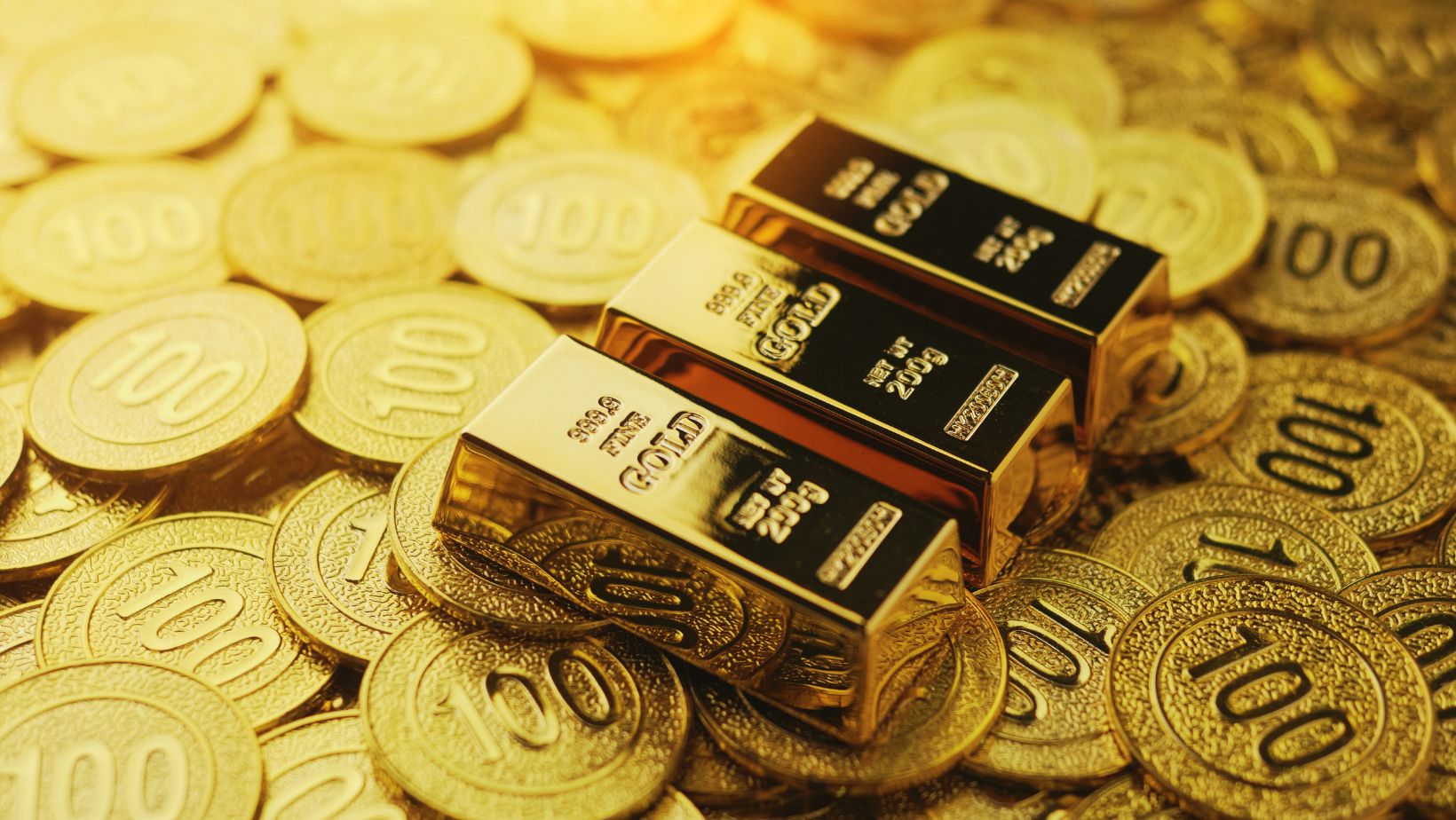
Finding a reputable dealer matters more than finding the absolute cheapest price. Shady operators exist in every industry, and precious metals attract its share.
Established dealers like USAGOLD have been in business for decades and maintain memberships in industry organizations that enforce ethical standards. They publish transparent pricing tied to spot markets and offer buyback programs when you eventually want to sell. Paying slightly higher premiums from a trusted source beats getting scammed by a fly-by-night operation.
Avoid pawn shops and random online sellers for anything beyond pocket change amounts. The few dollars saved are not worth the authentication headaches and potential fraud risk.
Building the Habit
The investors who accumulate meaningful precious metals positions usually do it gradually. They buy a coin or two when extra money appears, maybe after a bonus or tax refund. They add small amounts consistently rather than trying to time the market perfectly.
This approach works psychologically too. Each purchase feels manageable. Over years, small purchases compound into substantial holdings. Someone buying just one tenth-ounce gold coin per month accumulates over an ounce annually and more than ten ounces over a decade.
You do not need to figure out your entire precious metals strategy before starting. Buy one coin. See how it feels to hold actual gold or silver. Learn the process. Then decide whether to continue.
The Bottom Line
Starting small beats not starting at all. Fractional gold and silver exist specifically for investors who cannot write five-figure checks. The premiums are slightly higher, but you are buying real assets that have held value across centuries.
Your first purchase teaches you more than any article can. Pick a reputable dealer, choose a product within your budget, and place the order. Everything else follows from there.


