The landscape of where we keep our money has changed more in the last few years than it did in the previous fifty. If you walk down a typical main street today, you might notice something interesting. The grand, stone-faced bank buildings that once represented the height of financial security are increasingly being converted into coffee shops or trendy lofts. This isn’t just a change in real estate. It’s a fundamental shift in how we interact with our wealth. As we move through 2026, the question is no longer whether digital banking is a fad, but whether a traditional, physical bank is even necessary for your lifestyle anymore.
For some, the transition to an online-only model feels like a breath of fresh air. For others, it feels like losing a safety net. Deciding whether to leave behind the world of teller windows and safety deposit boxes is a personal choice that involves weighing some significant trade-offs.
The Clear Advantages of Going Digital
The most obvious reason people flock to digital platforms is the financial return. Honestly, it’s a matter of simple math. Traditional banks carry significant overhead due to physical branches, on-site staff, and security. Online-only institutions like the SoFi online bank operate with a leaner cost structure, which often allows them to offer more competitive interest rates and fewer fees compared to brick-and-mortar banks. In 2026, the gap between what a digital bank pays and what a “big name” legacy bank pays has widened into a chasm. For someone trying to build an emergency fund or save for a house, that difference can mean thousands of dollars over time.
Beyond the interest rates, there’s the matter of fees. We’ve all felt the frustration of a “monthly maintenance fee” or a charge for letting a balance dip too low. Most digital-first banks have largely eliminated these. They operate on a model of transparency because they know their customers can leave with a few clicks. This competition has made the digital space much more consumer-friendly. You aren’t just a number in a ledger. You’re a user whose loyalty must be earned through value rather than through the sheer difficulty of closing an account.
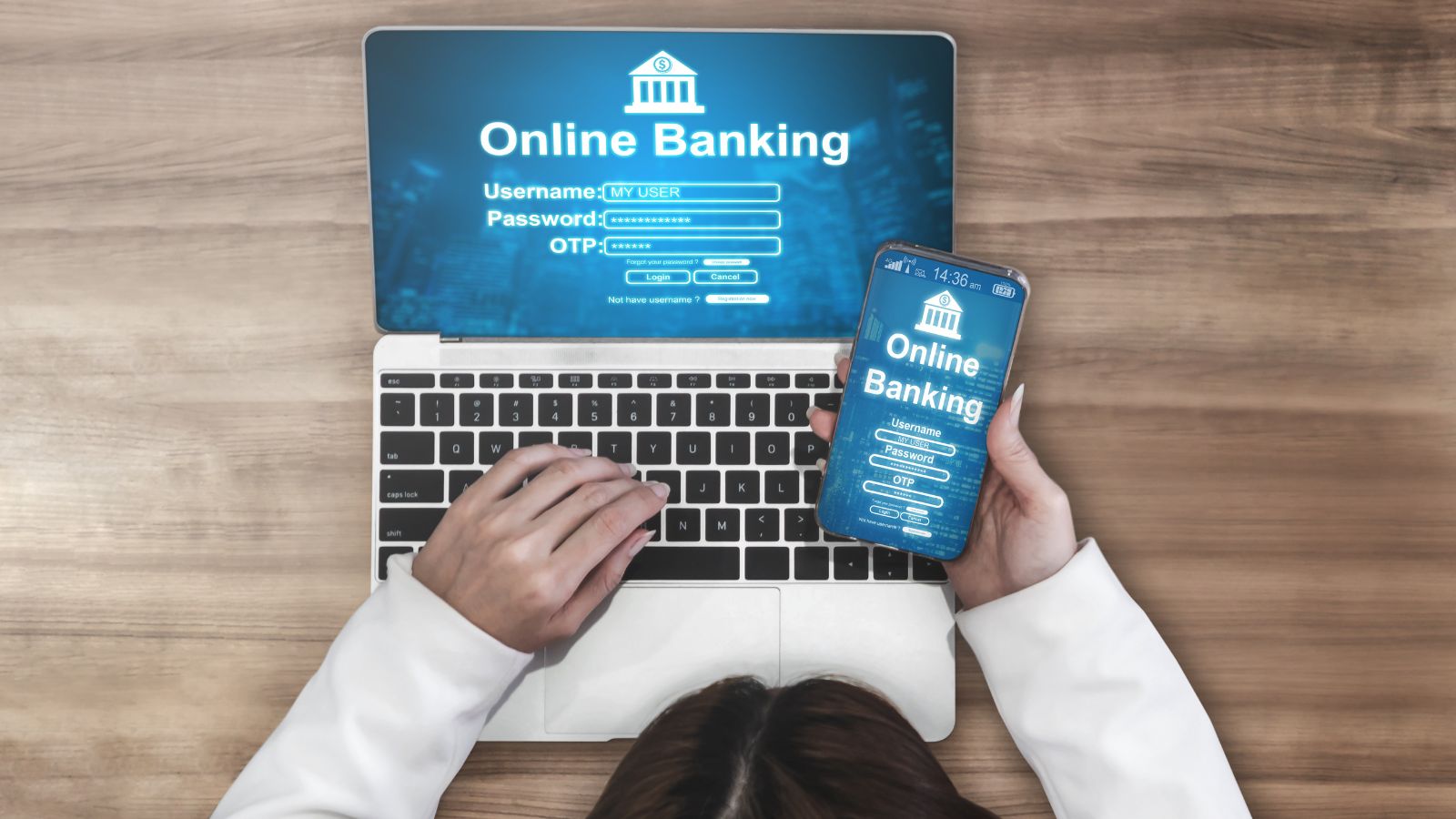
The convenience factor also cannot be overstated. In 2026, your phone is your branch. You can deposit a check while sitting in your pajamas at midnight. You can move money between accounts while waiting for a flight. The tools built into these apps are designed for the way we live now. They offer instant notifications, advanced budgeting tools that categorize every coffee and grocery trip, and the ability to freeze a lost card in seconds. For a generation that values time as much as money, the efficiency of an online-only model is hard to beat.
The Realities of the “No Branch” Life
However, it isn’t all sunshine and high yields. There are real downsides to not having a physical place to go. The most significant is the lack of face-to-face interaction. When everything is going well, you don’t need a branch. But when something goes wrong, perhaps a complex fraud issue or a mistake on a wire transfer, the value of sitting across a desk from a human being becomes very clear. Chatbots and phone queues have improved, but they can still feel impersonal and frustrating when your life savings are on the line.
Cash is another hurdle. If your life involves a lot of physical currency, online-only banking can be a headache. While many digital banks have partnered with massive ATM networks to allow fee-free withdrawals, depositing cash is a different story. You often have to find a specific retail partner or use a complicated workaround. If you’re a small business owner who deals in cash daily, an online-only bank is likely not going to be your primary partner.
Then there’s the psychological element of security. Even though digital banks in 2026 use biometric scans and military-grade encryption, some people simply feel better knowing their money is “somewhere” they can see. There’s a specific type of anxiety that comes with a server going down or an app glitching during a time of financial stress. While your funds are insured by the federal government just like at a traditional bank, the feeling of digital isolation during a technical hiccup is a valid concern.
Finding the Right Balance
So, is online-only banking right for you? The answer depends on your “financial personality.” If you’re tech-savvy, rarely use cash, and prioritize earning the highest possible return on your savings, the move is almost a no-brainer. The perks of high-yield accounts and seamless apps far outweigh the rare need for a physical teller.
On the other hand, if you value the relationship with your local banker or if you frequently deal with complex financial transactions that require a lot of “hand-holding,” you might find the digital world a bit cold. Many people in 2026 are finding a middle ground. They keep a small account at a local credit union for cash needs and the occasional in-person service, while moving the bulk of their savings to a high-yield online institution to maximize growth.
Navigating the Choice
Choosing a bank is one of the most important daily decisions we make. It’s where our hard work is stored and where our future goals are funded. As we look at the options available this year, it’s clear that the “online vs. traditional” debate is less about which one is “better” and more about which one fits your specific life. The digital revolution has given us more power than ever before, but with that power comes the responsibility to understand the tools we are using.
Whether you decide to go fully digital or stay with the familiar brick-and-mortar model, the key is to be proactive. Don’t let your money sit in an account that charges you for the privilege of holding it. Look at the rates, test the apps, and find the partner that actually helps you move forward. The bank of the future isn’t a building. It’s the service that makes your financial life easier and more rewarding.