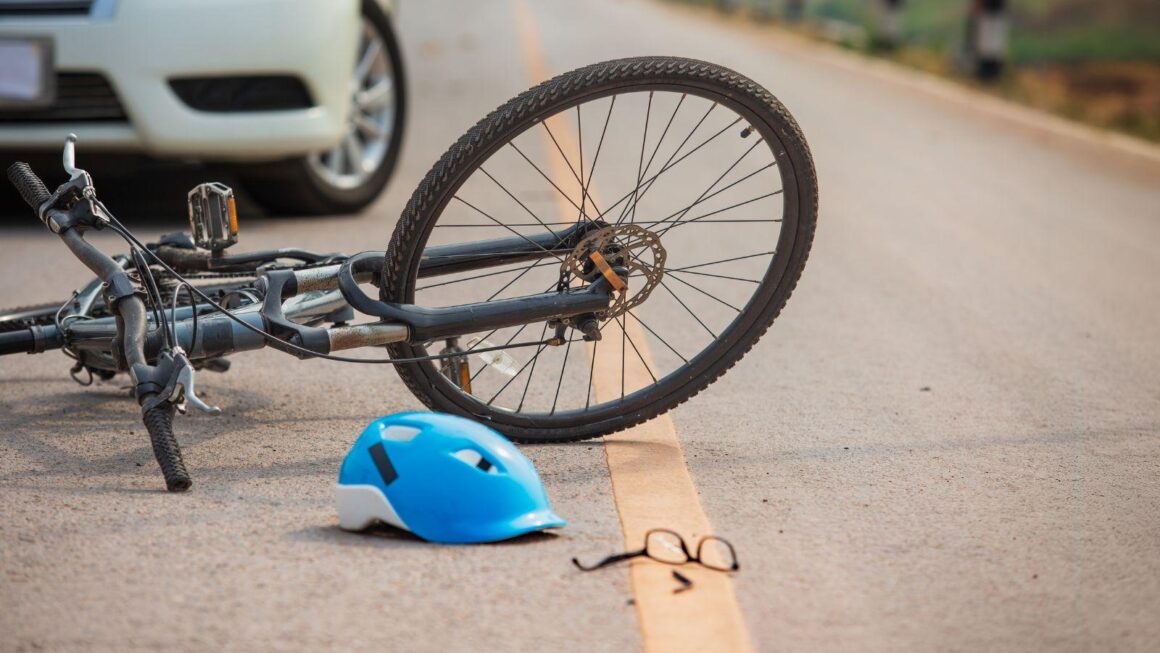
Bike commuting in New York is up across every borough. Citi Bike memberships, delivery e-bikes, food-runner mopeds, and weekend riders all share the same crowded streets. Accidents track quietly with that growth, and the financial fallout is bigger than most riders expect — not because medical care is bottomless, but because the way insurance covers a bike crash in New York is a patchwork most people don't read until they need it.
If you ride in the city, planning for the worst case takes about an hour. The costs of not planning can take years to unwind.
The Cost Layers People Underestimate
A serious bike-vs-car incident in NYC typically pulls money out of a rider's life from at least four directions at once:
A rider with $4,000 of bike gear and a $7,500 health-insurance out-of-pocket max, off work for six weeks, can be $20,000 down before the case is anywhere near resolved.
Nyc's No-Fault Pip Covers More Than Most Riders Realize
Here's the part that surprises people. When a cyclist is hit by a motor vehicle in New York, the driver's auto policy is the primary source of no-fault benefits, not the cyclist's health insurance, not the cyclist's auto policy (if they even have one), and not their renters insurance.
Under New York Insurance Law § 5102, the no-fault Personal Injury Protection (PIP) coverage attached to that driver's vehicle pays for:
The catch: you have to file the no-fault application (form NF-2) with the driver's insurer within 30 days of the accident. Miss the deadline and the carrier will deny PIP outright. Riders who go to the ER, focus on healing, and put paperwork aside for a month often discover the 30-day clock has run.
What Happens When The Driver Is Uninsured
About 6% of New York drivers are uninsured at any given time, and the number is higher among the for-hire fleet that didn't bother to renew. If you're hit by one of them, no-fault PIP routes through the Motor Vehicle Accident Indemnification Corporation, a state-mandated fund that fills the gap. MVAIC has its own filing requirements and a 90-day notice deadline from the date of the accident. The same rule applies for hit-and-runs.
If you carry SUM (Supplementary Uninsured/Underinsured Motorist) coverage on your own auto policy, that's a third option that often pays out faster than MVAIC for a serious case.
The practical takeaway: a serious bike crash in New York frequently involves filing claims against two or three separate insurers in the first 30 to 90 days, while the rider is still recovering. Riders who try to do it alone after a hospitalization often miss a deadline somewhere.
What Sits On You Vs. What Sits On The Driver
PIP covers up to its policy limit and stops. Anything beyond that (long-term care, full lost wages, pain and suffering, future earning capacity, gear replacement) is a separate question of fault and damages, which is where most riders end up needing a bicycle accident lawyer in Queens or the borough where the crash happened to step in. The legal claim against the driver (or their employer, if it was a delivery worker on the clock) is what recovers the difference between the PIP payout and the rider's actual financial loss.
This is also where the deadlines start to matter the most. The general personal-injury statute of limitations in New York is three years from the date of the accident. If a city vehicle was involved (an MTA bus, a Sanitation truck, a Parks worker), a 90-day Notice of Claim deadline applies on top, and missing it can end the claim against the public entity entirely.
A One-Hour Financial Check Every Rider Should Do
Most of this is preventable through one boring spreadsheet exercise before you ride your next mile:
None of this is fun to think about on a Saturday morning. It's also the cheapest insurance you'll ever buy against the worst version of a Tuesday commute.
The Financial Bottom Line
The NYC bike network is now serious infrastructure, and the financial system around it hasn't quite caught up. Riders who treat their gear, insurance, and emergency paperwork the way drivers treat theirs end up far better positioned if they ever need to use any of it. The cost of being prepared is one careful hour. The cost of not being prepared can run into five figures and several lost months of work.
If you ride in the city, the smart move is doing the boring planning now, while you're upright and healthy. Future you will appreciate it.