Oilfield work has a reputation for being tough, and it earns it. Long days, heavy equipment, scorching heat, and remote locations are all part of the job. Most people picture the obvious risks, like spinning pipe, swinging chains, and massive machinery that can crush or strike a worker.
Some of the most serious dangers, though, can't be seen at all. Toxic gases drift invisibly, pressure builds silently inside lines and wellheads, and fatigue creeps in slowly over a long hitch. These threats often give little warning before something goes wrong.
That combination of visible and invisible hazards makes oilfield safety a constant balancing act. Crews have to watch the machinery in front of them while also guarding against dangers they can only detect through monitors, training, and careful procedures.
Why Oilfield Work Carries Such Serious Risks
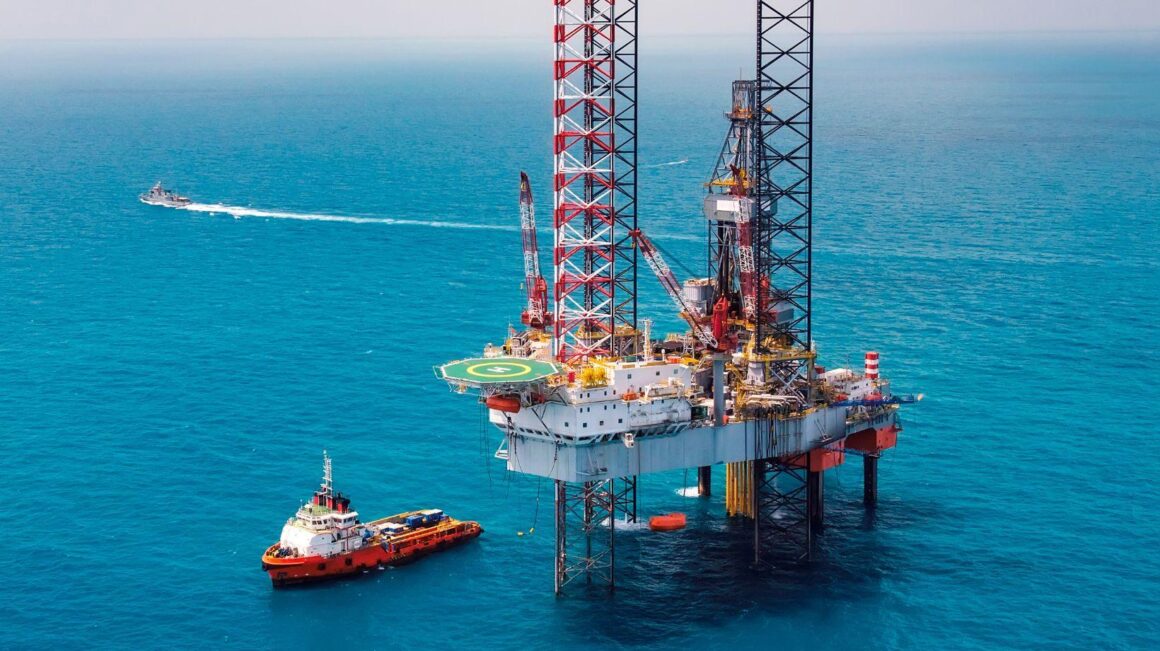
Heavy machinery is everywhere on a drilling site. Rigs, cranes, pipe-handling equipment, and trucks create struck-by and caught-in hazards that can cause catastrophic injuries in seconds. Vehicle crashes are another major risk, since crews often drive long distances on rural roads.
High-pressure equipment and hazardous atmospheres add more danger. Remote locations can delay emergency care, and demanding schedules with long shifts and extended hitches can wear workers down physically and mentally over time. At some remote sites, help may be a long drive away.
Just how dangerous is oilfield work? Federal safety research paints a troubling picture. According to the National Institute for Occupational Safety and Health (NIOSH), oil and gas extraction workers have historically faced workplace fatality rates several times higher than the national average, with transportation accidents among the leading causes of death.
The Toxic Gases That Can Become Deadly Without Warning
Hydrogen sulfide is one of the most feared hazards in the oilfield. At low concentrations, it smells like rotten eggs, but higher concentrations can deaden the sense of smell, leaving workers unaware of rising danger. Exposure at high levels can be fatal very quickly.
Oxygen-deficient atmospheres pose another serious threat, especially in tanks, pits, and confined spaces. Other gases can displace oxygen without any obvious sign, and a worker can lose consciousness within moments of entering an unsafe area. Low-lying areas can trap heavier gases too.
That's why gas detection systems and personal monitors are essential. Continuous monitoring, proper ventilation, respiratory protection, and clear evacuation procedures help protect workers. Training crews to recognize alarms and respond immediately can mean the difference between life and death.
How Extreme Pressure Can Turn Equipment Into a Hazard
Drilling and production rely on enormous pressure, both from underground formations and from pumping equipment at the surface. When everything works, that pressure is controlled. When something fails, it can be released with explosive force. Respect for that energy is a core part of oilfield training.
Pressurized lines, hoses, and connections can rupture or whip violently if they're damaged, worn, or improperly secured. Unexpected releases can send fluids, gas, or debris flying across a work site, striking anyone nearby. Restraints and whip checks help reduce that danger.
Well-control failures are among the most dangerous events in the industry. Blowouts can release gas and fluids uncontrollably, sometimes leading to fires or explosions. Proper equipment maintenance, testing, and well-control procedures are critical safeguards against these disasters.
Why Fatigue and Human Error Can Make Dangerous Work Even Riskier
Oilfield schedules can be grueling. Twelve-hour shifts, extended hitches, and long drives to and from remote sites leave little time for rest. Physical exhaustion and mental fatigue can slow reactions and cloud judgment when sharp attention matters most.
Communication failures add risk too. Noisy environments, shift changes, and crews from multiple companies working side by side can lead to misunderstandings. A missed warning or unclear instruction can set off a dangerous chain of events. Clear handoffs at shift change help close those gaps.
Training deficiencies can make things worse, especially for newer workers. Strong safety systems are designed to catch mistakes before they become disasters, using procedures, checklists, permits, and stop-work authority to protect people when human error inevitably happens.
Conclusion
Oilfield work combines obvious hazards like heavy machinery with invisible threats like toxic gases, hidden pressure, and creeping fatigue. That mix makes it one of the more dangerous occupations in the country. Many of those risks are preventable.
Effective training, continuous monitoring, and well-maintained equipment are essential defenses. Emergency planning helps ensure crews know exactly what to do when alarms sound or something unexpected happens on site. Regular drills keep those responses sharp when stress runs high.
Strong safety cultures protect workers from dangers they can't always see. When companies invest in prevention and workers feel empowered to speak up, oilfield operations can reduce risks and help more crews return home safely after every shift.