A clogged kitchen sink has a remarkable talent for appearing at the worst possible moment. Suddenly, dirty water refuses to disappear, and reaching for the nearest drain cleaner seems perfectly reasonable. For a homeowner in Brookfield, however, an inexpensive DIY solution can sometimes create a much larger plumbing problem. Harsh chemicals, unsuitable tools, and repeated attempts to force a blockage through the pipes may lead to damage that requires professional repairs.
Understanding what happens inside a clogged drain helps explain why experienced plumbers approach these situations carefully. The right cleaning method depends on the obstruction, pipe condition, and location of the problem.
The Temptation of an Instant Solution
When water begins collecting around a shower drain or kitchen sink, convenience often determines the next move. A bottle promising to dissolve stubborn clogs sounds appealing, especially when a professional appointment seems unnecessary.
Unfortunately, drainage problems have different causes. Hair, soap residue, cooking grease, foreign objects, and mineral deposits can all restrict wastewater flow. Some blockages develop gradually, while others appear suddenly when an object becomes trapped.
A chemical product designed for one type of buildup may accomplish very little against another obstruction. Repeated applications can leave hazardous substances sitting inside the plumbing system.
Professional assessment helps identify what actually needs cleaning before choosing a suitable solution.
Chemical Cleaners Can Introduce Unexpected Hazards
Many commercial drain cleaners contain highly caustic or acidic ingredients. These substances can cause serious burns if they contact skin or eyes, and splashing becomes particularly dangerous when a drain is already filled with standing water.
Mixing different cleaning products can create hazardous reactions. Even ordinary household chemicals may release dangerous gases when combined with incompatible substances.
Certain products can also damage vulnerable plumbing components, depending on their formulation, concentration, contact time, and pipe condition.
A homeowner should never mix drain cleaning chemicals or attempt unfamiliar combinations. If a product has already been used, informing the plumber is essential because residual chemicals may remain inside the drain.
Improvised Tools Can Damage Hidden Plumbing
A wire hanger or similar household object may seem useful for removing debris near a drain opening. However, forcing an unsuitable tool deeper into a pipe can scratch components, damage connections, or push the obstruction farther into the system.
Older plumbing deserves particular caution. Corroded metal pipes, fragile fittings, and deteriorated seals may already be vulnerable to mechanical stress.
A blockage might also sit beyond a bend where improvised tools cannot reach effectively. Excessive force can turn a manageable clog into a damaged drain assembly.
Professional technicians use equipment designed for particular pipe diameters and materials. Their experience helps determine how much pressure or mechanical movement is appropriate.
Drain Snakes Require More Skill Than Expected
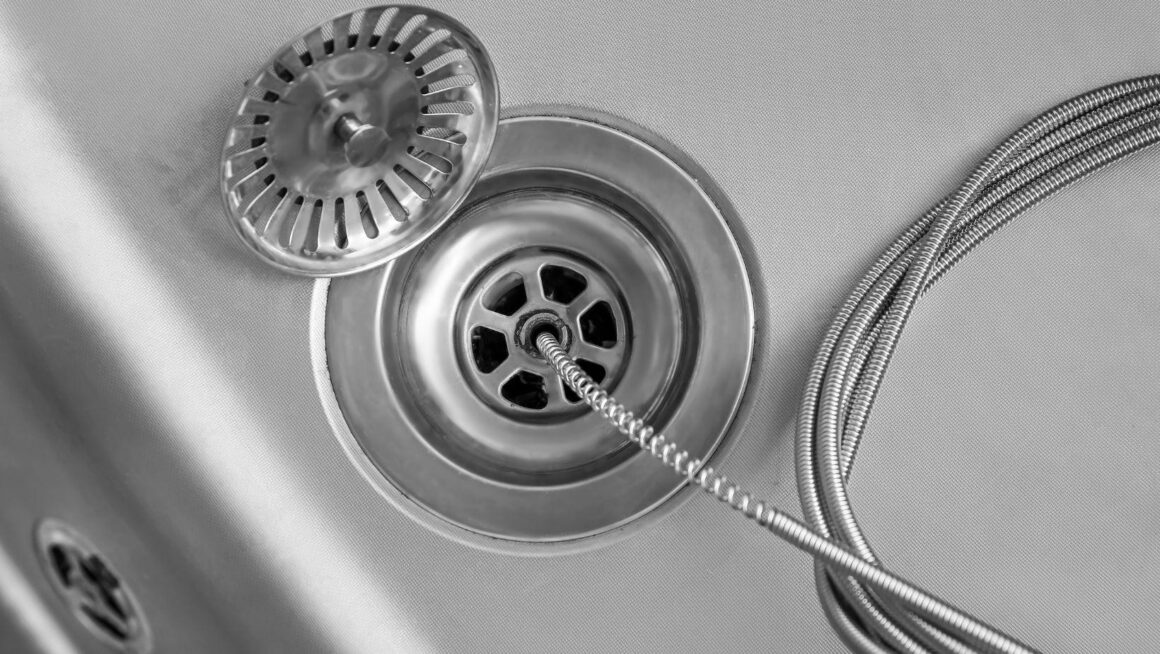
Mechanical drain snakes can remove many common obstructions, making them useful tools in professional plumbing work. Still, operating one correctly requires an understanding of the drainage system.
A cable that encounters resistance may be meeting a blockage, a sharp bend, or a damaged section of pipe. Continuing to force it forward can damage the cable, trap the equipment, or harm vulnerable plumbing.
Motorized machines introduce additional injury risks when handled without proper training.
An experienced plumber selects the appropriate cable and cutting attachment based on the suspected obstruction. Careful operation helps remove buildup while reducing unnecessary stress on the pipe.
Hydro Jetting Needs Professional Judgment
Hydro jetting uses pressurized water to remove grease, sludge, and other deposits from suitable drainage pipes. Under appropriate conditions, the technique can clean pipe walls more thoroughly than methods that simply open a passage through accumulated debris.
However, high water pressure must be matched to the plumbing system. Older, weakened, or seriously damaged pipes may require repairs or alternative cleaning methods.
A professional may recommend a camera inspection before hydro jetting to evaluate pipe condition and identify structural concerns.
The equipment also requires trained handling because pressurized water can cause severe injuries. Proper preparation and controlled operation are essential parts of the service.
A Recurring Clog Usually Deserves Investigation
A sink that drains normally after cleaning may appear repaired. When the same problem returns a few weeks later, the original obstruction may have been only partially removed.
Repeated clogs can indicate grease accumulation, root intrusion, inadequate drainage slope, or damaged piping. Some problems develop deeper within the system, where ordinary cleaning methods cannot address the cause.
Professional plumbers may use specialized cameras to inspect accessible drainage lines and locate persistent restrictions.
That information helps determine whether cleaning will provide a reasonable solution or whether pipe repairs are necessary. Identifying the underlying issue can prevent repeated expenses and unexpected wastewater backups.
Sewage Backups Can Create Sanitation Concerns
A clogged bathroom sink is inconvenient. Wastewater backing up through a floor drain or toilet presents a different level of concern because sewage may contain harmful microorganisms.
When several fixtures begin draining slowly or wastewater appears in an unexpected location, the problem may involve a shared branch drain or main sewer line.
Continuing to use plumbing fixtures can increase the amount of wastewater entering an already restricted system.
A professional can assess the situation, locate the obstruction, and recommend appropriate cleaning or repair procedures. Avoiding contact with contaminated water and arranging prompt assistance helps protect the property and its occupants.
Professional Service Can Reduce Long-Term Expenses
DIY cleaning products may appear inexpensive, but repeated purchases, ineffective treatments, and accidental pipe damage can increase the overall cost of resolving a drainage problem.
A qualified plumbing company approaches the work through diagnosis, equipment selection, and appropriate testing. The plumber can explain the suspected cause, recommend a cleaning method, and identify any repairs that require attention.
Before authorizing service, request information about diagnostic charges, cleaning costs, and possible additional work.
Transparent estimates and clear communication help a homeowner understand the value of the proposed service and avoid unnecessary spending.
Keeping Drains Clear Starts With Better Habits
Professional cleaning can restore drainage performance, but everyday habits also influence how quickly buildup returns.
Avoid pouring cooking grease into sinks, use suitable strainers to catch hair and food particles, and keep inappropriate materials out of toilets. These simple practices can reduce common restrictions.
Recurring odors, gurgling sounds, or unexplained slow drainage deserve attention before a complete blockage develops.
A dependable plumber can recommend maintenance based on the property’s plumbing condition and actual usage. With appropriate cleaning methods, timely inspections, and sensible prevention, a homeowner can protect the drainage system while avoiding the expensive surprises that sometimes follow an innocent attempt at a quick fix.