Many small restaurant owners turn to technology to improve performance. It feels exciting, modern, and often comes with the promise of efficiency. Yet a quieter truth is starting to circulate through the industry. Furniture, the part of a dining room that guests touch and feel every minute of their visit, often delivers a more substantial and faster return on investment than the latest digital upgrade.
This shift in thinking is not about dismissing technology. It is about recognising how people behave when they step into a restaurant. They respond first to comfort, space, and atmosphere. They notice how easy it is to settle into a chair, how generous the tabletop feels, and whether the room encourages conversation or makes them want to leave quickly. When these elements work together, revenue responds more reliably than when a business invests in tools customers never see.
Studies from hospitality research groups show that comfortable seating and better spatial flow can increase guest dwell time by up to twenty-five percent. That simple extension often leads to larger orders and higher overall spending, which is why restaurant furniture upgrades have become such a powerful alternative to expensive tech purchases.
The First Impression That Shapes Spending
People decide how they feel about a restaurant within moments. A welcoming atmosphere encourages them to stay, while an uncomfortable layout pushes them out faster than expected. Most diners will never mention this directly, but their behavior reveals the truth. When chairs feel supportive, and restaurant tables offer enough space for plates, drinks, and phones, guests relax into the experience rather than constantly adjusting.
This emotional ease carries real financial weight. A guest who stays even ten minutes longer typically orders more, whether that means an extra drink or a shared dessert. Many small restaurants overlook how powerful this can be because the change appears subtle. Yet subtle improvements often create the strongest loyalty. Furniture is a direct line to that experience because it shapes every moment guests spend in the room.
Changes like upgrading from metal chairs to upholstered dining chairs or increasing table stability often immediately shift the atmosphere. People linger, talk, and order without feeling rushed. Technology struggles to achieve the same emotional impact, primarily when it operates behind the scenes, where customers never feel its effect
Furniture also influences how staff move through the room. Better spacing reduces accidental bumps and awkward traffic patterns. When employees feel less pressure navigating the space, guests sense that calm and respond with greater comfort.
Why Tech Alone Rarely Changes the Dining Experience
Technology promises speed, automation, and analytics, but small businesses often discover that these tools require ongoing costs, training, or maintenance that reduce the overall ROI. A new system might look impressive, yet it might not change what guests actually experience during their visit.
Guests rarely notice a new back-end ordering feature. They will, however, see if their seat feels unsteady or if the table is too small for a complete meal. In many cases, a restaurant earns more by improving the furniture than by adding another digital tool. Even simple changes carry outsized results. A more comfortable bar stool can transform slow corners of a room into profitable seating zones. A larger set of dining tables can increase service capacity without needing new software.
There is also a psychological element at play. People trust environments that feel well-cared-for. When furniture shows age, wobble, or discomfort, guests assume larger problems exist behind the scenes. When the seating feels solid, and the tables feel clean and spacious, guests assume everything else is handled with similar care.
Tech cannot deliver that immediate sense of trust. Furniture can.
The Revenue Effect of Better Seating
Restaurants that update their seating often notice improvements long before they finish calculating monthly reports. Guests stay longer during busy hours, and slower afternoons start to gain new energy. This shift is not theoretical. Industry surveys show that nearly 40% of diners choose restaurants based on comfort as much as on food quality.
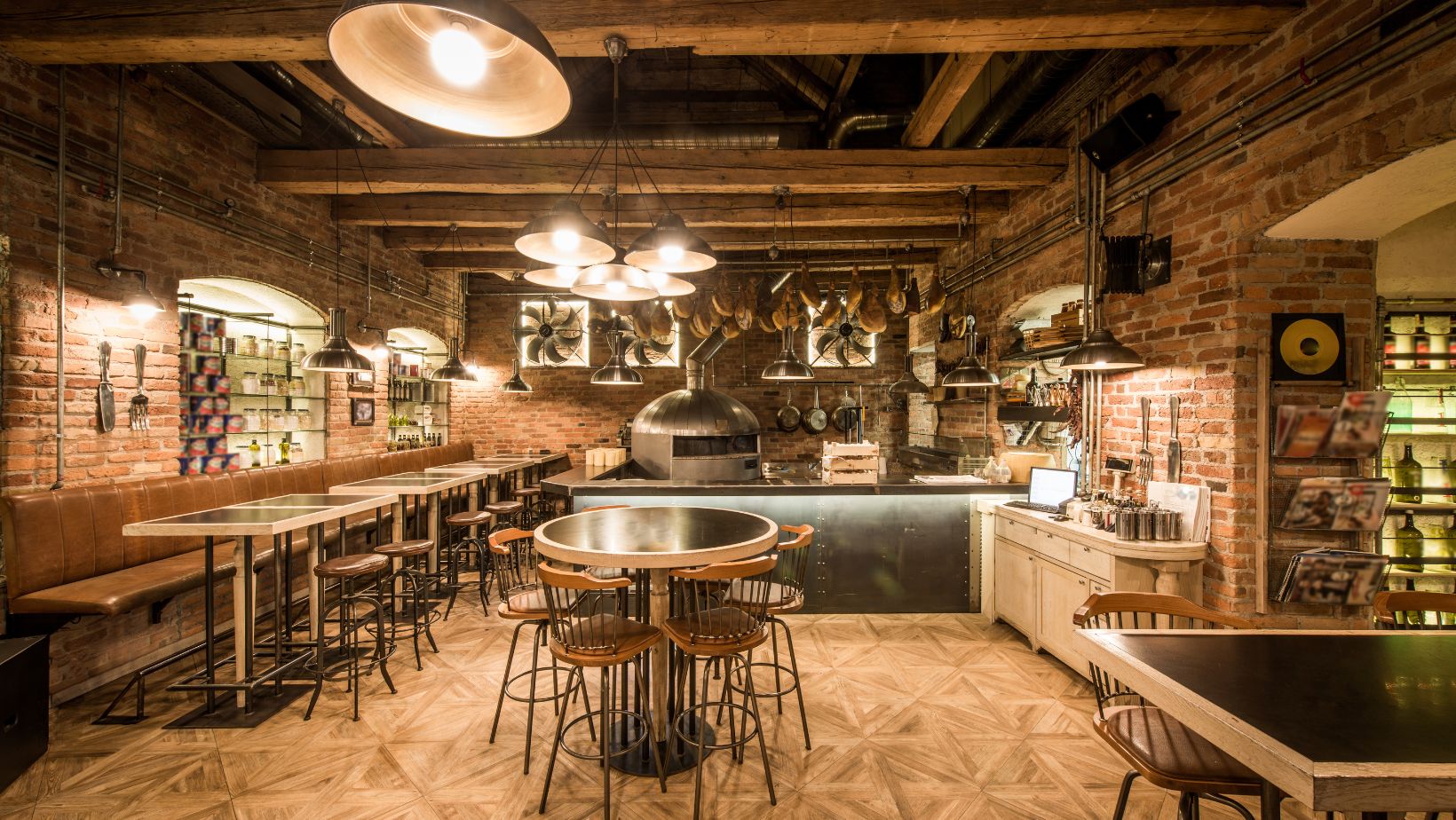
Comfortable restaurant chairs and well-spaced tables also encourage group dining. When people feel confident, they can sit for a while without discomfort, and they invite friends and family more often. Larger group orders follow naturally. These social dynamics increase revenue without requiring extra software, new staff training, or subscription fees.
Another subtle boost comes from table turnover patterns. When guests are comfortable, they behave more predictably. They spend an appropriate amount of time at their meal without rushing through it or leaving too quickly. This natural rhythm helps servers manage more tables with less stress. The room flows more smoothly, and guests enjoy the experience.
Furniture upgrades also tend to last much longer than tech investments. While a new device may require replacement within a few years, solid-wood tables, metal restaurant chairs, or commercial-grade booths can continue to generate value for a decade or more.
Where Furniture Creates the Strongest ROI
Not all upgrades carry the same impact. Specific categories consistently deliver higher returns for small restaurants. Chairs are at the top of the list because guests feel them constantly. A comfortable chair improves posture, reduces fidgeting, and extends visits almost automatically.
Restaurant tables are another high ROI upgrade. Larger or more stable tables support bigger orders, reduce spills, and allow servers to present dishes more confidently. A well-chosen table layout changes customer flow and increases the number of guests a dining room can accommodate.
Bar seating also plays a strategic role. Sturdy bar stools with supportive backs encourage solo diners and small groups to settle comfortably. Bars often generate some of the highest profit margins in restaurants, so improving comfort in this area yields measurable gains.
Even minor adjustments, such as choosing chairs with higher weight capacity or selecting tabletops that resist heat and stains, create long-term savings. Repairs decrease. Replacements become rare. Staff work more efficiently because they spend less time managing wobbly or fragile furniture.
Looking Ahead as Small Businesses Rebalance Investments
Restaurant owners are beginning to recognise that the most profitable improvements often come from the simplest places. Comfort, atmosphere, and emotional ease determine how long a guest stays and how positively they feel about their visit. Furniture shapes these moments in a way technology cannot easily replicate.
Owners who focus on these foundational elements see stronger customer satisfaction, more predictable spending patterns, and higher repeat visits. These gains often appear faster and last longer than those tied to new digital systems.
A Final Thought on Value
Small businesses do not need to chase every new tool on the market. A dining room built with supportive seating, thoughtful table arrangements, and commercial-grade durability can outperform most tech upgrades in both revenue and long-term reliability.
Furniture speaks directly to guests the moment they walk in. When it feels right, the entire experience rises. And when the experience increases, so does the return on investment.