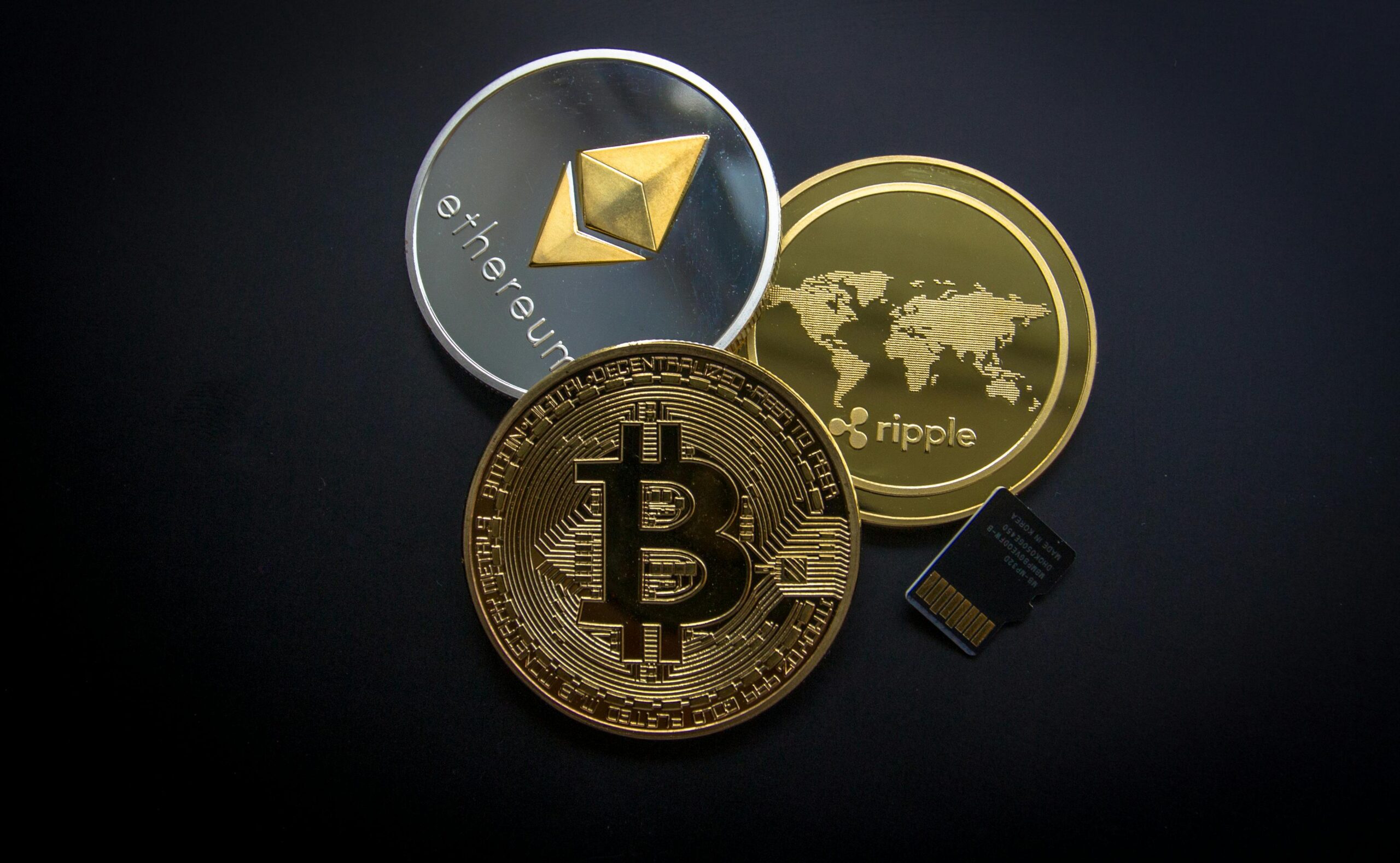
XRP, the native token of the XRP Ledger developed by Ripple, experienced a transformative year in 2025 marked by long-awaited regulatory clarity and growing institutional adoption. The cryptocurrency began the year on a high note, surging from late-2024 levels to an all-time high of around $3.65 in July, driven by the final resolution of Ripple’s multi-year legal battle with the U.S. Securities and Exchange Commission. However, the second half brought volatility, with prices retreating amid broader market corrections, stabilizing near $1.90–$2.00 by mid-December.
As global interest in blockchain-based payments intensifies, entrepreneurs exploring crypto ventures often consider favorable jurisdictions like Dubai. Obtaining a crypto license in Dubai cost is not overly expensive, and a professional team from LegalBison can assist in securing it quickly without legal complications, enabling seamless entry into this dynamic market.
Key Events Shaping XRP’s Trajectory
The defining moment came in August when the SEC and Ripple mutually dismissed appeals, concluding the lawsuit with a $125 million fine for Ripple—far below the initially sought penalties. This settlement affirmed that secondary market sales of XRP were not securities, removing a major overhang that had suppressed the token for years. Prices initially spiked, reflecting renewed investor confidence.
Institutional momentum accelerated with the launch of multiple spot XRP ETFs in the U.S., attracting inflows approaching $1 billion by December. These products, listed on exchanges like Cboe and Nasdaq, broadened access for traditional investors. Ripple further bolstered its ecosystem by launching the RLUSD stablecoin, expanding partnerships with entities like BNY Mellon for custody and Mastercard for integration into credit card settlements. Acquisitions, such as the $1.25 billion purchase of prime broker Hidden Road, positioned Ripple as a bridge between traditional finance and digital assets.
Price Performance: Peaks and Pullbacks
XRP’s rally peaked in mid-summer at over $3.50, fueled by ETF approvals and positive macroeconomic signals, including U.S.-China trade developments. The token benefited from Ripple’s expanding global reach, with new corridors in regions like Latin America and the Middle East enhancing on-demand liquidity. Yet, from July onward, broader crypto market pressures—tied to Bitcoin’s fluctuations and risk-off sentiment—triggered a decline. Repeated rejections at the $2.00–$2.50 resistance levels led to sideways trading, exacerbated by exchange outflows and profit-taking.

Technical indicators reflected caution, with RSI showing oversold conditions at times but failing to sustain breakouts. Despite strong fundamentals, including CME’s spot-quoted XRP futures and multichain RLUSD expansions, near-term price action remained range-bound around $1.90, underscoring the influence of macro factors over asset-specific news.
Outlook for 2026: Expert Predictions and Growth Potential
Looking ahead to 2026, analysts anticipate renewed upside for XRP as institutional infrastructure matures. Experts from platforms like CoinCodex and Changelly forecast prices ranging from $2.00 to $3.44 early in the year, with optimistic scenarios pushing toward $5–$10 if ETF inflows persist and Ripple’s payment volumes grow. Standard Chartered’s longer-term view supports $12.50 by 2028, while commentators like YoungHoon Kim predict new all-time highs, citing XRP’s role in cross-border settlements and tokenized finance.
Bearish voices, including some at Finance Magnates, caution that sustained breaks above $3 could require broader market recovery, but the consensus leans bullish on adoption drivers like RLUSD integrations and potential central bank collaborations. With regulatory hurdles largely cleared, XRP appears poised for steady appreciation in 2026, potentially reclaiming summer 2025 highs amid expanding real-world utility.