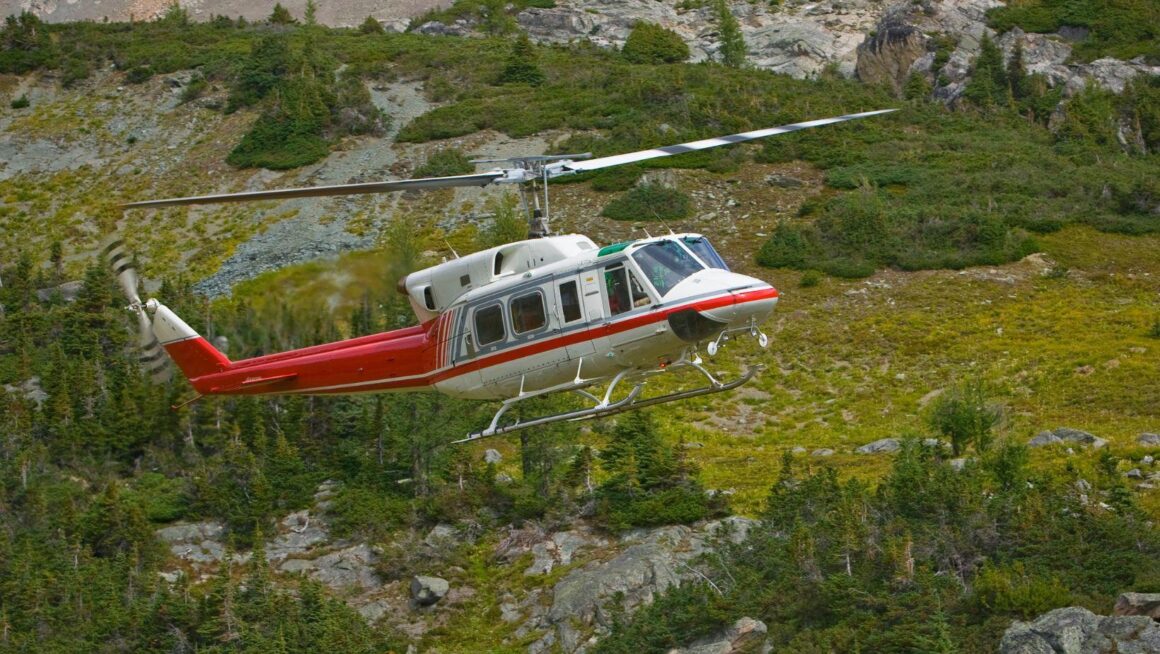
There is a particular kind of excitement that comes from watching the landscape shrink beneath a helicopter. Coastlines bend into unexpected shapes, waterfalls appear between green ridges, and roads become thin lines across the hills. For someone considering a Kauai helicopter tour company, the promise of those views is often enough to spark the idea of booking a flight. Yet the people organizing the experience have just as much influence on the memories that come home afterward.
A worthwhile tour brings together thoughtful route planning, clear communication, suitable aircraft, and pilots who understand both their destination and their responsibilities. Knowing what to look for makes the adventure easier to enjoy.
A Carefully Chosen Route Tells a Better Story
A scenic flight lasts only so long, which makes every minute valuable. A professional operator designs routes around the landscape, the aircraft’s capabilities, and visibility conditions. The aim is to give passengers a meaningful impression of the destination during the flight.
On an island, that might mean viewing rugged cliffs, deep valleys, and stretches of coastline that are difficult to appreciate from the road. In a mountain region, the experience could center on ridgelines and changing terrain.
Ask which landmarks a tour typically includes and how routes may change. Responsible providers describe likely highlights without treating every sighting or viewpoint as guaranteed.
The Pilot Adds Context to the Scenery
The best views naturally invite questions. How did that valley form? Why does the coastline change so suddenly? What lies beyond the next ridge?
When workload and conditions permit, a knowledgeable pilot can explain the geography and point out features that passengers might miss. That commentary gives shape to the flight and connects the sights.
A pilot’s primary job, of course, is operating the aircraft safely. A trustworthy company respects that priority and keeps narration appropriate to the circumstances. Travelers can ask whether headsets are provided and whether commentary is normally part of the tour.
Aircraft Choice Shapes What Passengers Experience
Two sightseeing flights over the same region can feel different because of the aircraft used. Window placement, cabin configuration, seating arrangements, and the number of passengers influence visibility and comfort.
Some travelers hope to take photographs, while others want to sit back and simply enjoy the scenery. Ask about window views, seating allocation, and any restrictions on personal belongings before booking. A particular seat or unobstructed view may not be available to everyone.
Operators also need accurate passenger information to calculate loading and balance. Weight limits and seating decisions have practical safety reasons, even when that affects seating preferences. Clear explanations help set expectations early.
A Smooth Experience Starts Before Takeoff
For a first-time passenger, even a simple check-in can raise questions. Where is the meeting point? How early should everyone arrive? Are there rules about bags, cameras, or clothing?
An organized company answers these questions before departure. Booking confirmations should explain the location, arrival instructions, identification requirements when applicable, and preparation steps.
Helpful staff also make room for individual concerns. Someone who feels uneasy about heights may appreciate a straightforward explanation of what takeoff feels like. A traveler celebrating a special occasion might want to know whether any personalized arrangements are possible. Good communication makes the day more comfortable without promising predictability.
Safety Is Visible in the Details
Travelers may arrive thinking about waterfalls and panoramic photographs, but professional preparation happens behind the scenes. Qualified pilots, appropriate maintenance, flight planning, and compliance with aviation requirements form the foundation of a responsible operation.
Before choosing a provider, ask who actually operates the flight and what authorizations apply. A booking agent and an aircraft operator may have different responsibilities, so it helps to know which company manages the flying.
Pay attention to the passenger briefing as well. Instructions about seat belts, headsets, doors, and emergency procedures should be understandable and taken seriously. A company willing to discuss safety practices clearly gives passengers useful information for evaluating the service.
Weather Can Change the Picture
Clouds can turn a dramatic mountain view into a blank patch of white in minutes. Wind, rain, and changing visibility also influence whether a route is suitable or a flight can proceed.
A responsible tour provider assesses conditions and may alter, postpone, or cancel an excursion. Although disappointing, such decisions support safe operations. They also reflect the reality of flying around complex terrain.
Before paying, review the policies for weather disruptions, rescheduling, and refunds. Ask how updates are communicated on the day. Flexible expectations help, particularly when a scenic landmark is the main reason for the trip. No provider can promise clear skies over every viewpoint.
Small Comforts Make Big Memories
A sightseeing flight is an unusual sensory experience. The sound of the aircraft, the feeling of lifting away from the ground, and the sudden change in perspective can all take a moment to absorb.
Practical preparation makes that moment more enjoyable. Wear clothing suited to the operator’s guidance, secure loose belongings, and choose camera equipment that meets its rules. If motion sickness is a concern, seek appropriate advice before traveling.
Then give the scenery some attention beyond the camera screen. Photographs are wonderful souvenirs, but a few uninterrupted moments looking through the window often become the details people remember most clearly.
Compare the Whole Tour, Not Just the Price
A cheaper flight may have a shorter duration, a different route, or a cabin configuration that affects viewing opportunities. Compare the advertised flight time, likely landmarks, group size, and what the price includes.
Read cancellation terms and ask about additional charges before booking. Customer reviews can offer useful clues about communication, punctuality, and how disruptions are handled, although experiences vary.
Value comes from choosing a tour that fits the traveler’s priorities and offers clear information about what will happen. A few well-placed questions can prevent disappointment on the day.
The Experience Stays With You After Landing
Long after the headset comes off, the memory of looking down into a valley or following a twisting coastline can remain vivid. The quality of that memory depends partly on the view and partly on how confidently the entire outing was handled.
Choose a provider that explains its routes, respects safety considerations, answers questions, and prepares passengers for realistic conditions. Allow some flexibility for weather and operational changes, and arrive ready to enjoy the unexpected.
When careful planning supports a beautiful flight, the experience feels natural. The landscape provides the spectacle, while dependable people make it possible to appreciate every minute.