Author

Varynthar Gylendorth

Browsing

In a fast-changing business environment, first impressions matter. Whether it’s an office, a retail shop, or a restaurant, a well-designed and up-to-date space can make all the difference. Commercial renovations aren’t just about looking modern—they’re strategic investments that can enhance brand perception, improve productivity, and attract new customers or tenants. If your space is beginning to show signs of wear or is stuck in a bygone decade, it’s time to consider a renovation. Here’s how to get started—and what to focus on—to stay competitive.

Assessing Your Space: Functionality First

Before picking out paint swatches or ordering new light fixtures, conduct a thorough assessment of your current space. What’s working? What isn’t? Is your layout efficient? Does the space support your team’s workflow or your customer’s journey?

Begin with a walk-through. Evaluate common pain points: outdated wiring, lack of accessibility, poor lighting, inefficient storage. Take input from employees, clients, and even tenants. Often, those who use the space daily will point out overlooked issues. Your renovation should ultimately solve real problems, not just aesthetic ones.

Create a Flexible Layout

A static, single-purpose layout is quickly becoming obsolete. Modern commercial spaces need flexibility. Offices should allow for quiet solo work, team collaboration, and client meetings—all in the same footprint. In retail or hospitality, movable fixtures and adaptable setups allow businesses to shift with trends and customer flow.

Modular furniture, movable partitions, and open-concept designs can provide the flexibility today’s businesses require. And don’t forget to future-proof. Design with scalability in mind so that growth doesn’t require another overhaul.

Prioritize Sustainability and Energy Efficiency

Green buildings are more than a trend—they’re a business imperative. Renovations that include energy-efficient lighting, smart thermostats, improved insulation, and water-saving fixtures are both environmentally responsible and financially smart. Over time, lower utility bills will offset the upfront investment.

LEED certification, or even smaller steps toward sustainability, can also improve your brand reputation. Clients and employees are increasingly conscious of environmental impact. Incorporating recycled materials or sourcing local products can further reduce the carbon footprint.

Upgrade Restrooms for Comfort and Hygiene

Restrooms are a key touchpoint in commercial environments. Whether in an office or a restaurant, clean, modern, and well-equipped restrooms leave a lasting impression. Today’s commercial renovations focus on restrooms as comfort zones rather than purely functional spaces.

High-end finishes, touchless fixtures, and thoughtful design details can elevate the experience. Materials matter too. Durable, easy-to-clean surfaces like solid plastic or stainless steel make maintenance easier. One standout option in this category is ASI Global toilet partitions, which combine style with exceptional durability, making them a smart addition to any restroom upgrade.

Elevate Visual Identity Through Design

Renovating is the perfect time to align your physical space with your brand identity. Think beyond logos and signage. Use color palettes, textures, materials, and layout to reflect your brand’s tone and personality.

For example, a tech startup might opt for minimalist designs with cool tones and integrated tech features. A boutique retail store may lean into warm lighting, artistic fixtures, and custom shelving. Your design choices should communicate your brand story without saying a word.

Embrace Smart Technology

Smart buildings are no longer the future—they’re the standard. Integrating technology into your renovation isn’t just convenient; it enhances security, efficiency, and experience.

Consider access control systems, smart HVAC units, automated lighting, and occupancy sensors. Digital signage and interactive displays are especially useful in customer-facing spaces. These tools reduce operational costs and boost productivity, all while offering a high-tech experience that many clients now expect.

For instance, integrating smart lighting with motion sensors can reduce energy use dramatically. According to the U.S. Department of Energy, smart lighting systems can cut lighting energy use by up to 50% in commercial buildings.

Focus on Acoustics and Comfort

Poor acoustics can ruin an otherwise well-designed space. In offices, they increase distractions. In restaurants or retail, they create an unpleasant environment. Renovations are the perfect opportunity to improve acoustic performance.

Use sound-absorbing panels, carpets, ceiling tiles, and furniture to reduce echo and control noise. In shared office environments, consider acoustic pods or phone booths for private calls and quiet work. When people feel comfortable in a space, they spend more time there—an important factor in retail and hospitality settings.

Don’t Skimp on Lighting

Lighting dramatically affects mood, focus, and ambiance. Outdated fluorescent fixtures not only look bad—they can lead to eye strain, headaches, and low productivity.

Modern lighting should be a mix of natural and artificial sources. Maximize daylight with glass walls or skylights where possible. Use LEDs with adjustable color temperatures to set the right tone for different areas. Add dimmable features or smart lighting systems for enhanced control. The right lighting can literally transform how people perceive your entire space.

Final Thoughts

A commercial renovation isn’t just about keeping up with the times—it’s about staying ahead of them. By prioritizing function, comfort, and flexibility, and incorporating smart design choices and modern technology, you’re creating more than a physical transformation. You’re investing in a stronger brand, a better user experience, and a more efficient future.

Take the time to plan carefully. Collaborate with professionals who understand both design and functionality. Whether you’re upgrading a small office or overhauling an entire storefront, thoughtful renovations will give you the competitive edge your business needs to thrive.

 

The world of stock trading offers a spectrum of approaches, each tailored to different lifestyles, risk appetites, and market perspectives. Whether you’re drawn to the adrenaline of rapid trades or the strategic patience of multi-day positions, understanding the nuances of each method is key. In this article, we explore day trading and swing trading in depth to help you determine which style aligns best with your financial goals and personal temperament.

What is Day Trading?

Day trading is an active trading style where positions are opened and closed within a single trading day. This method requires traders to capitalize on small price movements, often leveraging high volumes of trades to generate profits.

Key characteristics of day trading include:

  • High-Frequency Activity: Traders execute multiple trades in one day, aiming to profit from intra-day market fluctuations.
  • Short-Term Positions: All positions are closed by the end of the trading day, avoiding overnight market risks.
  • Technical Analysis Focus: Day traders heavily rely on real-time charts, technical indicators, and market trends.
  • Quick Decision-Making: The rapid pace demands swift decisions and a clear, focused strategy.

Given its fast-paced nature, day trading is best suited for individuals who can dedicate significant time during market hours and are comfortable with constant monitoring and quick execution of trades.

What is Swing Trading?

Swing trading, by contrast, involves holding positions for several days to weeks. Traders in this category are less concerned with the minute-to-minute fluctuations and instead focus on capturing gains from an asset’s overall price movement over a more extended period.

The hallmarks of swing trading include:

  • Longer Time Horizons: Positions can be held from a few days to several weeks, providing a broader window to profit from trends.
  • Fundamental and Technical Analysis: Swing traders use both technical charts and fundamental factors to decide entry and exit points.
  • Reduced Time Pressure: Compared to day trading, swing trading allows for a more measured pace with less emphasis on constant market watching.
  • Risk Management: Since trades span multiple days, traders must account for overnight risks and broader market shifts.

Swing trading is ideal for individuals who prefer a balanced approach, allowing them to combine analytical research with a slightly more relaxed pace compared to day trading.

Comparison of Day Trading and Swing Trading

When deciding between day trading and swing trading, several factors come into play. Here are some key differences laid out in bullet points:

  • Time Commitment:
    • Day Trading: Requires full-time attention during market hours.
    • Swing Trading: Offers more flexibility, with trades lasting days or weeks.
  • Trading Frequency:
    • Day Trading: Involves high-frequency, multiple trades per day.
    • Swing Trading: Involves fewer trades with longer holding periods.
  • Risk Exposure:
    • Day Trading: Minimizes overnight risk but exposes traders to rapid market fluctuations.
    • Swing Trading: Faces overnight and weekend risks but may smooth out intra-day volatility.
  • Analysis Approach:
    • Day Trading: Relies heavily on technical analysis and real-time data.
    • Swing Trading: Combines technical analysis with fundamental insights.

These points underscore the inherent trade-offs between the two strategies, suggesting that your choice should depend on your available time, risk tolerance, and preferred method of market analysis.

Advantages and Disadvantages

Both trading styles come with their own sets of pros and cons. Below are bullet point lists that break down the key advantages and disadvantages of each.

Day Trading

Advantages:

  • Quick Returns: Potential for rapid profits in a single day.
  • No Overnight Risk: Positions are closed by market close, eliminating exposure to after-hours events.
  • Active Market Engagement: Ideal for those who thrive in fast-paced environments.

Disadvantages:

  • High Stress Levels: The need for quick decision-making can lead to significant stress.
  • Intensive Time Investment: Requires constant monitoring of the markets during trading hours.
  • Transaction Costs: Frequent trades can accumulate substantial fees, eating into profits.

Swing Trading

Advantages:

  • Flexibility: Less time-consuming than day trading; suitable for part-time traders.
  • Trend Capitalization: Captures larger price movements over days or weeks.
  • Lower Transaction Costs: Fewer trades can mean reduced fees and lower overall costs.

Disadvantages:

  • Overnight and Weekend Risk: Holding positions longer exposes traders to unpredictable events outside trading hours.
  • Potential for Missed Opportunities: Slower reaction to short-term market shifts can sometimes result in missed profit opportunities.
  • Emotional Challenge: The longer holding period requires patience and resilience during market downturns.

Actionable Tips for Choosing Your Trading Style

Here are some practical tips to help you decide which trading style might suit your needs best:

  • Assess Your Time Availability:
    • If you can commit full days to trading, day trading may be a viable option.
    • If you have a busy schedule, swing trading might be more appropriate.
  • Understand Your Risk Tolerance:

    • For those who are comfortable with high volatility and rapid decision-making, day trading offers exciting opportunities.
    • If you prefer a steadier, less frantic environment, swing trading may be better.
  • Leverage Educational Resources:
    • Educate yourself on both trading styles through online courses, webinars, and expert opinions.
    • Consider using platforms like tradeify.co for insights and tools tailored to your trading strategy.
  • Experiment with Simulated Trading:
    • Use paper trading accounts to test both strategies without financial risk.
    • Evaluate your performance and comfort level with each style before committing real capital.
  • Consult Industry Experts:
    • Look for insights from seasoned traders and financial analysts to better understand the practical challenges and benefits of each style.
    • Follow reputable financial news outlets and research studies for the latest market trends and statistics.

By taking a systematic approach and trying out both styles in a risk-free environment, you can better determine which strategy aligns with your personality and financial goals.

Conclusion

In the ever-evolving landscape of stock trading, choosing the right strategy is a personal decision that depends on your lifestyle, risk tolerance, and financial objectives. Day trading offers the thrill of quick gains and a dynamic environment, but it requires intensive market involvement and a high tolerance for stress. Swing trading, on the other hand, provides the benefit of flexibility and the potential for larger price swings, albeit with the risk of overnight market moves.

Ultimately, the best approach may even involve blending elements of both strategies based on market conditions and your evolving experience. As you embark on your trading journey, remember that informed decisions, ongoing education, and disciplined risk management are your best allies—even if the market sometimes takes you for a spin!

This article aims to provide you with a comprehensive overview of the two trading styles, giving you the insights you need to make a well-informed decision about which path to pursue. If you’re ready to take the plunge, consider starting with a practice account and gradually increasing your market exposure as you build confidence and expertise.


We all think of buying a home with someone we trust. It’s a smart way to split costs and responsibilities, right?

But once emotions, finances, and legal decisions come into play, that idea quickly gets complicated.

This guide goes beyond general advice like “don’t mix money with relationships.” We’re going to look at the risks that most people never talk about, and that is actually the smarter way to deal with unplanned situations.

Misaligned Financial Goals

Not everyone has the same idea of what to do with the property.  You may agree on the purchase, but what happens five years later? Plans change; life changes.

You can’t assume your goals will always match. A written agreement can help, but it won’t fix different mindsets.

Unequal Financial Contributions

Maybe one person contributes more money to the down payment, while the other handles repairs and renovations. That sounds fair. But over time, the balance of money and effort can create resentment.

This gets worse when ownership shares aren’t clearly defined. If things go wrong, people start arguing over who owns what.

Having an explicit agreement about contributions and how they impact ownership is key. This is where involving a real estate attorney California makes a big difference. You don’t want to rely on verbal promises.

Credit Risk Contamination

When two or more people co-sign a mortgage, they’re all on the hook for payments. Even if you’re making your share on time, your credit can still suffer if the other person is late or defaults.

This can affect your ability to take future loans, rent another home, or even get approved for a credit card. It’s a shared risk, whether you like it or not.

Complex Exit Strategies

People often think, “If it doesn’t work out, we’ll just sell.” Easier said than done.

Let’s say one co-owner wants to move or cash out, but the other isn’t ready. What now? You can’t force someone to sell unless it’s written in a contract or a court order.

Even with a legal agreement, emotions get in the way. You could be stuck in a situation where one person wants to move on, and the other wants to hold on.

Ownership Structure Confusion

Few people give real thought to how the ownership is legally structured. But the difference between joint tenancy and tenancy-in-common is not just legal jargon.

Image3

It affects who can make decisions, how the property is taxed, and what happens if one person dies. Choose the wrong structure, and you could end up in probate court.

Legal Accountability In Case Of Disputes

Arguments happen — nothing wrong with that — but when they happen over property, the legal system gets involved.

If one co-owner breaches the agreement or defaults on the mortgage, the court treats all co-owners as equally responsible. This means that you could still be affected even if you’re not at fault.

You might have to spend time and money defending yourself, just because you were tied to the same contract.

Title And Transfer Delays

If one co-owner becomes unreachable, passes away, or refuses to cooperate, transferring or selling the property can take months or even years.

Without a clear succession plan, you may be forced into legal proceedings to resolve things. This isn’t just an emotional hassle; it’s expensive and time-consuming.

You don’t think about title transfers until you need them. At that point, it’s too late to fix missing paperwork or unclear ownership.

Lack Of Formal Agreements

Many people avoid contracts with friends or family because it feels awkward. You trust each other. Why bring legal documents into it?

Image2

But silence becomes a problem when you don’t agree on things like who pays for repairs, who collects rent, or who makes decisions about selling.

A written agreement forces you to talk through uncomfortable details. Skipping that step almost always leads to bigger problems later.

Tax Filing Confusion

People assume that they’ll get the tax benefits if they co-own a property. That’s not how it works. Mortgage interest deduction, depreciation, and capital gains must be filed properly. If both owners claim the same benefit, it can lead to audits or fines.

Also, if one person lives in the house and the other treats it as an investment, the tax rules can be completely different. It’s more complex than most expect.

Conclusion

Buying property with someone close to you sounds like a good idea. It’s affordable and feels safe. But it comes with serious risks. The biggest mistake people make is treating it like a casual deal instead of a business partnership. That’s where everything goes wrong.

Get everything in writing. Have the hard conversations early. Talk to a real estate attorney. The legal fees are nothing compared to the cost of a broken agreement.


Retrieval Augmented Generation solutions offer a powerful way to boost the capabilities of large language models by directly pulling from reliable data sources. Before implementing a RAG-based solution, it’s crucial to evaluate data quality, integration needs, and the intended use cases to ensure optimal effectiveness. Assessing relevance, system scalability, and performance monitoring practices also plays a key role in building a solution that delivers consistent value.

Companies should also consider how RAG-based solutions may impact the workflow for both development and ongoing use. Enhancing answer accuracy, optimizing relevance, and establishing trust are best accomplished by careful planning and leveraging expert development services when necessary.

Key Takeaways

  • Evaluate your data sources and use case before adopting RAG.
  • Plan for reliable integration and ongoing system monitoring.
  • Address technical and operational challenges early for smooth implementation.

Fundamental Factors to Evaluate Before Adopting RAG

When considering a retrieval-augmented generation (RAG) system, stakeholders should focus on the foundation of the solution—prioritizing high-quality data, effective knowledge base design, and strict relevance criteria. Decisions in these areas directly shape the reliability and performance of the resulting application.

Assessing Data Quality and Data Sources

Data quality drives the effectiveness of any RAG model. Inaccurate, incomplete, or outdated content in the knowledge base or external knowledge sources harms the faithfulness of generated answers, reducing trust in the solution. Stakeholders need to audit data sources regularly and confirm that all information is both current and relevant.

It is essential to evaluate the diversity and credibility of data sources used in retrieval. RAG systems may rely on internal documents, curated external databases, or web data. For each, review licensing, access rights, and frequency of updates. Monitor data for bias or duplication, as this can undermine the reliability of retrieved content.

Image3

Establish mechanisms for tracking and correcting errors in the knowledge base. Automated data cleaning and human review processes may be combined for optimal results. Focusing on data quality and knowledge sources sets the groundwork for dependable retrieval and response generation.

Analysing Knowledge Base Structure

The structure of the knowledge base shapes information retrieval and the quality of responses. Organize the knowledge base with clear schema, metadata, and consistent document formatting to support efficient search and robust context retrieval. Index documents with meaningful tags, topics, and timestamps.

Evaluate the granularity of stored content. Passages should be short enough for precise retrieval but long enough to provide full context. Implement effective chunking, where long documents are cut into manageable text segments optimized for the RAG workflow.

Consider the technical compatibility of the knowledge base with retrieval infrastructure. This includes ensuring fast access to documents and integrating with vector stores or search engines. A well-structured knowledge base enhances retrieval efficiency and answer accuracy.

Technical and Operational Considerations for RAG Implementation

Designing an effective retrieval-augmented generation (RAG) solution involves technical choices and operational practices that directly affect the accuracy, speed, and adaptability of LLM applications. Each step, from vector database selection to performance scaling and security controls, can shape how a generative model interacts with organizational data and end users.

Selecting and Integrating Retrieval Components

A well-architected RAG pipeline depends on robust retrieval components that can surface relevant information efficiently. It is critical to assess which retrieval phase approaches—such as vector search or keyword-based search—suit the data structure and types of queries expected.

A scalable retrieval component must support API access and be compatible with feedback mechanisms to refine results from user interactions or proof of concept deployments. Seamless integration with CRM systems and existing data pipelines is also essential for operational efficiency in advanced RAG applications.

Choosing the Right Embeddings and Vector Databases

Embedding models are fundamental to transforming raw text into vector embeddings for indexing and search. Selecting between general-purpose models and domain-specific embedding models can affect retrieval accuracy, particularly if the aim is to minimize LLM hallucinations or improve support for chatbots in narrow domains.

Image1

The vector database or index used—whether it’s a cloud-based solution or on-premises technology—directly influences scalability, latency, and query capacity. Consistent updating of the vector index is necessary to keep responses fresh and aligned with updated document stores.

Considerations such as support for fast approximate nearest neighbor search, efficient indexing, and compatibility with generative AI frameworks are crucial. Data preparation, including cleaning and de-duplication, should be incorporated into the pipeline to maximize the performance of vector-based retrieval and analytics.

Customization and Fine-Tuning of LLMs

Off-the-shelf large language models may not fully address specific RAG applications or adapt to unique business contexts. Customization through prompt engineering or fine-tuning allows for control over generative model outputs, addressing issues like bias, improved natural language processing for certain domains, or reducing hallucinations in chatbot interfaces.

Evaluating when to fine-tune versus using zero-shot or few-shot learning is vital, depending on the available data and computational resources. Carefully monitored machine learning workflows can ensure that customization efforts do not degrade LLM performance or introduce unexpected behaviors.

Testing in structured environments, such as a proof of concept, helps validate the effectiveness of any customization. Regular user feedback and interaction analytics support ongoing adaptation without overfitting the generative models.

Conclusion

Selecting a RAG-based solution requires assessing key factors like data quality, retrieval relevance, and answer accuracy. Aspects such as governance, security, and resource requirements also play a significant role in successful deployment.

Teams should focus on the consistent evaluation of their system’s performance, especially regarding how well-retrieved content supports generated responses. Ongoing monitoring and tuning help maintain reliability and meet user expectations.

Careful planning and attention to detail ensure that RAG systems deliver meaningful value in practical applications. Exploring the nuances of each consideration is essential for effective implementation.

Do you want to improve your retail earnings through wholesale blank apparel?

Retailers who master the proper use of blank apparel discover its hidden wealth potential. Wholesale blank clothing provides massive profit opportunities with minimal risk for both new entrepreneurs and established businesses looking to grow.

Many retailers find it difficult to achieve maximum returns because they lack knowledge of the best practices for sourcing, selling, and marketing wholesale blank clothing.

This comprehensive guide will teach you all the essential knowledge required to achieve success in the wholesale blank apparel market.

What You’ll Discover:

  1. Why Wholesale Blank Apparel Is Worth Your Investment
  2. Finding Reliable Wholesale Suppliers
  3. Essential Inventory Management Strategies
  4. Pricing Strategies That Maximize Profits
  5. Creating Effective Visual Merchandising

Why Wholesale Blank Apparel Is Worth Your Investment

Retailers find wholesale blank apparel to be a highly versatile and profitable product category. 

The following elements demonstrate why this investment choice makes good financial sense:

  • Retailers can begin their investment journey with minimal financial resources.
  • Retailers achieve high profit margins by marking up blank apparel items between 50% and 200%.
  • The product versatility enables businesses to reach multiple demographics and niche markets.
  • Customers can increase shirt value through printing and embroidery customization options.

Their appeal to every demographic makes bulk t shirts stand out because they fulfill needs ranging from affordable essentials for individuals to customizable options for business teams.

The ongoing expansion of the wholesale blank apparel market establishes it as a sustainable business model with a promising long-term future.

Finding Reliable Wholesale Suppliers

Every successful wholesale blank apparel enterprise relies on establishing strong connections with trustworthy suppliers. Evaluate these factors when selecting potential wholesale partners.

  • When assessing product quality in wholesale blank apparel, check the fabric weight along with stitching quality and overall construction standards.
  • Evaluate pricing structure through comparisons of base costs alongside volume discounts and minimum order requirements.
  • Reliability – Research their delivery times and consistency
  • A supplier should offer a large assortment of different styles and sizes along with multiple color options and material choices.

Evaluate multiple suppliers before choosing the first one you find online. Before making a larger commitment gather samples from various vendors to assess product quality. A small initial investment today will lead to significant savings in the future.

Successful retailers maintain relationships with numerous suppliers to have alternative sources when their primary supplier faces inventory shortages or delivery problems. High-demand periods make redundancy particularly crucial.

Essential Inventory Management Strategies

Effective management of wholesale blank apparel inventory remains essential for sustaining profitability while fulfilling customer demand.

1. Understand Your Baseline Inventory

Your first step should be to pinpoint your best-performing products including the styles, colors and sizes that maintain strong sales numbers. Your essential stock items should always be maintained as your baseline inventory. For most retailers, this includes:

  • Neutral-colored basic t-shirts should include white, black and gray options.
  • Adult customers typically purchase clothes in sizes M, L, and XL which make up the most common product sizes.
  • Retailers should maintain seasonal basics by stocking tank tops during the summer season and long-sleeve items for the winter season.

2. Use Inventory Management Software

Small retailers experience advantages through the use of specialized inventory management software.

  • Track stock levels in real-time
  • Generate automatic reorder alerts
  • Analyze sales patterns
  • Predict future inventory needs

3. Create a Systematic Reordering Process

Set reorder levels according to item sales velocity and supplier delivery times alongside demand changes through different seasons.

The wholesale blank apparel industry suffers from customer loss whenever basic items go out of stock. Customers rely on retailers to maintain stock of essential products because they will switch suppliers if you cannot deliver these basics.

Pricing Strategies That Maximize Profits

The pricing strategy for your wholesale blank apparel plays a crucial role in determining your business’s financial success. Follow these steps to establish a pricing strategy for your business:

1. Understand Your Costs Fully

Ensure all costs are incorporated before you establish any pricing.

  • Wholesale product cost
  • Shipping and handling
  • Storage costs
  • Labor
  • Marketing expenses
  • Returns and damages (typically 2-5% of sales)

2. Consider Tiered Pricing Structures

Successful retailers utilize tiered pricing structures which include options like:

  • Volume discounts for bulk purchases
  • Loyalty pricing for repeat customers
  • Bundle pricing for complementary items

3. Value-Based Pricing for Premium Products

Different blank apparel items require distinct pricing strategies. Premium options like organic cotton and sustainable materials should be priced based on the value they provide to customers.

Creating Effective Visual Merchandising

The practice of visual merchandising transforms average sales into outstanding performance. The way products are presented to customers plays a critical role in their buying decisions.

1. Organize by Color, Not Just Size

Using color blocking techniques produces attractive displays that attract customer attention. This organizational method:

  • Creates an immediate visual impact
  • Customers can find their desired items more easily
  • Highlights the variety of options available

2. Create Complete Outfit Displays

Always present apparel items within complete outfit displays rather than showing them individually. Arrange full outfit displays to demonstrate how individual clothing items match with each other. This method boosts average transaction value while providing customers with innovative ideas they hadn’t thought about.

3. Use Proper Lighting

The appearance of colors and the attractiveness of your products depend significantly on lighting choices. Select superior lighting systems that display true colors accurately to create a welcoming space.

The children’s apparel industry currently holds a market value of $274.25 billion in 2024 and analysts predict its growth to $294.82 billion by 2027. Retailers who successfully merchandise products for this demographic stand to gain considerable advantages.

Marketing Your Blank Apparel Products

To market wholesale blank apparel effectively sellers need to comprehend what adds value to these basic products for various customer groups.

1. Highlight Quality Over Price

Although competitive pricing is important retailers can build stronger value propositions by emphasizing product quality. Focus your marketing on:

  • Fabric quality and weight
  • Durability and longevity
  • Comfort and fit
  • Construction details like double-stitching

2. Leverage Social Media Creatively

Blank apparel marketing succeeds on social media platforms by demonstrating product versatility to potential buyers. Effective strategies include:

  • Before/after customization photos
  • Showcase real customer experiences with your products through featured spotlights.
  • Styling ideas for basic pieces

3. Target Specific Niches

Develop targeted campaigns that focus on distinct customer segments instead of trying to market to everyone.

  • Small businesses needing uniform options
  • Event planners sourcing for large groups
  • Schools and sports teams
  • Crafters and DIY enthusiasts who customize apparel

Putting It All Together

To succeed in the wholesale blank apparel industry you must understand your market while finding dependable suppliers and managing inventory efficiently alongside creating effective displays and marketing strategies.

These best practices will prepare you to seize your portion of this growing market that is expected to reach $2.97 trillion by 2033. Your wholesale blank apparel retail business will reach sustainable, long-term success through consistent effort and quality commitment.


When real estate investors plan to sell a property and reinvest the profits into another, deferring capital gains taxes along the way, a 1031 exchange is often the go-to strategy. Most are familiar with the standard 1031 exchange, where the original property is sold before the new one is purchased. But sometimes, the perfect replacement property appears before the old one is ready to sell. In those cases, a reverse 1031 exchange is used—and that’s where the Exchange Accommodation Titleholder (EAT) becomes essential. Understanding how an EAT works is just as important as knowing the basics of cap rate vs cash on cash returns—it’s part of making smart, tax-efficient decisions in real estate investing.

That’s where the reverse 1031 exchange comes into play—and at the heart of this process is a legal entity known as an Exchange Accommodation Titleholder, or EAT.

Understanding the role of an EAT is essential for anyone considering a reverse exchange. Without one, the IRS won’t recognize the transaction as a valid 1031 exchange, and the taxpayer may be hit with a significant capital gains tax bill. In this guide, we’ll break down what an EAT is, why it exists, and how it functions within the 1031 exchange structure.

What Is a Reverse 1031 Exchange?

A reverse 1031 exchange is a variation of the standard 1031 exchange. Instead of selling the original investment property first and then buying a new one, the investor buys the replacement property before selling the relinquished one. This often happens when a great investment opportunity becomes available and can’t be passed up—even if the current property hasn’t sold yet.

However, the IRS rules for 1031 exchanges are very strict. In order to qualify for tax deferral, the person completing the exchange cannot simultaneously own both the replacement property and the relinquished property. To navigate this issue, the IRS allows the use of an Exchange Accommodation Titleholder.

What Is an Exchange Accommodation Titleholder (EAT)?

An Exchange Accommodation Titleholder is a legal entity—usually a limited liability company (LLC)—that temporarily holds legal title to either the replacement property or the relinquished property during a reverse 1031 exchange. This arrangement ensures that the taxpayer never owns both properties at the same time, which would violate 1031 exchange rules.

The EAT acts on behalf of the taxpayer and is engaged solely to facilitate the reverse exchange process. It doesn’t operate the property or profit from it beyond the fees it charges for its services. Its purpose is purely to meet IRS requirements so the exchange remains valid.

Why Is an EAT Required in a Reverse Exchange?

The IRS has outlined safe harbor procedures under Revenue Procedure 2000-37, which allows investors to complete reverse exchanges using a qualified EAT. According to this guidance, the EAT can take title to either the property being sold (relinquished) or the one being purchased (replacement) and “park” it for a limited time—up to 180 days.

Here’s the core issue: during a 1031 exchange, the IRS prohibits taxpayers from simultaneously owning both the relinquished and replacement properties. The EAT solves this problem by taking temporary ownership of one of the properties, allowing the taxpayer to stay in compliance.

How Does an EAT Work in Practice?

Let’s say an investor identifies a replacement property they want to purchase immediately, but their current property is still on the market. A reverse exchange is the solution.

The steps might look like this:

  1.     The investor forms a relationship with a Qualified Intermediary (QI) and an EAT.
  2.     The EAT acquires and temporarily holds the title to the replacement property on behalf of the investor.
  3.     During this time, the investor may fund the purchase via a loan or cash (often guaranteed by the investor).
  4.     The investor has 180 days to sell their relinquished property.
  5.     Once the relinquished property is sold, the proceeds are used to purchase the replacement property from the EAT, completing the exchange.

In this structure, the EAT ensures the taxpayer only owns one property at a time, preserving the 1031 exchange status and tax benefits.

Types of Parking Arrangements

There are two main types of parking arrangements involving an EAT:

  1.     Replacement Property Parking: The EAT takes legal title to the replacement property until the relinquished property is sold. This is the most common structure.
  2.     Relinquished Property Parking: The EAT holds title to the relinquished property after it’s transferred out of the taxpayer’s name but before the replacement property is purchased. This version is less common but may be useful in certain situations.

The choice between the two depends on factors like financing requirements, the timing of transactions, and investor goals.

IRS Safe Harbor Rules and Timelines

To ensure a reverse exchange qualifies for tax deferral, the transaction must follow the IRS safe harbor rules. These include:

  •         45-Day Identification Period: The taxpayer must identify the relinquished property within 45 calendar days of the EAT acquiring the replacement property.
  •         180-Day Exchange Period: The entire exchange must be completed within 180 calendar days of the EAT acquiring the first property.
  •         Qualified Exchange Accommodation Agreement (QEAA): A formal agreement must be signed between the taxpayer and the EAT to establish the legal structure of the transaction.
  •         Fee Structure and Reporting: The EAT charges fees for its services, and the entire arrangement must be carefully documented for IRS review.

Failing to meet these deadlines or documentation requirements can disqualify the exchange, making it essential to work with experienced professionals.

How EATs Are Chosen and Managed

Most EATs are affiliated with or operated by companies that specialize in 1031 exchange services. They are typically created as single-purpose entities to handle one transaction at a time. This helps ensure clarity and simplifies compliance for both the taxpayer and the IRS.

The EAT is not meant to operate the property or earn rental income. While it holds legal title, the taxpayer usually manages the property as usual through a lease or property management agreement. This allows the investor to maintain control without violating IRS rules.

What Investors Should Know

While EATs are a critical part of the reverse 1031 process, their involvement adds complexity and cost. Legal agreements must be drafted, fees paid, and timelines carefully monitored. However, for investors who want to seize opportunities without losing the tax benefits of a 1031 exchange, EATs provide a practical and IRS-compliant solution.

Working with a qualified intermediary and legal counsel experienced in reverse exchanges is essential. The process is more involved than a standard 1031 exchange, but when done correctly, it allows investors to remain flexible and tax-efficient in dynamic real estate markets.

Wrapping Up

An Exchange Accommodation Titleholder plays a key role in making reverse 1031 exchanges possible. By temporarily holding title to one of the properties involved, the EAT ensures the investor can complete the exchange without violating IRS rules. This structure allows savvy investors to act quickly when opportunities arise—even before they’ve sold their current properties.

If you’re considering a reverse 1031 exchange, understanding how EATs function is vital. While the rules and timelines may seem complex, the benefits—tax deferral, flexibility, and strategic reinvestment—can be significant when the process is handled properly.


A city’s life pulses through channels the eye can’t follow. From the moment we turn on a faucet to the second a message lands on our phone, an entire hidden infrastructure makes it all happen. Most of us don’t think about what lies below the sidewalk. We just expect it to work. Until it doesn’t.

A pipe bursts, and a street floods. A cable snaps, and an entire block goes offline. These moments are abrupt reminders that the systems we rely on are not infallible—and that keeping them functional is neither easy nor optional. As urban centers expand and tech demands intensify, there’s a growing need for ways to build and maintain infrastructure that don’t grind city life to a halt.

Trenchless technology, once reserved for specific repair jobs, is stepping into this role with quiet force. It’s not just changing how we fix things. It’s redefining what it means to build a resilient, responsive, and future-ready city.

The Invisible Fix That Keeps Cities Moving

Imagine replacing a sewer line without tearing up a street. Or installing high-speed internet cables under a historic plaza without digging a single hole in plain view. That’s the essence of trenchless methods: they let teams work underground while the city keeps functioning above.

Methods like pipe bursting, trenchless boring, sliplining, and horizontal directional drilling (HDD) allow new pipes or cables to be inserted with minimal surface disruption. This means fewer traffic jams, less dust, and less frustration for residents and businesses.

But the impact goes beyond convenience. In areas where aging infrastructure overlaps with dense populations or fragile landmarks, the ability to avoid surface-level digging can be the difference between progress and standstill.

From Emergency Repairs To Strategic Upgrades

Cities like Denver, Boston, and Austin have turned to trenchless techniques during emergencies—collapsing pipes, corroded water mains, unstable gas lines. But what’s shifting now is that these tools are no longer seen just as a Plan B. They’re becoming part of the primary planning process.

Municipal planners are incorporating trenchless capabilities into long-term strategies. Whether it’s expanding stormwater systems to handle climate-related flooding or laying groundwork for fiber-optic networks, trenchless solutions offer speed and flexibility that conventional trenching can’t match.

And because these methods are less invasive, cities can sequence upgrades more efficiently—adding resilience in phases, rather than shutting everything down for months at a time.

More Than Pipes, More Than Plumbing

The name might suggest a focus on water or sewer lines, but trenchless technology has a broader reach. It’s being used to deploy electric grid updates, lay geothermal lines, and integrate new smart city components underground.

In fact, much of the push toward 5G and fiber expansion depends on trenchless installs. Digging up sidewalks or streets every few blocks simply isn’t viable at scale. Trenchless allows service providers to deploy infrastructure with reduced permitting, quicker timelines, and less public resistance.

This is especially relevant in communities trying to bridge digital divides. The faster, quieter, and less disruptive the installation, the more feasible it becomes to connect underserved neighborhoods.

Environmental And Economic Logic

There’s also a strong case to be made on sustainability grounds. Trenchless methods consume less fuel, generate less spoil, and cause less harm to tree roots, waterways, and surface structures. For cities with green goals—or facing EPA regulations—this approach aligns with broader environmental priorities.

From a budget perspective, while the initial costs of trenchless methods can be higher, the long-term savings are often significant. Less surface repair means lower restoration costs. Shorter timelines reduce labor hours. And minimizing community disruption can preserve goodwill—an intangible asset that matters during public works projects.

Training The Next Generation Of City Builders

As trenchless becomes more central to how cities grow and adapt, it’s creating ripple effects in workforce development. New skill sets are needed—technicians who can operate HDD rigs, engineers who can design underground paths, inspectors trained in non-invasive diagnostics.

Colleges and trade programs are slowly adapting, but there’s still a knowledge gap. For contractors and municipalities willing to invest in training, there’s a real opportunity to lead.

Cities That Dig Smarter, Not Deeper

Urban development used to mean disruption by default. But that mindset is giving way to a different approach—one where intelligence, precision, and foresight matter more than brute excavation.

Trenchless technology sits at the heart of this shift. It’s not a silver bullet, but it’s an enabler—a way to meet growing infrastructure demands without sacrificing quality of life. For cities facing tight timelines, tighter budgets, and higher expectations, that balance is everything.

As the underground becomes more crowded and the demands on our systems grow, the ability to build without breaking becomes a defining factor. Trenchless methods are helping cities adapt from the inside out—one quiet connection at a time.


Introduction to Auto Insurance

Auto insurance is an integral part of responsible vehicle ownership, offering a shield of financial protection amidst the uncertainties of the road. Understanding the intricacies of personal auto insurance is crucial for making decisions that ensure both safety and legal compliance. While the policies seem complex, breaking them down into understandable parts can significantly enhance your ability to choose appropriately. Mastery of your policy’s terms can save you from potential financial trouble and give you peace of mind whenever you hit the road.

Why Auto Insurance is Essential

The primary purpose of auto insurance is to shield you and your financial assets from the costly repercussions of vehicle accidents and damages. Without it, individuals bear the burden of repairing vehicles, legal fees, and even medical expenses for injuries sustained in accidents. Furthermore, many jurisdictions mandate a minimum level of insurance to ensure that all drivers can be held accountable for their actions on the road. This requirement underscores the importance of insurance as a tool for both personal and public safety.

Types of Auto Insurance Coverage

Liability Coverage

Liability coverage is the cornerstone of most auto insurance policies, primarily safeguarding against claims from others you’re at fault for injuring or whose property you damage in an accident.

This coverage is often broken down into bodily injury liability and property damage liability, emphasizing its role in personal responsibility. Many states impose minimum liability coverage requirements, reinforcing its pivotal role in protecting public interests and maintaining road safety.

Collision Coverage

Collision coverage is essential for financially protecting policyholders when their vehicle collides, whether with another vehicle or a stationary object. This coverage is significant for owners of newer or high-value vehicles, as it pays for repair or replacement costs after an accident. Although it is not required by law, many drivers find the added peace of mind and financial security worthwhile.

Comprehensive Coverage

Comprehensive coverage is aptly named as it extends beyond accidents, protecting against various non-collision-related incidents, such as theft, natural disasters, and vandalism. Comprehensive coverage provides a necessary safety net for those living in areas with high instances of extreme weather or crime. Although optional, it represents a wise choice for individuals seeking robust protection for their investment.

Factors Influencing Insurance Premiums

Insurance premiums are carefully calculated based on many factors that assess the policyholder’s risk profile. Key considerations include age, driving history, vehicle type, and geographic location. Young drivers typically face higher premiums due to a lack of experience. At the same time, those with a history of traffic violations or accidents may see premiums rise as insurers view them as higher risk. Additionally, vehicle type and usage statistics come into play, as cars known for safety and less frequent use often result in lower premiums.

Tips for Choosing the Right Auto Insurance

Choosing the right auto insurance involves more than a cursory glance at premium costs. It starts with assessing one’s needs, which vary greatly depending on factors such as the type of car driven, daily commutes, and the risk environment of the area traveled. Leveraging tools that allow for comparison of policy features and rates can lead to significant revelations about value and potential savings.

These tools empower policyholders to select insurance that offers optimal benefits without unnecessary cost.

How to Save Money on Auto Insurance

Reducing auto insurance costs can be achieved through several strategic actions. Bundling multiple policies, such as home and auto, with the same insurer is a common way to earn discounts. Additionally, maintaining a clean driving record demonstrates to insurers a lower level of risk, often resulting in decreased premiums over time.

Common Mistakes to Avoid

Among the common pitfalls in auto insurance is the temptation to underestimate needed coverage, opting for lower initial costs at the expense of comprehensive protection. Policyholders may also neglect to review their policy terms periodically, missing crucial updates that could better match their current lifestyle or protect them from new risks. Regular reports ensure that coverage remains adequate and advantageous.

Frequently Asked Questions

Many policyholders are curious about the nuances of auto insurance, such as the optimal frequency for policy reviews and whether coverage follows the car or driver. Insurance terms should be reviewed annually or whenever a significant lifestyle change occurs. Additionally, coverage specifics—whether they apply to the vehicle or the operator—can vary, highlighting the importance of understanding individual policy details thoroughly.


How we manage and spend our money has dramatically changed in recent years. One of the most significant shifts has been the rise of digital wallets. These convenient, tech-driven tools have become essential to our daily lives, offering users a secure, fast, and efficient way to handle finances. However, as their popularity grows, so do concerns about their impact on financial security. Are digital wallets really safe? Or do they present new risks that we need to consider?

Suppose you’re curious about the intersection of digital wallets and online transactions, especially in casinos. In that case, you might be interested in exploring 10 dollar minimum deposit casinos in Canada for a low-risk introduction to online gaming. As digital wallets become more ingrained in how we manage finances, they also play a role in the expanding online casino landscape, providing safer, faster ways to deposit and withdraw funds.

What Are Digital Wallets?

Digital wallets, also known as e-wallets, are electronic systems that allow users to store and manage their payment information digitally. Rather than carrying physical credit cards or cash, users can store their card details, bank account information, and even loyalty cards or identification documents within a digital wallet. These wallets can be accessed via smartphone apps, online platforms, or smartwatches, making them incredibly convenient for on-the-go payments.

Some of the most popular digital wallets include:

  • Apple Pay
  • Google Wallet
  • Samsung Pay
  • PayPal
  • Venmo
  • Cash App

The primary advantage of using a digital wallet is the ability to make quick, seamless transactions, whether in physical stores using near-field communication (NFC) technology or online for e-commerce purchases.

Why Digital Wallets Are Becoming More Popular

There are several reasons why digital wallets have surged in popularity:

Convenience and Speed

  1. Digital wallets streamline the payment process, allowing users to make quick payments with a simple tap of their phone or a click online. In many cases, there’s no need to enter lengthy card numbers or even sign for a purchase. This convenience is especially appealing in today’s fast-paced world.

Security Enhancements

  1. While the idea of moving money into digital formats can seem risky, many digital wallets offer advanced security features that enhance user protection. Features such as encryption, multi-factor authentication (MFA), and biometric verification (e.g., fingerprint or facial recognition) make it harder for fraudsters to gain access to your financial information.

The Pandemic Effect

  1. The COVID-19 pandemic accelerated the adoption of digital payment methods. With social distancing protocols in place and a shift toward contactless transactions, people began to rely on digital wallets more than ever. This trend has continued even as the world moves past the initial pandemic phases.

Increased Trust in Online Transactions

  1. As people become more accustomed to online shopping and digital services, trust in online financial tools has also grown. From banking to investment platforms and now digital wallets, consumers are increasingly comfortable managing their money virtually.

Inclusion and Accessibility

  1. Digital wallets offer a level of financial inclusion by allowing individuals without traditional banking access to make online transactions. In countries where banking infrastructure is lacking or underdeveloped, digital wallets provide a means for people to participate in the global economy.

Is Your Money Safer in a Digital Wallet?

While digital wallets offer many advantages, the question of whether they are secure enough to protect your money remains a common concern.

Image2

The short answer is that digital wallets can be just as secure, if not more so, than traditional methods of storing money—if you take the right precautions. Let’s explore the security features and risks involved:

Security Features of Digital Wallets

Encryption

  1. One of the most critical aspects of digital wallet security is encryption. Digital wallets typically use strong encryption protocols to protect sensitive information, ensuring that data remains unreadable to anyone who intercepts it. This helps prevent unauthorized access during transactions.

Tokenization

  1. Rather than storing your actual credit card numbers or bank account details, digital wallets often use a process called tokenization. Tokenization replaces sensitive information with a unique identifier or “token.” Even if someone intercepts a token, they cannot use it to access your real financial information.

Biometric Authentication

  1. Many digital wallets integrate biometric security features, such as fingerprint scanning or facial recognition, to ensure that only the rightful user can access the wallet. These features add an extra layer of protection that is difficult for hackers to bypass.

Multi-Factor Authentication (MFA)

  1. Some digital wallets require an additional step to confirm the user’s identity before making a transaction. This could involve entering a PIN or receiving a verification code sent via SMS. MFA significantly reduces the likelihood of unauthorized access.

Fraud Detection Algorithms

  1. Digital wallets often come equipped with sophisticated fraud detection systems that monitor for unusual or suspicious activity. If a wallet detects a transaction that doesn’t match the user’s typical spending pattern, it may trigger an alert or freeze the transaction for further verification.

Potential Risks of Digital Wallets

While digital wallets offer many layers of security, they are not entirely immune to risks:

Data Breaches

  1. Digital wallets are not immune to hacking attempts. If the company behind the wallet is breached, users’ sensitive information could be exposed. However, major digital wallet providers implement robust security measures, such as end-to-end encryption and regular system updates, to minimize this risk.

Phishing Scams

  1. Phishing scams, where hackers impersonate legitimate entities to steal personal information, remain a significant threat. Users might be tricked into entering their login credentials on a fraudulent website or app designed to look like a legitimate digital wallet service.

Device Theft or Loss

  1. If you lose your phone or it’s stolen, someone could access your digital wallet if proper security measures like a strong password or biometric authentication aren’t in place. However, most digital wallets allow users to remotely lock or wipe their wallets if their devices are lost or stolen.

Over-reliance on Technology

  1. While digital wallets are highly convenient, some people may become overly reliant on them, forgetting to maintain traditional backup methods like physical cards or cash. Users could not complete transactions in case of technical failure or app malfunctions.

Is Your Money Safer Online?

So, is your money safer in a digital wallet than under your mattress or in a traditional bank account? The answer depends on how you use it. For the majority of users, digital wallets offer robust security that can be just as safe as traditional methods, if not more so. The key is to stay vigilant about security practices—use strong, unique passwords, enable multi-factor authentication, and be cautious of phishing scams.

Image1

Additionally, digital wallets can provide additional layers of security compared to traditional methods of payment, such as credit card fraud protection and easy transaction tracking. However, just like with any financial tool, users must be proactive about keeping their information secure.

As digital wallets continue to evolve and more people embrace the convenience of digital payments, their role in the financial ecosystem will only grow. For those interested in exploring other aspects of online transactions, including 10 dollar minimum deposit casinos in Canada, be sure to check out the 10 Deposit Casinos for a low-risk introduction to the world of online gaming.

The rise of digital wallets is transforming the way we handle money, offering an array of benefits from convenience to enhanced security. While there are risks involved, the security features built into digital wallets make them a safe choice for most users, provided they take the necessary precautions. As digital wallets become more entrenched in our financial lives, their role in shaping the future of money management looks set to continue growing.

Are you ready to make the switch to digital payments? By staying informed and following best practices, you can enjoy the benefits of digital wallets while keeping your finances secure.


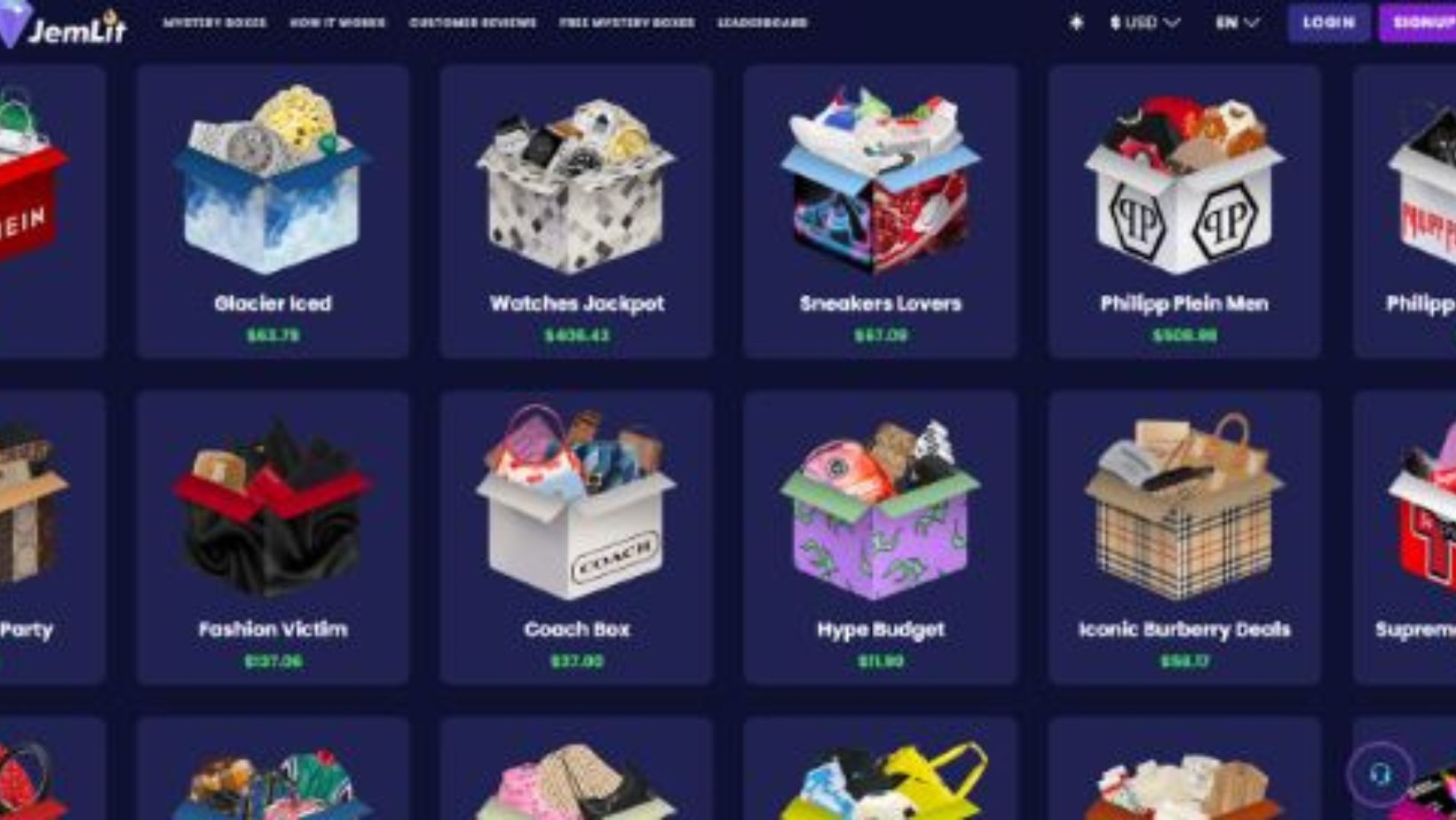
Are you looking for a unique way to shake up your wardrobe? A fashion mystery box could be the perfect solution. Instead of browsing endless listings, you get a sealed package of clothes, accessories, or designer pieces. One is JemLit, praised for its honest deals and quick deliveries. If you want to switch up your style excitingly, a fashion mystery box offers surprise, value, and the joy of unboxing something fresh.

First 7 Sites Offering Fashion Mystery Boxes

  1. HEAT Luxury Mystery Box
  2. TheDesignerBox
  3. Etsy
  4. Hypedrop
  5. Bulqbox
  6. Lootie

Are you curious which platforms offer the most rewarding fashion surprise box deals? Below are five detailed reviews, plus two honorable mentions—each can help you discover your following go-to style.

1. JemLit- Best Fashion Mystery Box Website

JemLit caters to those who want a balanced fashion mystery box without feeling overwhelmed. Themes may include trendy tees, statement accessories, or comfy loungewear. Frequent promos keep prices friendly. Buyers often praise JemLit’s simple checkout and responsive support. If you plan to buy fashion mystery box goodies, start here.

Key Features

  • Clear product range
  • Multiple box size choices
  • Regular markdowns
  • Friendly customer service

Visit JemLit.com and select from a wide range of fashion mystery boxes today!

2. HEAT Luxury Mystery Box

For upscale tastes, HEAT Luxury Mystery Box stands among the best fashion mystery box picks. Expect big-name brands and potential high-value items. Their boxes lean toward luxury streetwear or designer labels. Prices reflect that premium vibe, yet you might snag rare gear below retail. Unboxing often feels exclusive and refined.

Key Features

  • Top-tier designer brands
  • Sleek, gift-ready packaging
  • Curated seasonal releases
  • Potential major savings

3. TheDesignerBox

Focused on runway-inspired looks, TheDesignerBox is a solid fashion mystery box choice if you love trendy silhouettes. Items might span chic blazers, modern dresses, or bold statements. They also add versatile basics for balance. While not strictly high-end, they maintain a fashionable mix. Shipping is straightforward, and size exchanges help reduce fit worries.

Key Features

  • Bold, eye-catching styles
  • Updated monthly themes
  • Helpful size guides
  • Tiered Box pricing

4. Etsy

Although Etsy isn’t solely about fashion mystery box deals, many independent sellers curate stylish packages. These might include handmade scarves, vintage jackets, or artisan accessories. Because each shop is unique, variety remains huge. It’s perfect for people seeking one-of-a-kind pieces and supporting small businesses while embracing the joy of surprise.

Key Features

  • Handcrafted or vintage items
  • Direct chat with shop owners
  • Global shipping, depending on the seller
  • Customizable theme requests

5. Hypedrop

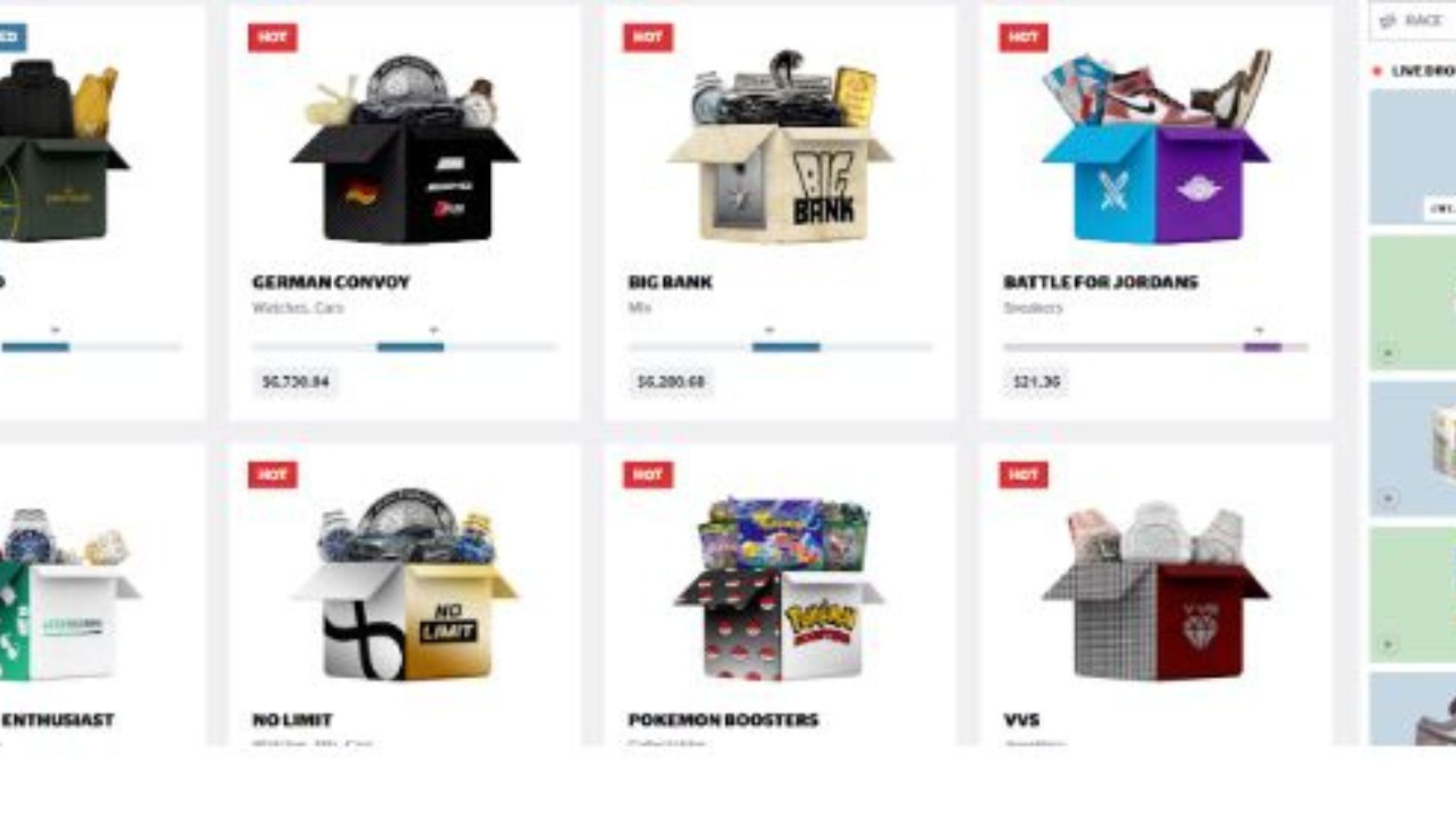
Hypedrop mainly targets streetwear buffs who enjoy hype-brand releases. Its fashion mystery box approach can yield exclusive sneakers, hoodies, or collab caps. Live feeds show major wins in real-time, creating a community vibe. If you crave edgy looks or sought-after drops, Hypedrop could suit your style quest.

Key Features

  • Live reveal streams
  • Collectible streetwear
  • Budget-friendly vs. premium boxes
  • Rare brand collabs

6. Bulqbox

Bulqbox offers bulk-oriented surprise packages, frequently featuring overstock or returned fashion items from major retailers. While not always brand-specific, boxes can mix casual basics with occasional standout pieces. This is ideal for thrift-minded folks or resellers. For those wanting a cost-savvy way to buy fashion mystery box bundles, Bulqbox shines.

Key Features

  • Bulk inventory approach
  • Potential hidden gems
  • Lower per-item cost
  • Simple ordering process

7. Lootie

Lootie merges modern street-style picks with accessible everyday clothing, forming a unique fashion surprise box solution. You might land limited-edition tees or comfortable athleisure. Timely updates keep themes fresh. Users enjoy the platform’s real-time feed, showing what others unbox. It’s a fun way to discover lesser-known brands or snag big-name finds.

Key Features

  • Real-time user reveals
  • Blend of designer collabs
  • Easy sign-up steps
  • Periodic special events

Why a Fashion Mystery Box Excites Shoppers?

The appeal of a fashion mystery box lies in its blend of suspense and style. Each box holds wearable items, creating an unboxing event that feels personal and full of possibility.

Visit JemLit.com and select from a wide range of fashion mystery boxes today!

Breaking out of Fashion Ruts 

A typical wardrobe can become dull over time, mainly if you stick to the same brands. A fashion mystery box nudges you toward new styles and color choices you wouldn’t ordinarily pick. That sense of discovery helps refresh your look and challenges you to pair unfamiliar pieces with existing outfits.

Potential for Big Brand Treasures

Some boxes highlight premium labels, letting you snag high-end items at a fraction of their usual cost. From exclusive streetwear drops to designer accessories, the promise of landing something truly special drives many fans to buy fashion mystery box bundles. Even if you get simpler pieces, the excitement remains strong.

Easy Gift Solution

A fashion surprise box also functions as a thoughtful gift. Whether for a birthday or a holiday, recipients enjoy unveiling secret items curated with style in mind. By choosing a platform like JemLit that caters to broad tastes, you offer them an entertaining reveal and potential wardrobe refresh.

Who Should Buy a Fashion Mystery Box?

Fashion boxes aren’t just for trendsetters. Whether you’re a casual dresser or a runway fanatic, there’s a fitting box out there. Here’s a look at who benefits the most.

Trend Hunters and Collectors

For those who always monitor brand collaborations and fresh releases, a fashion mystery box can reveal next-level items you never knew you wanted. Such individuals thrive on exclusivity and limited drops. By subscribing or ordering regularly, they stay ahead of mainstream trends while building a unique personal wardrobe.

Busy Shoppers Seeking Convenience

These boxes reduce shopping time if your schedule doesn’t allow extensive browsing. Instead of scouring multiple stores or websites, you place a single order and let professionals pick items. This approach streamlines your updates, ensuring you get new clothes or accessories without constant effort—a relief for those juggling busy lifestyles.

Fashion Experimenters on a Budget

Not everyone can afford premium designer garments at full retail prices. A best fashion mystery box may offer discounted brand pieces, allowing style enthusiasts to experiment. Even if the box includes simpler or unfamiliar labels, the cost is often lower than individual item purchases, ensuring you don’t overspend while exploring new trends.

Future of the Fashion Mystery Box Scene

The fashion mystery box market shows no signs of slowing. Shifts in consumer habits and brand partnerships promise fresh surprises. Here’s how the next wave could redefine style-based mystery shopping.

Personalized Data Insights

Tech-driven platforms may soon integrate user data or style quizzes to tailor each box. Think of recommended color palettes while maintaining some unpredictability. This tactic bridges random selection with personal fit. JemLit might, for example, gather basic preferences, combining curated choices with the excitement of not knowing the exact item.

Virtual Fitting Rooms

Augmented reality features could let buyers “try on” prospective box items digitally. While still preserving the surprise element, you might confirm size or fit. This approach cuts down on returns, supports brand loyalty, and makes each purchase feel more interactive. Imagine scanning your shape to see if an upcoming piece suits you.

Collaborative Brand Events

Expect more collaborations between mystery box companies and known labels. Special-edition boxes can launch new lines or highlight seasonal themes, fueling hype. Buyers get limited-run designs, while brands access a dedicated community. These joint campaigns might even include behind-the-scenes content, intensifying fandom and pushing the concept of a simple box beyond mere packaging.

Final Thoughts on Fashion Mystery Box

A fashion mystery box can freshen up your closet and add excitement to ordinary shopping. Whether you’re eyeing affordable streetwear or luxury statements, there’s a perfect fit for your style. Platforms like JemLit boast straightforward shipping and discounted boxes, catering to specific tastes—hype-driven or runway-inspired. These boxes merge fashion exploration with the thrill of an unexpected reveal. If you want to break out of a rut or just love a good surprise, buying fashion mystery box picks from one of the top platforms might be time. Unboxing might be the best part of your next fashion haul!

Frequently Asked Questions on Fashion Mystery Boxes

Are These Boxes Safe to Buy?

Yes, if you choose reputable platforms. Review user feedback and check shipping details before you buy fashion mystery box deals.

What Items Can I Expect Inside?

A fashion surprise box often includes apparel, accessories, or footwear. Specific content depends on the service’s focus and themes.

Do I Get To Pick My Sizes?

Many providers let you submit sizing info, but you might not always receive items that fit perfectly. A size mismatch can occur.

Is It Cheaper Than Individual Buys?

Sometimes. Landing designers or limited-edition pieces can offer value, but it’s not guaranteed. The fun factor often justifies the cost for many people.

How Often Do New Styles Appear?

Most fashion mystery box sites rotate stock monthly or seasonally, adding updated looks to keep your wardrobe fresh with each purchase.