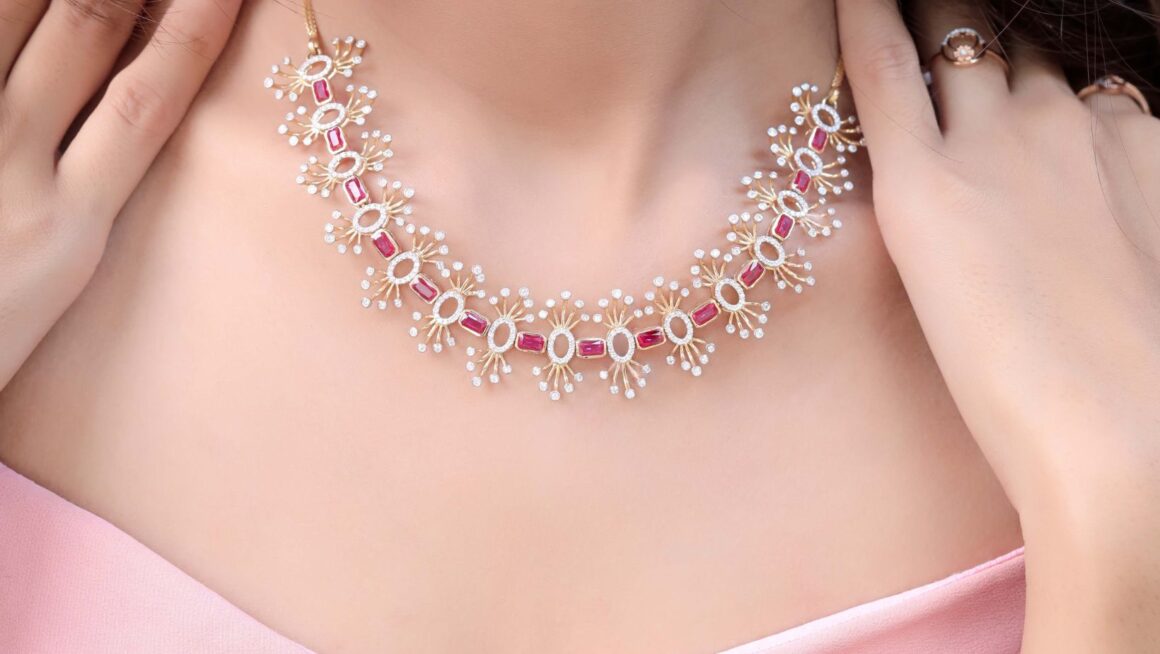
This is where clothing accessories wholesale quietly steps in and changes the math.
Accessories don’t always get the spotlight, but they consistently deliver something retailers love: strong margins, faster inventory turns, and lower risk per unit. When sourced and managed correctly, wholesale accessories can be the difference between surviving and actually thriving in a competitive retail environment.
Let’s explore why accessories play such an outsized role in profitability—and how wholesale sourcing makes it work.
Accessories Sell the Outfit (Not Just Themselves)
The Psychology of Add-On Purchases
Customers rarely walk into a store planning to buy just a scarf or belt. But once they’re already purchasing clothing, accessories feel like a natural extension of the decision.
“That top would look great with this necklace.”
“These shoes need a matching bag.”
These moments drive incremental sales. The original purchase happens anyway; the accessory simply increases the basket size. And because accessories typically carry higher markup potential, that add-on purchase is disproportionately valuable.
Clothing accessories wholesale supports this dynamic by keeping unit costs low enough that retailers can price confidently without scaring customers away.
Lower Cost Per Unit, Higher Margin Potential
Accessories Are Margin-Friendly by Design
Compared to apparel, accessories generally:
- Use less material
- Require simpler sizing
- Incur lower production complexity
This naturally leads to lower wholesale costs. When retailers source accessories through wholesale channels, those savings create room for healthier markups at retail.
It’s not uncommon for accessories to deliver margins that outperform core clothing items—sometimes significantly—without feeling overpriced to customers.
Fewer Fit Issues, Fewer Returns
Returns are a silent margin killer in fashion retail. Clothing comes back for countless reasons: sizing, fit, comfort, or simply buyer’s remorse.
Accessories sidestep many of these problems. A bracelet doesn’t “run small.” A hat doesn’t suddenly fit differently under store lighting.
By focusing on clothing accessories wholesale, retailers reduce return-related losses while maintaining sales volume.
Faster Inventory Turns Mean Better Cash Flow
Accessories Move Quickly
Trends change fast, but accessories move even faster. Customers are more willing to experiment with accessories because the financial commitment feels lower.
This leads to quicker inventory turnover, which improves cash flow and reduces the risk of dead stock sitting on shelves for months.
Wholesale sourcing makes it easier to refresh assortments frequently without overcommitting capital.
Easier Trend Testing
Accessories are ideal for trend testing. New colors, materials, or styles can be introduced in small batches to gauge customer interest.
If something works, reorders are simple. If it doesn’t, the financial exposure is limited. Clothing accessories wholesale allows retailers to stay agile without betting the entire season on one trend.
Accessories Strengthen Visual Merchandising
Small Items, Big Impact
Accessories play a major role in visual merchandising. They add texture, color, and depth to displays, making clothing collections feel complete.
A well-placed accessory can elevate an entire rack of garments. That improved presentation often leads to higher perceived value—and higher willingness to spend.
Wholesale accessories provide the flexibility to update displays often without excessive cost.
Wholesale Sourcing Supports Consistency
Reliable Supply Means Predictable Margins
When retailers work with reliable clothing accessories wholesale partners, pricing becomes more predictable. This consistency allows for better margin planning and fewer unpleasant surprises during reorders.
Unpredictable pricing erodes margins quickly. Wholesale sourcing helps stabilize costs over time.
Easier Replenishment
Popular accessories need fast replenishment. Wholesale suppliers are typically better equipped to handle repeat orders efficiently, ensuring bestsellers stay in stock.
Running out of high-margin items is more expensive than it looks.
Accessories Encourage Impulse Buying
Low Commitment, High Conversion
Accessories sit comfortably in impulse-buy territory. They don’t require long deliberation, fitting rooms, or lifestyle changes.
Customers might hesitate on a jacket—but they’ll grab a belt, earrings, or sunglasses without much thought.
Clothing accessories wholesale enables retailers to price these items attractively while still protecting margins.
Accessories Support Multi-Channel Retail
Easier to Sell Online and In-Store
Accessories perform well across channels. They’re easier to photograph, easier to ship, and easier to describe.
This makes them ideal for omnichannel retail strategies. Wholesale pricing helps maintain consistent margins whether sales happen in-store, online, or through marketplaces.
Fewer Operational Headaches
Storage and Handling Advantages
Accessories take up less space, weigh less, and cost less to store and ship. These operational efficiencies contribute indirectly to margin improvement.
Lower overhead means more profit stays where it belongs.
Why Retailers Who Ignore Accessories Leave Money Behind
Retailers who focus exclusively on apparel often overlook a major profit lever. Clothing drives traffic, but accessories drive margin.
Clothing accessories wholesale isn’t about replacing core products—it’s about supporting them with smarter economics.
Accessories complement clothing while quietly outperforming it financially.
Higher retail margins don’t always come from selling more clothing. Often, they come from selling smarter products alongside it.
By leveraging clothing accessories wholesale, retailers gain access to higher markups, faster inventory turnover, lower return rates, and stronger visual merchandising—all without increasing operational complexity.
Accessories may be small, but their impact on profitability is anything but. In a retail landscape where every percentage point matters, they’re not just optional extras—they’re strategic assets.