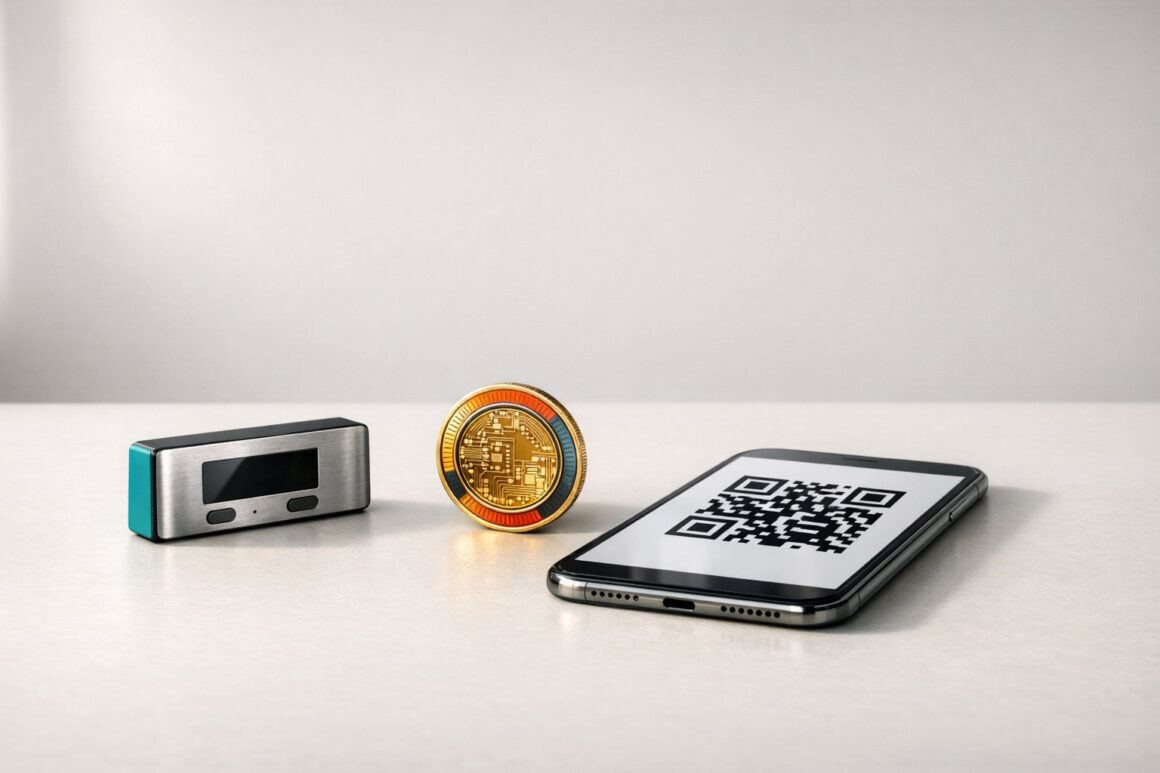
Cryptocurrency has expanded from investment portfolios into digital leisure spending. Its increasing use in online entertainment is influencing personal finance choices and changing how users pay for their preferred activities. This shift is significant as digital transactions become more central in the modern leisure environment.
The rapid adoption of cryptocurrencies for leisure-related payments signals a move from speculative investing toward more practical, everyday transactions. As individuals make use of digital services and entertainment options, some users see new ways to handle spending efficiently and without relying on traditional banks, including by looking for a casino crypto bonus on platforms where it applies. This matters for anyone navigating a cashless digital lifestyle, since it can affect budgeting, financial planning, and privacy in online recreation.
Cryptocurrencies Now Feature In Many Leisure Sectors
Many internet-based leisure activities now accept or support cryptocurrency payments. Online gaming platforms, streaming services, and digital content marketplaces enable users to buy virtual goods, activate subscriptions, or access pay-per-view services using digital currencies. This appeals to users who value immediate settlement and greater privacy compared with traditional payment options.
Online casinos also offer the option to deposit and withdraw with cryptocurrencies, due to faster clearing times and less reliance on intermediaries. However, these are typically offered as one choice among several payment methods, with factors like user familiarity and regulatory obligations influencing adoption. The growing range of leisure activities accepting digital assets highlights their increasing role.
Key Steps And Tools Involved In These Payments
Using cryptocurrency payments involves understanding digital wallets, public addresses, and blockchain networks. When making a crypto payment, the user initiates a transfer from their private wallet to the merchant’s address or uses a payment processor that manages conversion and forwarding. The general procedure is to authorize the transaction, wait for network confirmation, and sometimes receive instant service access when the payment settles.
Some leisure platforms use on-chain payments, while others use payment gateways. In all cases, users must hold the correct type of cryptocurrency for the service. Processing times can be affected by network congestion and the chosen cryptocurrency, and many platforms put safeguards in place to lower the chance of failed transactions.
Cost, Speed, And Security Factors Impact Payments
Paying with cryptocurrencies for digital leisure includes different fees and risks than using traditional cards. Network fees go to miners or validators, and third-party processors may add a spread or handling fee. The total expense depends on the transaction size, the type of cryptocurrency, and current network conditions.
Depending on the blockchain, payments can be settled more quickly or slowly compared to card payments, which can lead to brief delays, especially when networks are busy. Users also need to consider the potential for price changes between approving a transaction and the merchant confirming it.
Recordkeeping, Privacy, And Regulatory Frameworks
Unlike credit card payments, most cryptocurrency transactions are not reversible, making it important for users to verify recipient addresses and payment details. Errors in sending funds can be hard to recover and do not have the protections of standard chargeback systems. Therefore, careful management of wallet access and private keys is necessary for those using digital assets online.
Managing budgets with cryptocurrencies can be complex since prices frequently change and users might need several wallets across different platforms. Accurate spend-tracking and recordkeeping are also required for tax reporting in some jurisdictions. Additionally, many leisure services implement compliance measures such as know-your-customer and anti-money-laundering checks to satisfy regulatory standards, which may include identity verification.
Emerging Trends And What Lies Ahead For Users
Several trends are shaping the future of cryptocurrency payments in online leisure. Stablecoins are becoming more popular as a way to reduce volatility and make spending easier for users and platforms. These digital currencies are usually designed to match a reference value, helping stabilize certain types of transactions.
Platforms also provide clearer information on transaction fees and exchange rates, supporting more informed decisions when making digital purchases. Advances in the checkout process, including simpler wallet integration and faster confirmations, could further encourage the wider use of cryptocurrency payments for digital entertainment and leisure activities.