However, other platforms are more privacy-friendly. These platforms tend to have lower verification barriers. However, on those platforms that also require transactions and payments, many users tend to be afraid or skeptical because of online scams and other risks. To combat this, here are some practical tips for how to manage your money on low-verification platforms.
Understanding What Low Verification Really Means
Low verification platforms ask for minimal information when people create accounts. For users who value their privacy and understand the significance of anonymity in a digital world, this can often be a defining feature for them. In some industries, little to no verification processes have even become a selling point. A perfect example of this comes from the iGaming sector.
Conventional online casinos tend to be heavily regulated in most jurisdictions. This means that players usually have to provide all sorts of personal and sensitive information as a prerequisite for registering on these sites. However, given how many threats there are online these days, many players have become privacy-conscious. As a result, an entirely separate sub-market has sprung up to cater to no ID verification casino platforms.
These sites do not force players to provide their identity details or other sensitive information to play. This is perfect for casual players who may not play often since they dispense with KYC requirements. These kinds of players usually just play single sessions or just a few rounds of their favorite games. The ability to do this without providing ID verification is a major perk for them.
In these cases, rather than low verification processes, such sites offer no verification or minimal verification by perhaps just requiring an email address to sign up. Low verification sites are distinguishable by the fact that they only require a little personal information, and that information generally does not include identifying information or bank details. Generally, contact information like a mobile number or an email address is sufficient.
Setting Personal Rules For Spending and Deposits
Most users who prefer low verification platforms generally keep to personal rules. That usually manifests in them setting their own budgets or time limits. To these users, economizing isn’t just about money. In many ways, it becomes a lifestyle, one that’s geared toward remaining cautious and frugal when necessary.
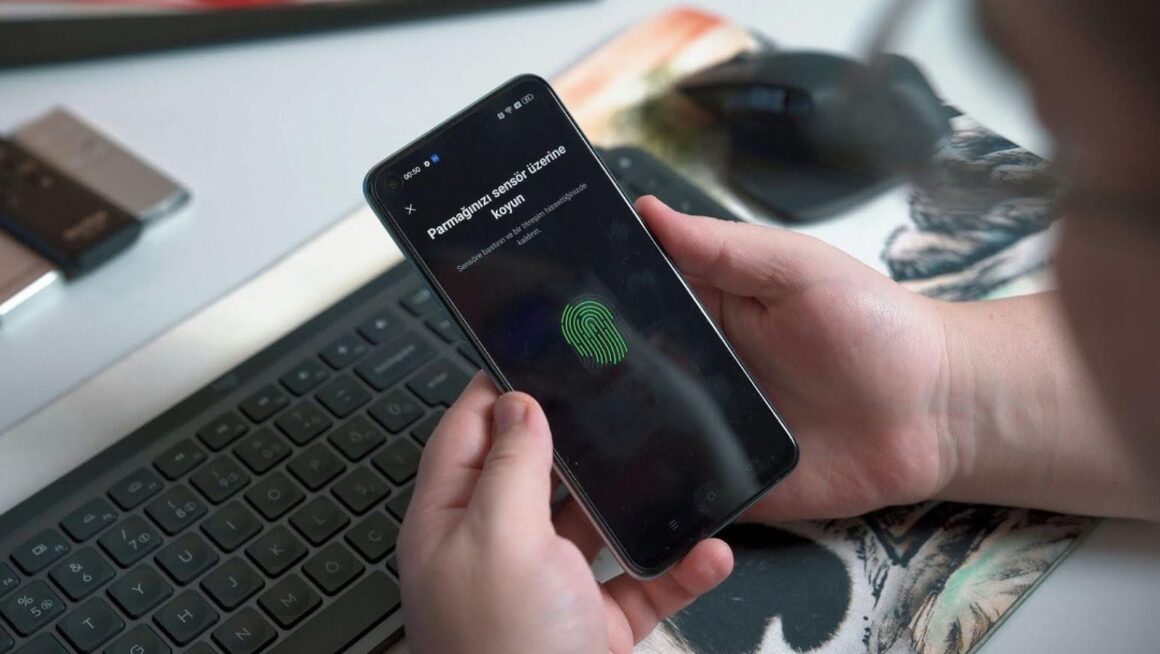
This isn’t to say that such people don’t splurge or do not have means. In most cases, they are simply more careful by nature. However, once one realizes just how many threats exist online, it’s only logical to approach every digital platform you use in this manner. When it isn’t possible to use low verification options, these users make up for it by adding on extra security steps like two-factor authentication.
People also benefit from reviewing their activity regularly. Some check their account history every week. Others do it daily. The frequency matters less than consistency. A regular review makes unusual behaviour easier to spot. If small charges or unexpected movements appear, users can react quickly. The habit supports peace of mind.

A clear exit plan also helps. Users decide how they will withdraw funds if something feels wrong. They learn the withdrawal rules early. They test the process once, so there are no surprises later. This preparation makes the platform feel easier to manage.
Protecting Your Accounts With Simple Tools
Low verification platforms often give users control over their own safety. They offer optional tools that help keep accounts secure. The first is a strong password that avoids common patterns. People sometimes underestimate the power of this step. A good password limits unwanted access and keeps money safe. Some people use a password manager to create and store complex combinations.
Passkeys, when available, add another layer of safety. Users get a code on their phone or email each time they log in. This extra step blocks unwanted attempts. The small delay is worth the added security. Many users switch it on right after signing up.
People also protect their accounts by controlling where they log in. Public networks can expose data. A private connection at home or on a secure phone hotspot reduces risk. Users should avoid logging in on shared computers or devices they do not control. Small habits create a strong shield around the account.
Watching for Warning Signs and Managing Risk
Low verification platforms vary widely. Some are well managed. Others may use poor security or unreliable systems. Users learn to watch for clues. Slow response times, unclear fees, or sudden changes in policies raise questions. An app that crashes often might have deeper issues. People learn to trust their instincts when something feels off.
Watching for signs of misuse inside the account is also important. Unusual withdrawals or surprise deposits can indicate trouble. A sudden change in account behaviour should be taken seriously. Users who act quickly can move their funds out before the situation worsens. Early action protects both money and personal information.
People also watch how the platform handles communication. Regular updates, clear messages, and steady support responses build comfort. Silence during problems harms trust. Many users read reviews to see how others describe the experience. A long history of complaints signals caution.