Buying bullion involves more than choosing a metal and watching its market price. Gold, silver, platinum, palladium and rhodium products differ in liquidity, premiums, storage requirements and resale conditions. Before committing funds, investors should ask several practical questions to understand what they are purchasing, how much it truly costs and how easily it can later be sold.
What Role Will Bullion Play in My Portfolio?
Begin by identifying why you want to own bullion. Some investors use precious metals to diversify assets concentrated in shares or property, while others value physical ownership during periods of inflation, currency weakness or market uncertainty. Your purpose will influence the most suitable metal, product type and allocation.
Those planning to invest in physical precious metals should also consider their investment timeframe and tolerance for price movements. Gold is often treated as a defensive asset, whereas silver and platinum-group metals can be more exposed to changes in industrial demand. Bullion should therefore fit an established portfolio strategy rather than being purchased solely in response to short-term headlines.
Am I Paying a Fair Premium Over Spot Price?
The spot price is the current wholesale market price of a precious metal, but retail bullion usually costs more. The difference is known as the premium, which may reflect manufacturing, distribution, dealer margins and product demand.
Compare the total price with the product’s actual metal content rather than assuming that the cheapest item offers the best value. Smaller bars and coins often carry higher percentage premiums because production costs are spread across less metal. Limited-edition or collectable pieces may cost substantially more, yet that additional value may not be recovered when selling.
Is the Product Genuine and Properly Identified?
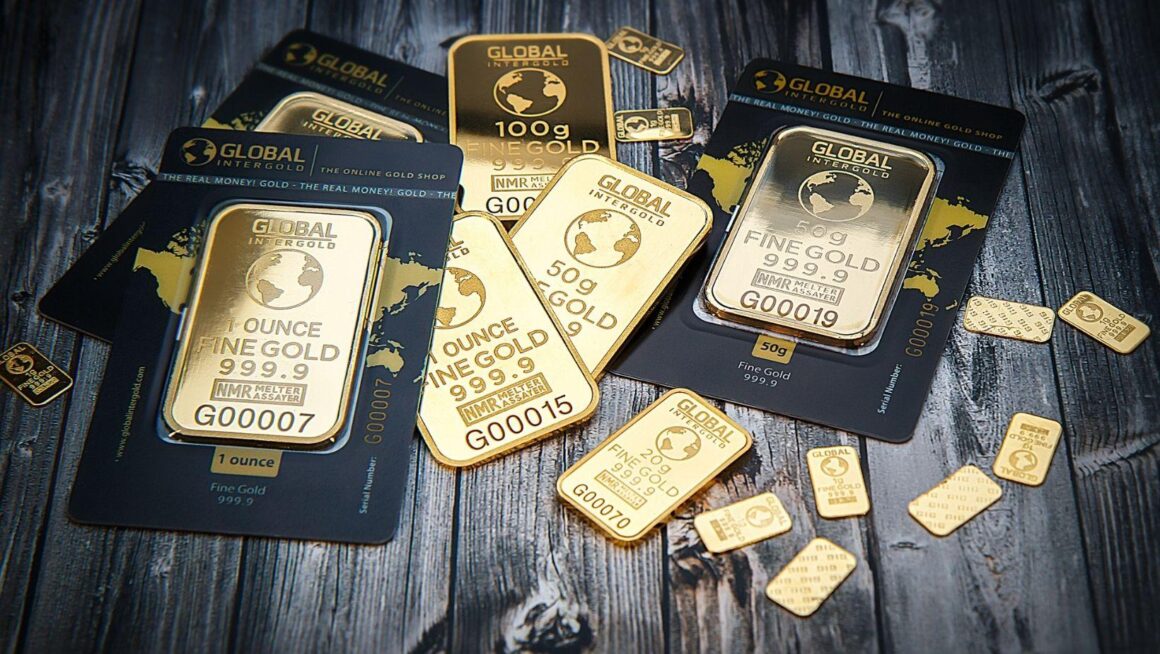
Ask who produced the bullion and whether the refinery or mint is widely recognised. Reputable bars and coins normally display their weight, purity and maker clearly. Some bars also have serial numbers, security features or sealed assay cards confirming their specifications.
Documentation matters because future buyers may want evidence of authenticity and provenance. Before purchasing, check whether the seller explains its verification process and provides a detailed invoice. Be cautious when a price appears unusually low, particularly when buying through private marketplaces where testing and recourse may be limited.
How Easily Can I Sell the Bullion Later?
A bullion product is only as liquid as the market is willing to buy it. Ask whether dealers regularly repurchase the particular metal, brand, weight and format you are considering. Common gold and silver bars or coins may have broader resale markets than unusual sizes or less familiar products.
It is also important to understand the bid–ask spread: the difference between the price charged to buyers and the amount offered to sellers. Widespread means the metal’s market price may need to rise considerably before the investment breaks even. Palladium and rhodium products, for example, may have fewer active buyers than mainstream gold bullion.
Where and How Will the Bullion Be Stored?
Physical ownership creates responsibility for security. Home storage offers direct access but may require a suitable safe, discreet handling and confirmation that household insurance covers bullion. Standard policies often impose limits or exclusions for precious metals.
Professional vaulting can provide stronger security and insurance, although ongoing charges reduce net returns. Ask whether stored metal is allocated, meaning specific items are recorded as belonging to you, and whether independent audits occur. Investors should also understand withdrawal procedures and any fees involved in taking possession.
What Taxes and Charges Could Apply?
The purchase price may not represent the full cost. Depending on the investor’s location and the type of bullion, taxes may apply when buying or selling. Storage, insurance, delivery, card processing, testing and resale fees can also affect overall returns.
Tax treatment can differ between investment-grade bullion, collectable coins and other precious-metal products. Keep complete transaction records and seek qualified tax advice where necessary, particularly before making a substantial purchase or selling at a profit.
Better Questions Lead to Better Purchases
Bullion can provide diversification and tangible ownership, but careful selection remains essential. By examining portfolio purpose, premiums, authenticity, liquidity, storage and tax implications before buying, investors can compare products on their real merits and avoid costs or restrictions that only become apparent later.