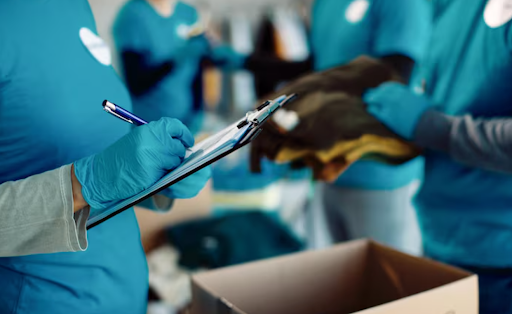
Humanitarian crises can disrupt essential services, displace communities, and leave millions of people without reliable access to healthcare. During these emergencies, healthcare workers become essential to protecting lives, preventing disease, and supporting the physical and emotional well-being of affected populations. Their work extends beyond treating injuries and illnesses. It also includes maintaining essential medical services, providing psychological support, and helping communities recover.
Doctors, nurses, paramedics, pharmacists, midwives, and community health workers all contribute to emergency response efforts. Their responsibilities often increase when hospitals face shortages, infrastructure becomes damaged, or ordinary healthcare systems can no longer meet demand. Understanding their role highlights why investing in healthcare personnel is fundamental to effective humanitarian assistance.
Why Healthcare Workers Are Essential During Humanitarian Crises
Humanitarian emergencies can arise from natural disasters, public health emergencies, and other events that disrupt everyday life. Regardless of the circumstances, affected communities frequently experience increased medical needs while access to treatment becomes more difficult.
Healthcare workers help bridge this gap by delivering essential services, identifying urgent medical needs, and coordinating care with humanitarian organizations. Their presence can make the difference between receiving timely treatment and experiencing preventable complications.
Providing Emergency Medical Care
One of the most immediate responsibilities of healthcare workers during a crisis is providing emergency medical assistance. People may require urgent treatment for injuries, infections, dehydration, and complications related to existing medical conditions.
Medical teams assess patients, prioritize those requiring immediate attention, and deliver treatment according to available resources. In overwhelmed facilities, this process helps ensure that patients with the most urgent needs receive care as quickly as possible.
Healthcare workers also adapt to changing conditions. When medical equipment, supplies, or hospital beds become limited, they must make difficult decisions while maintaining professional standards and treating every patient with dignity.
Maintaining Essential Healthcare Services
Not every medical need during a humanitarian emergency is related to the immediate crisis. People with diabetes, cardiovascular conditions, respiratory illnesses, and other chronic diseases still require ongoing treatment.
Pregnant women, newborns, older adults, and people with disabilities may also need specialized assistance. Interruptions to medication, routine checkups, and preventive services can create additional health risks.
Healthcare workers help maintain continuity of care by organizing consultations, monitoring patients, distributing essential medicines, and identifying people who need additional support. These efforts reduce the likelihood that existing health conditions will worsen during an emergency.
Protecting Communities From Public Health Risks
Humanitarian crises can create conditions that increase the risk of infectious diseases and other public health problems. Overcrowded shelters, disrupted sanitation systems, limited access to clean water, and interruptions to vaccination programs can place entire communities at risk.
Healthcare workers play a crucial role in identifying these threats and coordinating appropriate responses.
Disease Prevention and Early Detection
Early detection allows medical teams to respond before health problems spread or become more difficult to manage. Healthcare professionals monitor symptoms, identify unusual patterns of illness, and report potential outbreaks through established public health systems.
They also support vaccination campaigns, promote hand hygiene, and provide guidance on safe food preparation and water use. These measures are particularly important in temporary shelters and communities where access to sanitation facilities may be limited.
Public health workers and local healthcare teams can also help counter misinformation. By communicating clearly and respectfully, they encourage people to seek appropriate treatment and follow reliable health guidance.
Health Education and Community Outreach
Access to medical facilities is not always possible during humanitarian emergencies. Roads may be damaged, transportation may be unavailable, or displaced families may live far from functioning hospitals.
Community health workers help address these barriers by sharing essential information, identifying vulnerable individuals, and connecting residents with available services.
Their familiarity with local languages, customs, and community needs can make healthcare more accessible. Building trust is particularly important when people are experiencing uncertainty or have difficulty navigating unfamiliar medical systems.
Supporting Mental Health and Emotional Well-Being
Physical healthcare is only one part of an effective humanitarian response. Emergencies can also affect emotional well-being, disrupt social connections, and make everyday responsibilities more difficult.
The World Health Organization (WHO) explains that psychological distress is common following emergencies, although many people improve over time. Some individuals, however, develop conditions that require professional assessment and treatment.
Providing Psychological First Aid
Healthcare workers can offer psychological first aid to people experiencing distress. This approach involves listening without pressure, offering practical assistance, helping people access essential services, and respecting their dignity.
It does not require forcing people to discuss difficult experiences or attempting to diagnose every emotional reaction. Instead, trained professionals provide compassionate support and identify individuals who may need specialized mental healthcare.
Children, older adults, people with disabilities, and individuals separated from their support networks may require additional attention. Healthcare workers can help connect them with family members, trusted community resources, and appropriate services.
According to the WHO, effective emergency mental health responses should combine community support, psychological first aid, and clinical care when necessary.
Delivering Culturally Respectful Mental Healthcare
Humanitarian teams often work with communities whose languages, traditions, and beliefs differ from their own. Respecting these differences helps establish trust and makes healthcare more accessible.
For example, questions such as “what does Islam say about mental illness” highlight the importance of understanding how people may approach mental well-being through their faith and cultural experiences. Healthcare workers should respond without making assumptions, dismissing religious perspectives, or treating faith and professional care as incompatible.
When appropriate, practitioners can work with trusted community representatives and religious leaders while protecting patient confidentiality and respecting individual choices. They should also explain available treatments clearly and provide evidence-based care without stigmatizing people who experience mental health difficulties.
Culturally sensitive communication is not simply a courtesy. It can help patients feel understood, encourage them to seek assistance, and strengthen the relationship between healthcare providers and the communities they serve.
The Role of Healthcare Workers in Gaza Medical Relief
Humanitarian medical assistance depends on healthcare professionals who continue delivering essential services under challenging conditions. Gaza medical relief illustrates the importance of medical personnel, emergency teams, and coordinated humanitarian support when health systems face severe pressure.
The WHO’s 2026 health emergency appeal for the occupied Palestinian territory describes substantial unmet healthcare needs and a health system in Gaza severely weakened by prolonged crisis, infrastructure damage, and restrictions affecting access to services. The organization continues supporting medical supplies, essential healthcare, and emergency response activities.
Delivering Care When Resources Are Limited
In settings where medical facilities face shortages of supplies, equipment, and personnel, healthcare workers must adapt their practices while maintaining patient safety.
Their responsibilities may include:
- Treating patients with urgent injuries and illnesses.
- Providing maternal, newborn, and pediatric healthcare.
- Maintaining treatment for chronic conditions.
- Supporting rehabilitation for patients with long-term injuries.
- Identifying and responding to potential public health threats.
- Offering psychological support and referrals to specialized services.
These responsibilities require teamwork, clinical judgment, and reliable access to essential medicines and equipment. Medical professionals cannot meet every need independently, particularly when facilities are damaged or patient demand exceeds available capacity.
Humanitarian organizations therefore coordinate medical teams, supplies, and referrals to help sustain services. The WHO’s Emergency Medical Teams initiative promotes timely, coordinated clinical assistance that supports affected populations and strengthens local response capacity.
Recognizing the Importance of Local Medical Professionals
Local healthcare workers are especially important because they understand the needs, languages, and circumstances of the communities they serve. They may also maintain relationships with patients over extended periods, providing continuity when outside organizations face deployment or access limitations.
International medical teams can contribute specialized expertise and additional capacity. However, effective humanitarian assistance should complement local services rather than operate independently of them.
Supporting local professionals through training, reliable supplies, appropriate equipment, and sustainable working arrangements helps preserve essential knowledge and strengthens the foundation for recovery.
Protecting Healthcare Workers During Emergencies
Healthcare workers cannot provide effective care without adequate protection, resources, and institutional support. Humanitarian emergencies can expose them to exhausting workloads, limited supplies, unsafe working environments, and prolonged emotional stress.
Protecting medical personnel is therefore essential to maintaining healthcare services and ensuring that affected communities continue receiving assistance.
Addressing Exhaustion and Emotional Strain
Long shifts, difficult decisions, and repeated exposure to suffering can affect healthcare workers’ physical and psychological well-being. Without adequate rest and support, these pressures may contribute to burnout and reduce their ability to provide consistent care.
Humanitarian organizations should establish practical measures to protect staff, including:
- Reasonable working hours and opportunities for rest.
- Access to psychological support and confidential counselling.
- Training in emergency procedures and occupational safety.
- Reliable protective equipment and essential medical supplies.
- Clear communication, supervision, and referral procedures.
Support should also recognize the particular challenges faced by local healthcare workers, who may be managing community needs while dealing with disruptions to their own daily lives.
Ensuring Safe Access to Healthcare
Medical personnel, patients, ambulances, and healthcare facilities need protection during emergencies. Safe access allows medical teams to reach people in need, transport patients, and deliver essential supplies.
The WHO emphasizes the importance of protecting healthcare services and enabling humanitarian assistance to reach affected populations.
Governments, humanitarian organizations, and other relevant stakeholders must support arrangements that allow medical professionals to work safely and deliver care according to established medical and humanitarian principles.
How Healthcare Workers Contribute to Long-Term Recovery
The role of healthcare professionals continues after the immediate emergency has passed. Recovery may take months or years, particularly when health infrastructure has been damaged or communities have experienced prolonged disruption.
Healthcare workers help rebuild essential services, restore treatment programs, and identify continuing medical needs. Their contributions also support preparedness for future emergencies.
Rebuilding Healthcare Systems
Long-term recovery requires more than reopening medical facilities. Communities need trained personnel, functioning equipment, reliable supply chains, and accessible primary healthcare services.
Healthcare professionals contribute by supporting rehabilitation, resuming preventive care, training colleagues, and helping improve emergency response procedures. They can also identify gaps in existing services and recommend improvements based on their experience.
Investing in local healthcare capacity helps communities become more resilient and reduces dependence on temporary emergency interventions.
Strengthening Community Resilience
Healthcare workers also help communities prepare for future challenges through health education, preventive programs, and public health planning.
By teaching people to recognize warning signs, seek timely medical attention, and access reliable health information, they help reduce avoidable complications. Collaboration between medical teams, community organizations, and public institutions further strengthens these efforts.
Why Healthcare Workers Deserve Continued Support
Healthcare workers are fundamental to effective humanitarian action. They provide emergency treatment, maintain essential medical services, protect public health, and support emotional recovery when communities face extraordinary challenges.
Their impact depends not only on professional dedication but also on adequate supplies, safe working conditions, coordinated assistance, and sustained investment in healthcare systems.
From emergency medical response to long-term rehabilitation, their work helps protect human dignity and restore access to essential services. Supporting healthcare workers is therefore an essential part of supporting the people and communities affected by humanitarian crises.