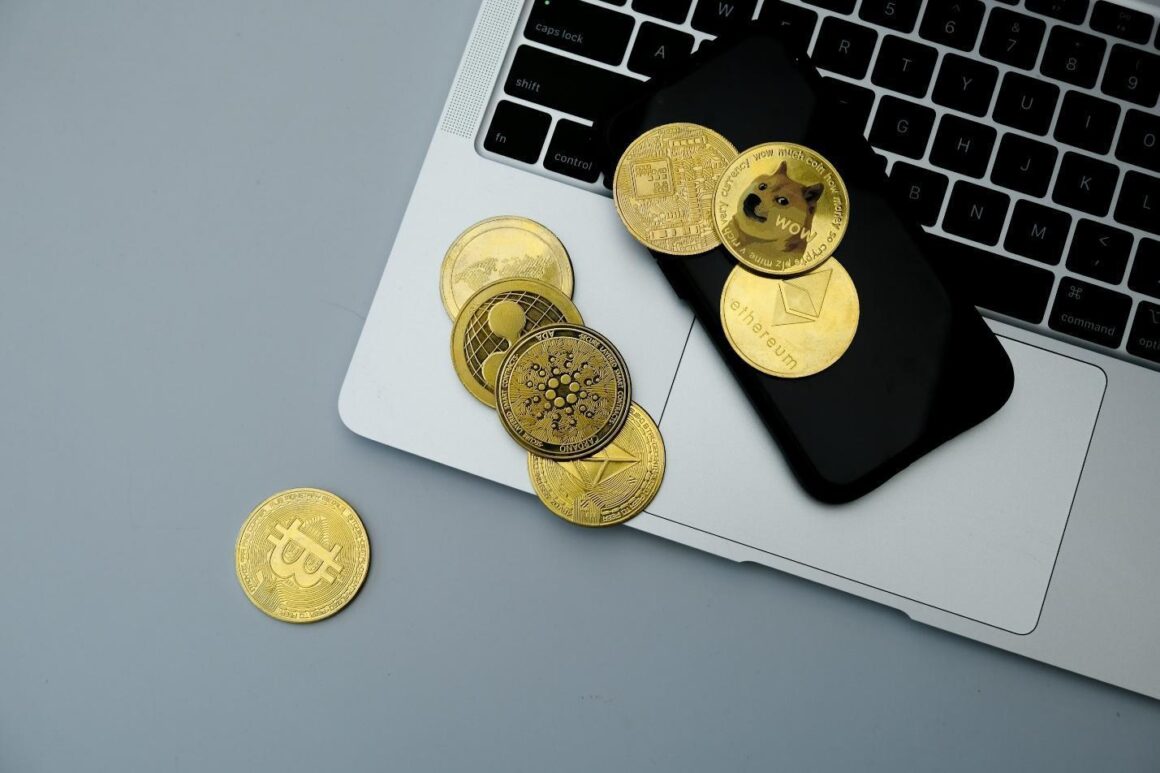
Dogecoin didn’t rise because of clean whitepapers, venture capital roadmaps, or polished investor decks. It clawed its way into relevance through memes, momentum, and moments when the internet, almost collectively, decided to treat a joke like a movement. But if you look past the surface-level chaos, Dogecoin price history isn’t random noise. It’s a case study in how culture, liquidity, celebrity, and market structure collide in the open arena of crypto.
If you’ve ever stared at a Dogecoin chart wondering how something born as satire could hit multibillion-dollar valuations, you’re not alone. The answer isn’t found in traditional valuation models but in grasping what the unique forces that took DOGE from a digital punchline and transformed it into a recurring market contender are. Let’s pull the curtain back and learn everything about it and how to buy Dogecoin.
Meme Power: The Fuel That Started the Engine
Dogecoin’s origin as a meme wasn’t a weakness. It was rocket fuel. The Shiba Inu dog everyone knows from the meme helped the project promote a playful brand, making it more accessible to people at a time when crypto was seen as too technical and intimidating. In the early years, Dogecoin’s price moved little but consistently, driven by communities on social platforms like Twitter and Reddit that rallied around the coin. Dogecoin became less about technology and more about belonging. That sense of community translated into buying pressure, especially during broader market uptrends.
Memes move attention. Attention moves markets. Dogecoin was one of the first assets to prove that cultural relevance can be a financial catalyst.
Social Media Waves and Retail Swarms
Viral social media cycles triggered Dogecoin’s biggest price surges. We’re talking about trending hashtags, coordinated buying frenzies, and online challenges that pushed the meme coin into mainstream conversation over and over again. Data from Google Trends during major rallies showed massive spikes in search interest for Dogecoin, often correlating with price breakouts. Retail investors weren’t just reacting to charts. They were reacting to momentum, community hype, and the feeling of being part of something bigger than a trade. This kind of social-driven liquidity is unpredictable, but when it arrives, it hits hard.
Elon Musk: The Volatility Multiplier
Few individuals have influenced a single cryptocurrency’s price like Elon Musk has with Dogecoin. His jokes, tweets, and TV appearances caused the coin to register even double-digit percentage changes within hours. Academic analyses of Musk’s public comments showed clear short-term correlations between his posts and DOGE price spikes. Even when long-term effects faded, the immediate volatility remained. This introduced a new variable into Dogecoin’s price behavior: celebrity risk. DOGE didn’t just respond to markets. The price’s evolution responded to a single individual’s online presence, transforming social media into a price-moving engine; everyone watched.
Exchange Listings and Liquidity Expansion
Dogecoin’s transition from a niche token to a mainstream cryptocurrency boosted its growth. When large exchange platforms started listing Dogecoin, people treated it like fiat trading pairs, and its increased accessibility led to an explosive price. More liquidity meant bigger players could enter without massive slippage. As Dogecoin became easier to buy, especially during bull markets, its price reacted faster and more aggressively to inflows. Liquidity doesn’t just support price. It amplifies moves in both directions.
Bitcoin’s Gravity and Market Cycles
Dogecoin, like other altcoins, rarely moved independently of the broader crypto market. Its most significant rallies aligned with Bitcoin’s bull cycles, so it registered price spikes during 2017, 202, and 2021. When Bitcoin is on a strong uptrend, the market is optimistic, and capital rotates outward. First, people turn their attention to Ethereum, and then to high-risk, high-reward assets. Dogecoin and other meme coins usually benefit during late-cycle speculation stages because the traders are looking for outsized gains. When Bitcoin falls, DOGE typically falls harder. High beta is a blessing on the way up and a curse on the way down.
Speculation and Leverage
As derivatives markets expanded, Dogecoin became a favorite for leveraged trading. Futures and perpetual contracts increased price swings by allowing traders to amplify positions. Open interest data during peak rallies showed surging leverage, which made DOGE prone to liquidation cascades. When the price moved sharply, forced liquidations accelerated momentum in either direction. This turned Dogecoin into a volatility playground attractive for traders, dangerous for the unprepared.
Payment Narratives and Real-World Use
Dogecoin’s price wasn’t driven only by jokes. Periodic narratives around real-world usage also played a role. Let’s take a look at a scenario where companies announce that they accept DOGE payments, even if they might do it only in a limited form, the coin benefits from increased legitimacy. The announcements won’t turn it into a global payment method overnight, but shift the perception that it’s more than a pure meme coin; it has the potential to become a utility coin. And the changed perception can be enough to attract new buyers and influence sentiment. In the crypto sector belief tend to move faster than adoption.
Supply Dynamics and Inflation Awareness
Dogecoin has an inflationary supply model, which impacts its price evolution. It differs from Bitcoin’s capped supply because DOGE issues new coins continuously. During the early years, it was ignored during hype phases, but as the market matured, investors started to find the issuance rates more important. During quieter periods, constant supply growth added selling pressure, making sustained rallies harder without strong demand. Understanding tokenomics became more important as the market moved from novelty to analysis.
Media Coverage and Mainstream Attention
No one should be surprised that mainstream media also played an essential role in Dogecoin’s price spikes because coverage from major outlets can bring the meme coin beyond crypto-native cycles. The more the media discusses the new project, the more new participants join the market, many of whom are buying their first cryptocurrency. The fresh inflows usually arrived during periods of rising markets, which could only have a positive impact on prices. The media didn’t create rallies alone, but it poured fuel on existing fires.
The Bigger Pattern Behind the Chaos
DOGE thrives in environments where risk appetite is high, narratives spread fast, and retail participation surges. It struggles when liquidity dries up, and the market shifts toward fundamentals and yield. Understanding Dogecoin means understanding that markets don’t always reward complexity. Sometimes they reward culture, timing, and the raw mechanics of crowd behavior. Dogecoin didn’t just ride crypto history. It exposed how human history really is.