According to PwC, nearly 80% of consumers say speed and convenience influence how they choose digital services. This includes how they pay. Payment systems have had to evolve to fit this, moving away from rigid banking processes and towards user-led design.
Moving Away From Rigid Systems
Early online payments were built around banks, not users. Transactions often involved multiple steps, long wait times and limited flexibility. You had to adapt to the system, rather than the other way round.
As online activity expanded into subscriptions, digital entertainment and gaming, this model started to fall apart. Users wanted fewer steps, faster confirmation and clearer outcomes. Payment providers responded by simplifying interfaces and removing unnecessary friction. Today, payments are expected to fit into the activity itself. When a process interrupts the experience, it feels broken rather than normal.
Key Ways Payment Methods Adapted To User Needs
This shift didn’t happen overnight. Payment systems have evolved by addressing specific user frustrations and priorities as digital behavior changed. The core developments that shaped how modern payment methods now function include:
Speed
The first major shift focused on speed. What once took days is expected to happen almost instantly. A 2023 Capgemini report found that real-time payment volumes grew by over 40% globally in a single year, driven by demand for faster access to funds.
Instant or near-instant transactions reduce frustration, but they also build confidence. Seeing money move quickly reassures users that the system is working as expected. Speed is no longer a bonus feature. It has become the minimum standard.
Mobile-first design
Speed alone wasn’t enough. As usage moved to smartphones, payment methods were forced to adapt again. Long forms, repeated card entry, and manual verification simply didn’t work well on mobile devices. Mobile-first solutions have simplified everything and prioritized:
- Stored payment credentials
- One-tap or one-click checkouts
- Biometric verification, such as fingerprint or face recognition.
Mobile devices now account for the majority of global online shopping activity. In 2024, about 57% of all e-commerce sales were conducted via mobile devices. This shows the dominant role phones and tablets play in how people shop and pay online.
Security
As payments became faster and more frequent, concerns around security grew alongside them. Users wanted protection, but not at the cost of speed or convenience. Repeated checks and visible barriers quickly became frustrating.
Payment systems responded by making security smarter rather than more noticeable. Tokenization protects card details by replacing them with secure digital tokens. Two-step verification adds a quick confirmation layer when needed. Background monitoring looks for unusual activity without interrupting everyday use. The result is security that feels reassuring without feeling intrusive.
Transparency
Transparency now plays an important role in how payment methods are chosen. You’re not just thinking about whether a transaction will go through. You want to know how long it will take, whether fees apply, and how reliable the system feels overall. When that information is unclear, confidence can drop quickly. Transparency helps close that gap.
Sites like Casino.ca help educate users by breaking down payment methods for online casinos in plain language, including payment methods tailored to Canadian gamblers. You can compare real details and understand what to expect before committing.
Flexibility and choice
As payment systems became faster, more mobile-friendly and more secure, users also began to expect greater choice. Modern payment systems reflect this by offering choice rather than forcing a single option. Depending on the platform, users can choose between options like:
- Direct bank transfers
- Debit or credit cards
- Digital wallets
- Alternative or local payment solutions
This flexibility respects the fact that user needs change depending on context, location and experience level.
Together these changes reflect a broader shift toward user-led payment design. These elements work together to support the overall experience rather than interrupting it.
Payments Became Part Of The Overall Experience
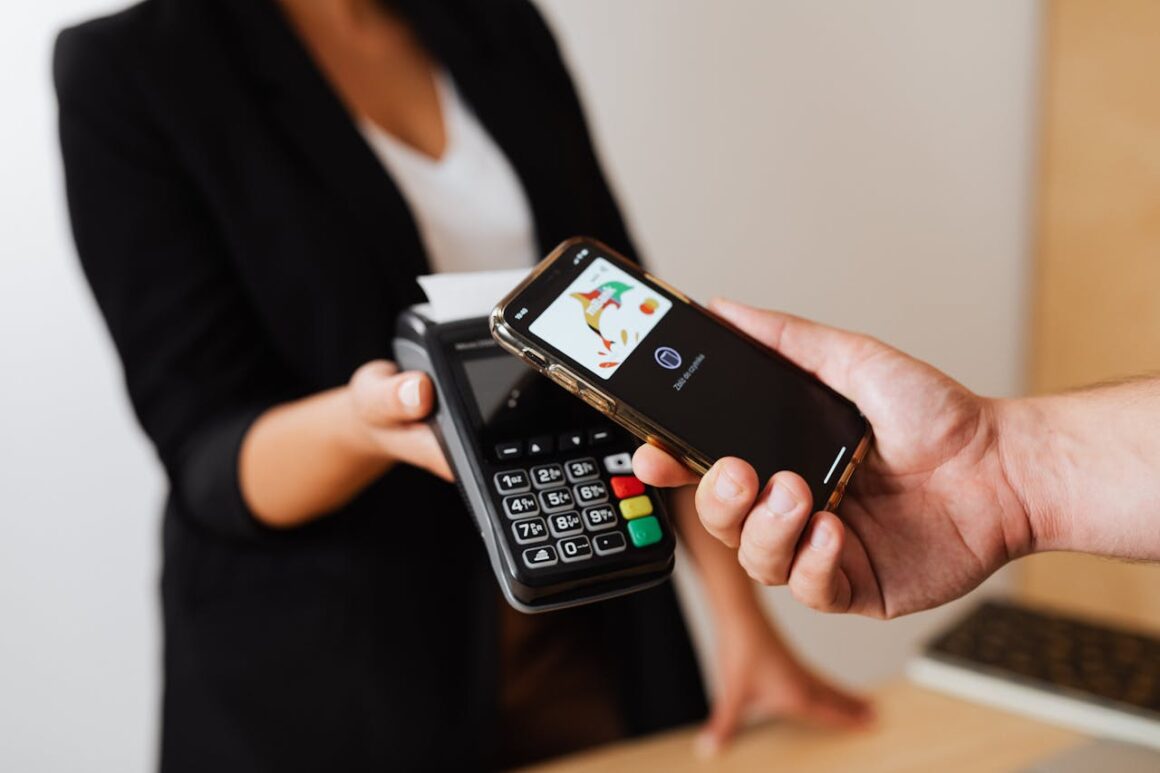
Today, payment methods are no longer just a technical detail. They are part of how a platform feels. Smooth deposits signal professionalism. Clear withdrawal options reduce frustration. Transparent policies build long-term confidence. When payments work well, you barely notice them. When they do not, they can overshadow everything else. That reality pushed platforms to treat payments as a core part of the user experience, not an afterthought.
The evolution of payment methods is ultimately about making online experiences easier and more reliable. You benefit from faster access to your money, more choice and clearer information. You can use payment options that match how you already live and transact online. As digital habits continue to evolve, payment systems will keep adapting. The ones that succeed will be the ones that stay focused on user needs, trust and simplicity.