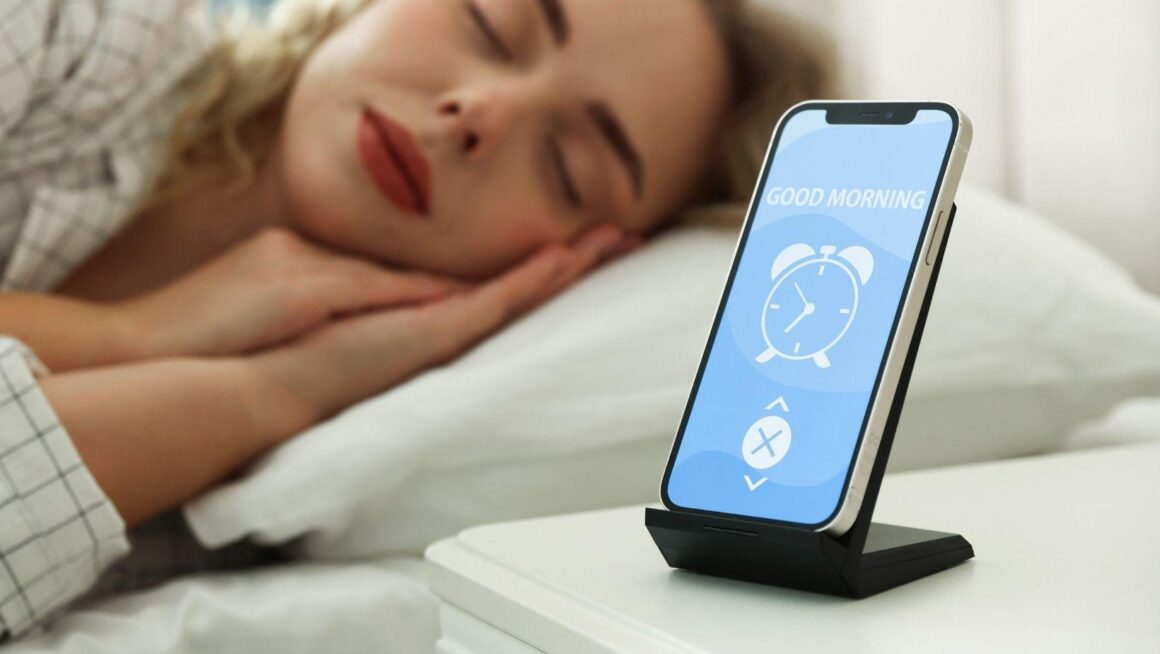
Sleep tracking has moved from specialist medical equipment to the wrist of anyone with a mid-range smartwatch. The data these devices generate arrives each morning as a dashboard promising insight into one of the least understood thirds of human existence. The question worth asking is not whether the data is interesting but whether it is accurate enough to be useful — and whether monitoring sleep changes the experience of it in ways the numbers don’t capture.
What Consumer Sleep Trackers Actually Measure
Most consumer wearables infer sleep stages from accelerometer movement data combined with heart rate readings from a PPG sensor. The device detects stillness and low heart rate as probable rest, then uses heart rate variability patterns to estimate transitions between light, deep, and REM stages. This is not the same as polysomnography — the clinical gold standard that measures brain activity, eye movement, and muscle tone simultaneously through electrodes.
Validation studies consistently find that wearables perform well at detecting total sleep time but less reliably at identifying specific stages — particularly slow-wave deep sleep and REM. A 2023 meta-analysis found wearables overestimate total rest duration by 10–20 minutes on average and misclassify stages in roughly 30–40% of measurement windows. For trend analysis, these error rates are manageable. For individual nightly decisions, they introduce meaningful noise.
The Orthosomnia Problem
Orthosomnia — anxiety generated by sleep tracking data — is the most clinically documented downside of consumer monitoring. Patients preoccupied with achieving perfect device scores show measurable increases in sleep onset latency: they take longer to fall asleep because they are anxious about what the device will record. The monitoring intended to improve rest actively degrades it through worry.
|
Metric |
Wearable Accuracy |
Clinical Notes |
|
Total sleep duration |
Good — within 10–20 min on average |
Most reliable metric across devices |
|
Sleep onset detection |
Moderate — movement-based |
Tends to underestimate wakefulness in bed |
|
REM identification |
Low to moderate — 60–70% agreement |
PPG-based inference; not neurological |
|
Deep sleep detection |
Low — most frequently misclassified |
Difficult without EEG data |
|
Heart rate variability |
Good — hardware reliable |
Most valid proxy for autonomic recovery |
Where the Data Becomes Genuinely Useful
Despite accuracy limitations at the stage level, sleep tracking data produces meaningful insights when used correctly. Long-term trend analysis — weekly averages rather than single nights — reveals patterns that align well with energy and performance data. Identifying that short-sleep periods correlate with low-productivity days, or that late alcohol consumption suppresses heart rate variability scores, are insights that single nights of data cannot provide.
The same principle of using aggregate data rather than single-event results applies in contexts where variance matters — including recreational gaming. A player who tracks session outcomes across many wagers at vulkan bet gains more meaningful information from a pattern of results over dozens of slots spins or table game rounds than from any individual session, just as weekly wearable averages outperform any single night’s score as a guide to actual rest quality.
The Placebo Dimension: Does Belief Drive the Benefit
A widely cited 2014 study by Draganich and Halpern told participants they had received good or poor sleep feedback — regardless of actual quality — and found that those told they had slept well performed significantly better on cognitive tests. If perceived rest quality influences daytime performance independent of objective measurements, a tracker that generates encouraging scores may produce real benefits through expectation rather than through actual sleep improvement.
This does not mean sleep trackers are useless — it means their mechanism of benefit is more complex than manufacturers suggest. Value may lie in the placebo effect of feeling accountable, in trend data that supports behavioral change, and in the engagement with sleep hygiene that tracking encourages. Separating these contributions is methodologically difficult, which is why the research picture remains mixed.
Getting Genuine Value from Sleep Tracking Data
These approaches extract the most reliable signal from consumer wearables while limiting the risks of orthosomnia and over-interpretation:
- Focus on weekly averages rather than nightly scores — single-night data is too noisy to act on individually.
- Use heart rate variability trends as your primary recovery metric — it is the most hardware-reliable measure most wearables provide.
- Track correlations between lifestyle variables and nightly scores over at least 30 days before drawing conclusions about what affects your rest.
- If tracking increases rather than decreases anxiety about rest, disable the detailed stage analysis and monitor only the total duration.
The Verdict: Useful Tool, Inflated Claims
Consumer sleep trackers are genuinely useful for building awareness of sleep duration patterns and identifying correlations between behavior and rest quality. They are less useful — and potentially counterproductive — as precision instruments for nightly stage analysis. The gap between what manufacturers imply and what validation studies demonstrate remains significant. Used as trend monitors, they offer accessible and behaviourally useful information. Used as authoritative quality assessors, they overdeliver on complexity and underdeliver on accuracy.