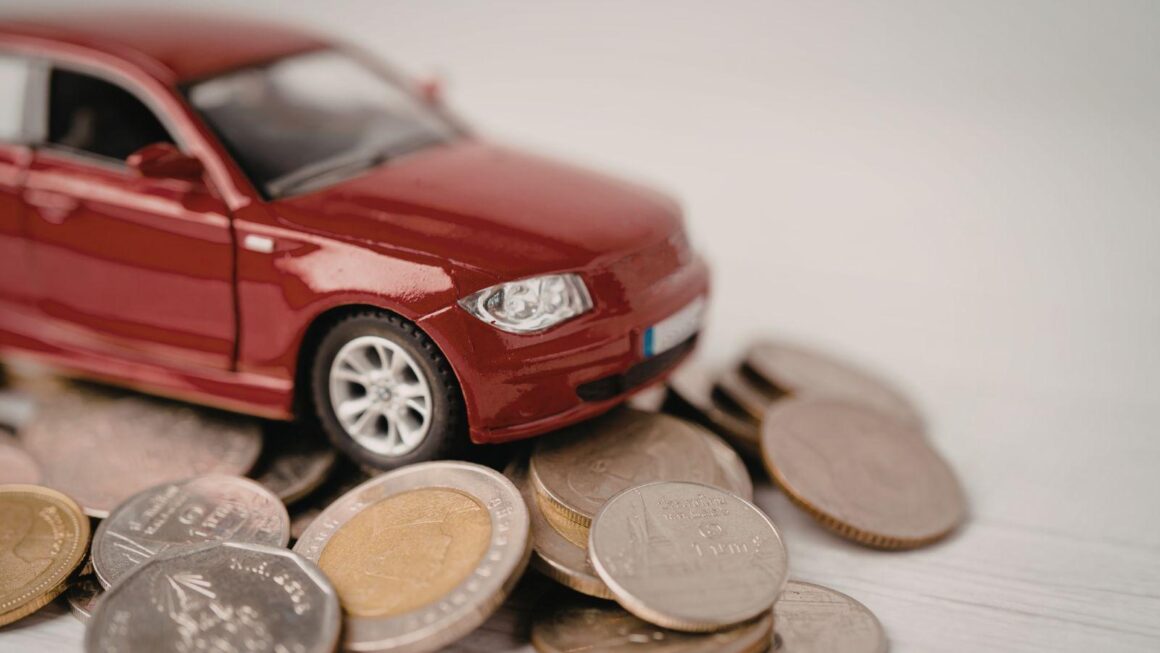
A car can be more than a daily transport asset. Its value may also support financial decisions when a major expense needs attention, whether that involves raising cash, reducing costs, improving borrowing options or planning a practical sale. The right approach depends on how quickly the money is needed, whether the vehicle is still essential, and how much value is realistically available after any existing finance is considered.
Using The Car As Loan Security
One way a car value can help with a major expense is by acting as collateral for a secured loan. Because the loan is backed by an asset, the car’s market value may influence how much can be borrowed and how the lender assesses risk. This can be relevant when a borrower needs funds for a large bill, emergency repair, relocation cost or short-term business expense.
Some people compare large quick loans no credit secured against a vehicle, when they need access to funds but do not want to sell their car immediately. This approach should still be considered carefully, as missed repayments can put the vehicle at risk. The key is to borrow only what is needed and understand the fees, repayment term and consequences of default before committing.
Selling The Car To Release Cash
Selling a vehicle can be one of the most direct ways to turn car value into money. This may suit situations where the expense is larger than expected, and the car is no longer essential, too costly to maintain, or due for replacement anyway. A private sale may sometimes produce a stronger result than a fast sale, but it can take more time and effort.
Before selling, it is worth checking the vehicle’s realistic market value based on age, mileage, service history, condition and demand. A clean, well-presented car with accurate records may attract better offers. If there is existing finance, the payout figure should be confirmed first so the seller knows how much cash will remain after the loan is cleared.
Trading Down To Reduce Pressure
Car value can also help by allowing someone to trade down into a cheaper vehicle. Instead of selling the car and going without transport, the owner may replace it with a more affordable model and use the difference to cover part of a major expense. This can be useful when the household still needs reliable transport but wants to free up money.
Trading down may also reduce ongoing costs such as insurance, registration, fuel use, servicing and tyres. These savings can matter when the major expense is not a single payment but part of a wider budget problem. The benefit is not only the cash released from the car, but also the lower running costs that follow.
Refinancing To Improve Cash Flow
If a car is already under finance, its value may help with refinancing. This involves replacing the current loan with a new arrangement that may offer a different repayment structure, interest rate or term. It will not suit every borrower, but it can sometimes ease monthly pressure when a major expense has affected household cash flow.
The important issue is the total cost, not just the lower repayment. Extending the loan term may reduce each payment but increase the amount paid over time. Any refinancing decision should account for exit fees, establishment costs, interest and the car’s loan-to-value ratio, which helps show whether the vehicle’s current value still supports the new loan.
Using Value In Insurance Decisions
Car value can also matter when insurance is involved. If a vehicle is written off or damaged, the agreed or assessed value may influence the amount paid by the insurer. This can help cover replacement transport or redirect funds towards another major expense if the owner chooses not to replace the car immediately.
Understanding the difference between agreed value and market value coverage is important. Agreed value means the insured amount is set in advance, while market value depends on the vehicle’s worth at the time of the claim. Reviewing this before a problem occurs can help avoid surprises when the car’s value is needed most.
Turning Value Into A Practical Plan
Car value can help with major expenses in several ways, from selling or trading down to refinancing, using insurance proceeds or securing short-term funds. The best choice depends on whether the car is essential, how urgent the expense is, and how much financial risk the owner can reasonably manage. A considered decision can turn vehicle value into practical support without creating a bigger problem later.