Opening a restaurant is one of the most exciting ventures a person can take on, but it is also one of the most financially unforgiving. Most first-time owners walk in with a budget built around the obvious expenses: rent, food inventory, staff wages, and a liquor license. What catches them off guard are the dozens of secondary costs that pile up before the doors even open and continue accumulating long after. Understanding these overlooked expenses is essential for business survival and growth.
Permits, Licenses, and Inspections
Beyond a basic business license, restaurants require a stack of permits that vary by city and state. Health department permits, fire safety inspections, signage permits, music licensing fees, and food handler certifications all carry individual costs that add up fast. Many municipalities also require a certificate of occupancy, which may involve costly building modifications before approval is granted.
The timeline is another hidden expense. Permit processing delays can push back your opening date by weeks or even months, and every day you are paying rent on a space that is not generating revenue counts against your bottom line. Budgeting an extra two to three months of rent as a cushion for permitting delays is a practical step most new owners skip.
Commercial Kitchen Equipment and Ventilation
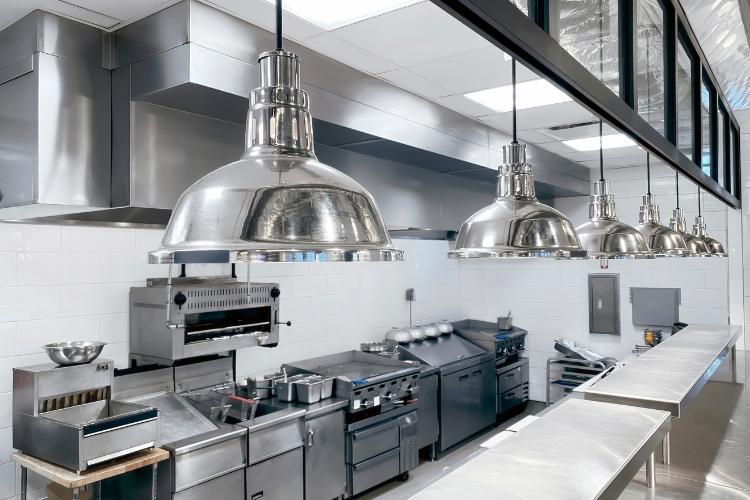
First-time owners often underestimate the cost of outfitting a commercial kitchen to code. Unlike a home kitchen, commercial cooking spaces must meet strict ventilation, fire suppression, and sanitation requirements. The equipment needed to satisfy those standards is expensive, and cutting corners here creates problems down the road with inspectors and insurance carriers.
Ventilation is one of the biggest surprises. A proper commercial range hood system is not optional. It is a code requirement in nearly every jurisdiction, and the cost scales with the size and output of your kitchen. Many owners budget for basic stainless steel units only to discover that their setup requires custom sizing, higher CFM ratings, or specialized finishes to meet local fire codes and design standards. Companies like CopperSmith manufacture commercial-grade range hoods in copper, stainless, brass, and zinc finishes, offering both standard and ductless ventilation options that can be customized to fit specific kitchen layouts. You can explore these options at worldcoppersmith.com to get a sense of what commercial-grade ventilation looks like at various price points. Factoring in ventilation costs early prevents the kind of budget shock that derails a buildout midway through construction.
Build-Out and Renovation Surprises
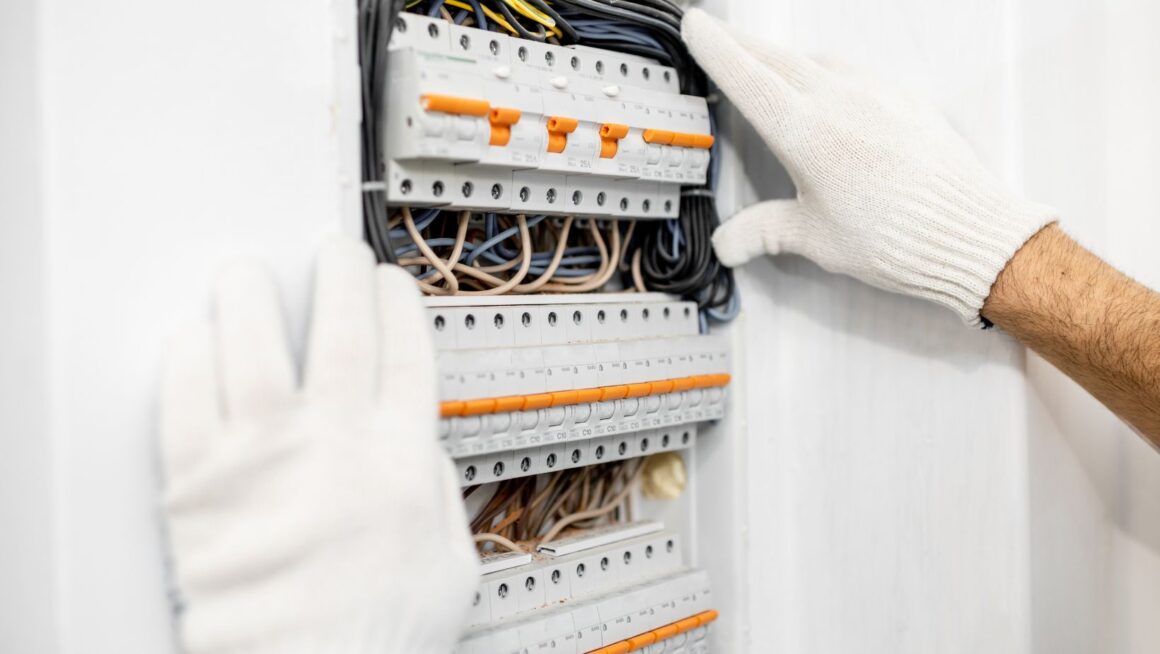
Leasing a space that previously housed a restaurant might seem like a shortcut, but inherited infrastructure often comes with inherited problems. Outdated electrical panels, plumbing that does not meet current code, grease traps that need replacing, and flooring that fails health inspection are all common discoveries.
Even brand-new spaces require significant investment to convert into a functioning restaurant. Grease traps alone can cost several thousand dollars to install. Electrical upgrades to support commercial appliances frequently run into the tens of thousands. And if your space needs a hood system, the ductwork installation can require structural modifications to the building, which means additional contractor fees and engineering consultations.
Getting three to five contractor bids and building a 20% contingency into your renovation budget is standard practice among experienced restaurateurs.
Insurance, Legal Fees, and Accounting
Restaurant insurance is far more complex than a standard business policy. You will need general liability, property insurance, workers’ compensation, liquor liability (if you serve alcohol), and potentially umbrella coverage. The combined annual premium for a mid-sized restaurant can easily reach $10,000 to $15,000 or more, depending on location and risk factors.
Legal fees are another area where new owners get caught short. Lease negotiations, partnership agreements, LLC formation, trademark registration for your restaurant name, and employee handbook creation all require legal guidance. Skipping this step to save money upfront often leads to far more expensive problems later.
An accountant experienced in the restaurant industry is equally essential. Tax obligations for food service businesses are layered, and mishandling sales tax, payroll tax, or tip reporting can trigger audits and penalties.
Technology, Point-of-Sale Systems, and Marketing
A modern restaurant cannot operate without a reliable POS system, and these come with both upfront hardware costs and ongoing subscription fees. Add in online ordering integration, reservation software, and a functional website, and you are looking at a significant recurring technology expense that many first-time budgets overlook.
Pre-opening marketing is another gap. Expecting customers to discover your restaurant organically is unrealistic. Allocating funds for professional photography, social media advertising, local PR outreach, and a grand opening event should be part of the initial budget.
Conclusion
From CopperSmith-grade ventilation systems to legal retainers and permit delays, every overlooked line item chips away at the financial runway a new restaurant needs to reach profitability. When owners go in with a clear financial picture, their restaurants are more likely to make it past the first year and flourish.