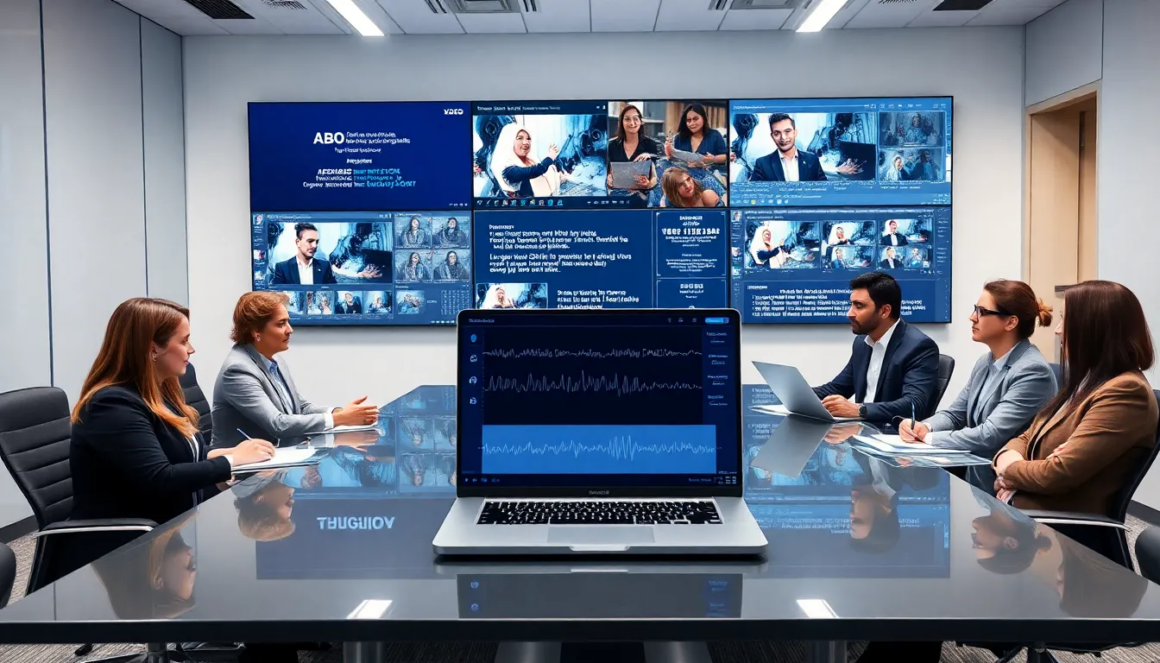
With more videos produced every day in dozens of languages, translating video content into English has become essential for businesses, educators, marketers, and creators who want to reach wider audiences. Modern video translator to English platforms use advanced speech recognition, machine translation, and neural voice synthesis to change spoken words, subtitles, or on-screen text from one language to English without losing the original intent or tone. This article breaks down how video translators operate, what features to look for, and how platforms like Vozo are meeting the demand for seamless, accurate English video translation.
Key Takeaways
-
A video translator to English enables global reach by converting video content from any language into accurate and natural-sounding English voices or subtitles.
-
Essential video translator features include advanced speech recognition, contextual translation, neural voice cloning, subtitle automation, and seamless lip-sync technology.
-
Platforms like Vozo combine AI video translation with human review for high accuracy, editable outputs, and secure processing of sensitive material.
-
Translating videos to English enhances engagement, discoverability, and accessibility, opening content to wider audiences across educational, marketing, and social platforms.
-
When choosing a video translator to English, consider workflow integration, scalability, support, accuracy testing, and pricing transparency to match your needs.
How Video Translators Work
A video translator to English is a platform or software that converts spoken or written content in a video from any language into English. The process generally involves several steps:
-
Speech Recognition and Transcription: The tool starts by scanning the audio track for spoken words. Using advanced speech-to-text algorithms, it transcribes the spoken language into written text in the original language.
-
Translation: Next, AI-powered translation engines convert this text into English. These systems use large language models trained on billions of examples, allowing for accurate translation that understands context, slang, idioms, and specialized terminology.
-
Voice Synthesis or Subtitles: The translated English text is then either displayed as subtitles or synthesized into speech using neural text-to-speech (TTS) technology. High-quality tools like Vozo offer lifelike voice cloning to match the original speaker’s energy and pacing, providing English dubbing that feels natural.
-
Lip-Sync and Timing Adjustments: Some advanced solutions, including Vozo, use AI to sync the newly generated English audio with the original video. This ensures mouth movements match the new language, making the translation look professional and authentic.
This end-to-end system lets organizations translate videos to English for marketing, learning, customer support, and social content at scale without manual effort.
Types of Video Translation Tools
Video translation tools generally fall into these categories:
Automated Video Translators
These AI-driven platforms do most of the work automatically. They can generate English subtitles, voiceover dubbing, or both. Vozo, for instance, provides cloud-based video translation with instant neural voice synthesis and subtitle creation, handling hundreds of language pairs.
Manual/Professional Services
Some companies or freelancers offer manual transcription, translation, and voice acting. This option provides a high level of accuracy for sensitive or creative content but is slower and has higher costs.
Hybrid Solutions
Hybrid tools combine automated translation with expert review. AI does the heavy lifting, and then human linguists check and tweak the results. Vozo’s platform supports this approach, allowing for human-in-the-loop quality control for critical projects.
Plugins and Integrations
Certain software add-ons (like subtitle generators or translation APIs) can be integrated into workflow tools, letting users add English translations directly within video editors or publishing platforms.
Key Features to Look For in Video Translators
Choosing a video translator to English means looking beyond simple word-for-word accuracy. Here are essential features to consider:
-
Accuracy and Contextual Awareness: The translator should reliably interpret slang, technical terms, and cultural references to avoid misunderstandings.
-
Voice Cloning and Neural TTS: Top platforms like Vozo replicate the tone, style, and pacing of the original speaker in English, not just using generic voices.
-
Automatic Subtitle Generation: Ideal translators offer auto subtitling synchronized perfectly with video frames, reducing manual editing time.
-
Lip-Sync Technology: Especially for on-camera speakers, this feature ensures mouth movements align with the new English audio track for natural-looking translation.
-
Multiple File Format Support: The tool should handle common formats like MP4, MOV, AVI, and export translated content for use on different social or educational platforms.
-
Editable Outputs: Ability to review, edit, and tweak translations, subtitles, and dubbing before finalizing, something Vozo enables with built-in editor tools.
-
Scalability and Speed: Batch processing and fast turnaround are important for businesses and creators handling large video collections.
-
Data Security: Ensure the platform uses secure protocols to protect sensitive footage and company data.
Benefits of Translating Videos to English
Translating video content to English offers content creators and businesses a direct route to a larger audience. English remains the language of international business, education, and most online media. Here are some clear advantages:
-
Increased Reach: Open viewers in global English-speaking markets across YouTube, TikTok, LinkedIn, e-learning platforms, or e-commerce sites.
-
Improved Engagement: Making content understandable in English often boosts view time, shares, and interaction because more viewers fully grasp the material.
-
Enhanced SEO and Discoverability: English captions, metadata, and transcripts help platforms index your videos, improving search rankings and visibility.
-
Accessibility: English subtitles or dubbing make content usable for the hard of hearing and for learners improving their language skills. Vozo’s AI video translator supports accessibility with fast, accurate English captions and voice.
-
Cost and Time Efficiency: Automating translation with solutions like Vozo drastically reduces the time and budget needed for manually rewriting, re-recording, or re-editing video content.
Challenges and Limitations of Video Translation
While AI video translators create impressive results, there are known challenges to keep in mind:
-
Nuances and Local Expressions: Automated tools may misinterpret jokes, cultural references, or idioms without human oversight. For marketing or entertainment, preference should be given to services that allow human review.
-
Voice Emotion and Tone: While neural TTS has improved, subtle emotions or unique speaker quirks don’t always transfer perfectly. Vozo’s advanced voice cloning narrows this gap but isn’t flawless.
-
Complex Layouts or On-Screen Text: Videos with lots of overlapping graphics, charts, or text might not translate seamlessly and could require manual adjustment.
-
Legal and Privacy Concerns: Handling private footage or sensitive company information means choosing tools with strong data protection policies.
-
Initial Setup or Learning Curve: Some platforms, especially feature-rich ones, may take a bit of time to learn. Vozo, though, offers a guided workflow for new users and clear documentation.
These obstacles are usually not deal-breakers, but they steer decisions on when to use a fully automated tool and when to add human checks.
Tips for Choosing the Right Video Translator
The best choice depends on your priorities, speed, cost, accuracy, or specific content needs. Here’s a checklist:
-
Define the Content’s Purpose: Is the video for sales, training, entertainment, or compliance? Sensitive topics benefit from extra human review.
-
Test Accuracy on Sample Clips: Before committing, check the tool’s results on your own footage. Vozo, for example, offers trial translations to showcase its AI voice and subtitle accuracy.
-
Look for Seamless Workflow Integration: If you edit and publish frequently, opt for a translator that fits with your current video workflows. Vozo’s API and editor plug-ins make integration easy.
-
Check Support and Documentation: Responsive support can help overcome early learning curves and technical hiccups.
-
Balance Speed and Quality: Automated translation is fast but, for critical projects, hybrid or manual editing options on platforms like Vozo offer quality assurance.
-
Pricing Transparency: Compare plans and options so you aren’t caught off guard by extra charges for longer videos, multiple outputs, or higher voice quality.
Frequently Asked Questions about Video Translator to English
What is a video translator to English and how does it work?
A video translator to English is a tool or platform that converts video content from another language into English. It typically uses speech recognition, AI-powered translation, and voice synthesis to transcribe, translate, and dub or subtitle the video while preserving original meaning and tone.
What are the main benefits of using a video translator to English?
Translating videos to English expands your audience, boosts engagement, enhances search visibility, and increases accessibility. English subtitles or dubbing make your content usable for global markets and those with hearing impairments, and automation reduces both cost and turnaround time.
Which features should I look for in a video translator to English?
Look for features such as contextual translation accuracy, neural voice cloning, automatic subtitle generation, lip-sync technology, support for multiple file formats, editable outputs, scalability, and strong data security. These ensure high-quality, user-friendly, and secure English video translations.
Can automated video translators handle cultural references or jokes?
Automated translators are improving, but they may struggle with local expressions, jokes, or nuanced content. For sensitive or creative videos, it’s recommended to use hybrid solutions combining AI and human editing to avoid misinterpretations and ensure cultural relevance.
How do I choose the best video translator to English for my needs?
Define your video’s purpose, test the tool on sample clips, check for workflow integration, compare pricing, and make sure there is responsive support. For critical or creative content, consider platforms offering hybrid or manual review capabilities alongside automation.
Is it safe to use video translator platforms for sensitive footage?
Most reputable video translator platforms, such as Vozo, use secure protocols and advanced data protection measures. It’s important to verify their privacy policies and choose services with transparent security features if handling confidential or sensitive video material.